

Buffer vs AI/ML API
Discover the key differences between Buffer and AI/ML API in 2026. Find out which marketing tool suits your needs best!

Buffer
Social media scheduling and management. Plan, schedule, and analyze content for all your social channels.
View Profile →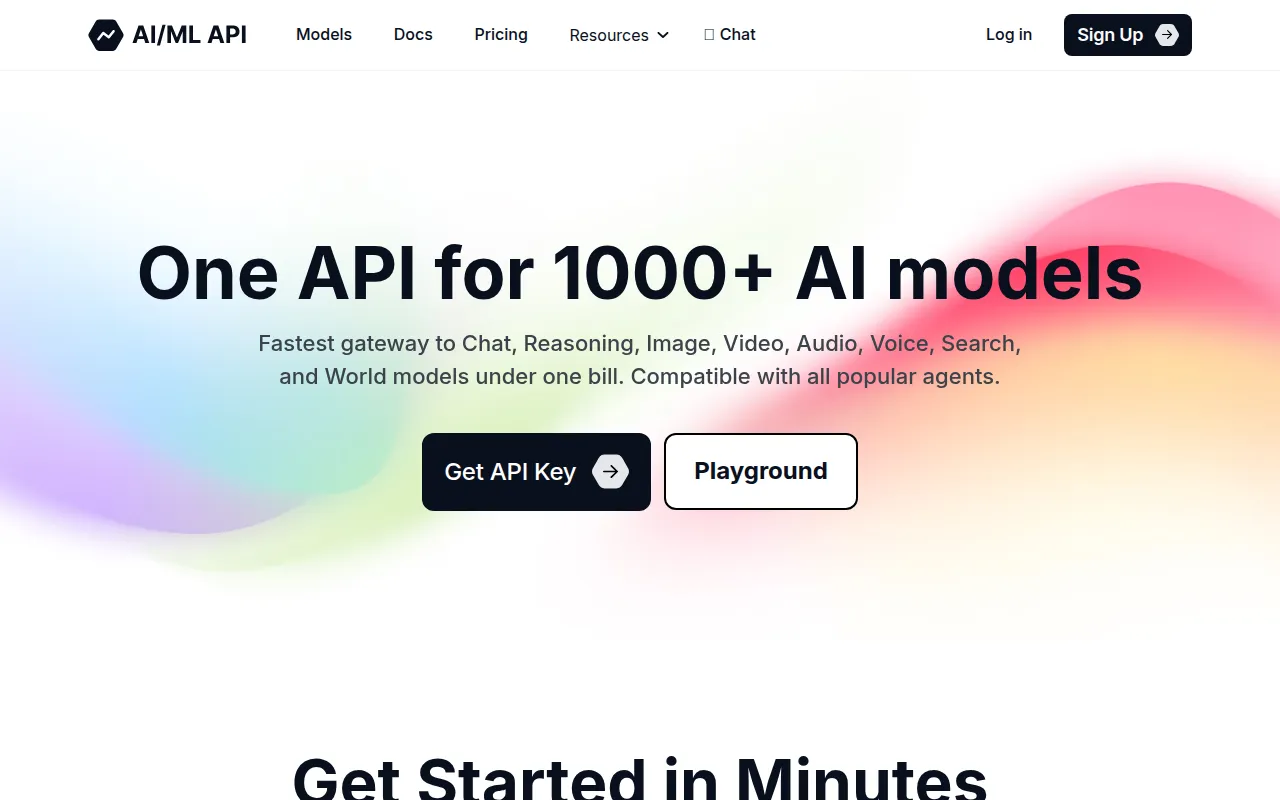

AI/ML API
AIML API provides access to over 500 AI models through a single API, designed for developers seeking versatile AI solutions.
View Profile →Overview
In the ever-evolving digital landscape, choosing the right tools to enhance productivity and effectiveness is crucial. This comparison focuses on Buffer, a social media scheduling and management tool, and AI/ML API, a versatile solution for developers seeking access to AI models. Both tools cater to different types of users—marketers and social media managers will find Buffer invaluable, while developers and tech-savvy individuals will benefit from the capabilities of the AIML API.
Buffer Overview
Buffer is a powerful social media scheduling and management tool designed primarily for marketers, businesses, and social media managers. It allows users to plan, schedule, and analyze their social media content across multiple platforms, including Facebook, Twitter, LinkedIn, and Instagram. By streamlining the posting process, Buffer helps users save time and maintain a consistent online presence. Its intuitive dashboard enables users to visualize their content calendar, making it easy to organize posts and ensure optimal timing for audience engagement.
One of Buffer's most notable strengths is its analytics capabilities. Users can track engagement metrics such as likes, shares, and comments, allowing them to evaluate the performance of their content effectively. This data-driven approach helps marketers make informed decisions about future content strategies. Buffer also offers a collaborative feature that allows teams to work together seamlessly, making it a practical choice for agencies and businesses with multiple team members managing social media accounts. Overall, Buffer empowers users to enhance their social media presence and achieve measurable results through strategic planning and analysis.
AI/ML API Overview
The AI/ML API is designed for developers who require access to a wide range of artificial intelligence models through a single, streamlined API. This tool allows developers to integrate advanced AI functionalities into their applications without needing to build models from scratch. With access to over 500 AI models, users can leverage capabilities such as natural language processing, image recognition, and predictive analytics, making it an invaluable resource for businesses looking to incorporate AI into their workflows.
One of the standout features of the AI/ML API is its pay-as-you-go pricing model, which provides flexibility for users depending on their usage needs. This model is particularly beneficial for startups and small businesses that may not have the budget for a large-scale AI implementation but still want to explore the possibilities of machine learning. Additionally, the API is designed to be user-friendly, with comprehensive documentation and support, making it accessible even to those who may not have extensive technical backgrounds. This versatility makes the AI/ML API a powerful tool for developers seeking to enhance their applications with cutting-edge AI technology.
Feature Comparison
| Feature | Buffer | AI/ML API |
|---|---|---|
| Core Functionality | Social media scheduling and management | Access to over 500 AI models |
| Target Users | Marketers, social media managers, businesses | Developers, tech-savvy users |
| Analytics | Detailed engagement metrics and performance tracking | Model performance tracking based on usage |
| Collaboration Features | Team collaboration tools for social media management | API integration for team projects |
| Ease of Use | User-friendly interface, easy scheduling | Comprehensive documentation and support |
| Customization | Content scheduling and posting customization | Customizable AI model selection based on needs |
| Pricing Model | Freemium and tiered subscription | Freemium with pay-as-you-go |
| Integration Capabilities | Integrates with multiple social media platforms | Integrates with various applications via API |
| Support | Email and live chat support | Extensive documentation, community forums |
| Mobile Access | Mobile app for on-the-go management | API can be accessed via mobile applications |
Pricing Comparison
Buffer offers a freemium model that allows users to manage up to three social media channels for free. For those looking for more advanced features, Buffer has two paid tiers: the Essentials plan at $6 per channel per month and the Team plan at $12 per channel per month. The Essentials plan includes features like scheduling, analytics, and basic collaboration tools, while the Team plan adds advanced collaboration capabilities, making it suitable for larger teams or agencies managing multiple accounts. Given the value it provides for social media management, Buffer is considered affordable for marketers, especially when compared to the time saved in managing posts and analyzing performance.
On the other hand, the AI/ML API follows a pay-as-you-go pricing structure, which can be advantageous for developers who need flexibility in their budgeting. The freemium model allows users to experiment with a limited number of AI calls, while the pricing escalates based on the specific models used and the volume of requests. This model is particularly appealing for startups and small businesses that may not have a consistent volume of AI usage but still want to leverage machine learning technologies. While the overall cost may vary significantly depending on usage, the API provides a cost-effective way for developers to access powerful AI capabilities without upfront investment in infrastructure.
Pros and Cons
Buffer Pros and Cons
- Pro: User-friendly interface that simplifies social media management
- Pro: Strong analytics capabilities that help track content performance
- Pro: Affordable pricing tiers that cater to different user needs
- Con: Limited features in the free plan compared to paid options
- Con: Can become expensive for larger teams with many channels
AI/ML API Pros and Cons
- Pro: Extensive access to over 500 AI models for diverse applications
- Pro: Pay-as-you-go pricing model that offers flexibility
- Pro: Comprehensive documentation that supports developers
- Con: Requires a certain level of technical knowledge to effectively use
- Con: Costs can escalate quickly if usage increases significantly
Which Should You Choose?
If you are a solo freelancer or small business owner focused on building your brand online, Buffer is the ideal choice for you. Its user-friendly interface allows you to manage multiple social media accounts effortlessly while providing valuable insights into your content performance. With affordable pricing options, Buffer makes it easy to scale your social media efforts as your business grows.
For developers or tech teams looking to integrate AI capabilities into their products, the AI/ML API is the way to go. Its vast library of AI models can cater to various needs, from natural language processing to image recognition. If you are working on projects that require sophisticated AI solutions, this tool will provide you with the flexibility and resources necessary to enhance your applications significantly.
If you are part of a marketing team within a larger organization, Buffer's collaborative features will be beneficial for managing multiple social media accounts while ensuring a cohesive strategy. On the other hand, if you are working on a project that demands continuous AI model adjustments or experimentation, the AIML API's pay-as-you-go pricing model allows you to control costs while benefiting from robust AI functionalities.
Conclusion
Ultimately, the choice between Buffer and the AI/ML API depends on your specific needs and objectives. For marketers seeking to streamline their social media efforts, Buffer offers a comprehensive solution with excellent support. Conversely, the AI/ML API is an exceptional tool for developers aiming to harness the power of AI without the burden of extensive infrastructure costs. Choose the tool that aligns best with your goals to maximize your productivity and effectiveness.
Frequently Asked Questions
It depends on your needs. Buffer excels in social media management and scheduling, making it ideal for marketers, while AI/ML API offers powerful AI model integration suited for developers and tech-savvy users.
Buffer offers tiered pricing plans based on the number of social accounts and features included, while AI/ML API pricing typically varies based on usage, such as API calls or model complexity.
Buffer is perfect for managing multiple social media accounts, scheduling posts, and analyzing engagement metrics. In contrast, AI/ML API is ideal for developers looking to integrate machine learning features into their applications, such as natural language processing or image recognition.
When migrating, consider your data compatibility, ease of transitioning workflows, and any unique features you may rely on. Buffer provides import tools for social media data, whereas AI/ML API may require additional coding for seamless integration.
Buffer offers a free plan with limited features, suitable for individuals or small businesses starting out, while many AI/ML APIs may provide free tiers with usage limits or trial periods, allowing developers to explore capabilities before committing.
If you’re undecided, consider your primary goals. For social media management and engagement analysis, Buffer is the better choice. If you need to leverage AI capabilities for your development projects, then AI/ML API would be more beneficial.