

Consile
Freemium
Consile is an all-in-one team operations platform that integrates tasks, attendance, leave, and HR functions in a secure workspace.
Rezonant transforms product vision into actionable tasks, ensuring seamless collaboration from concept to delivery.
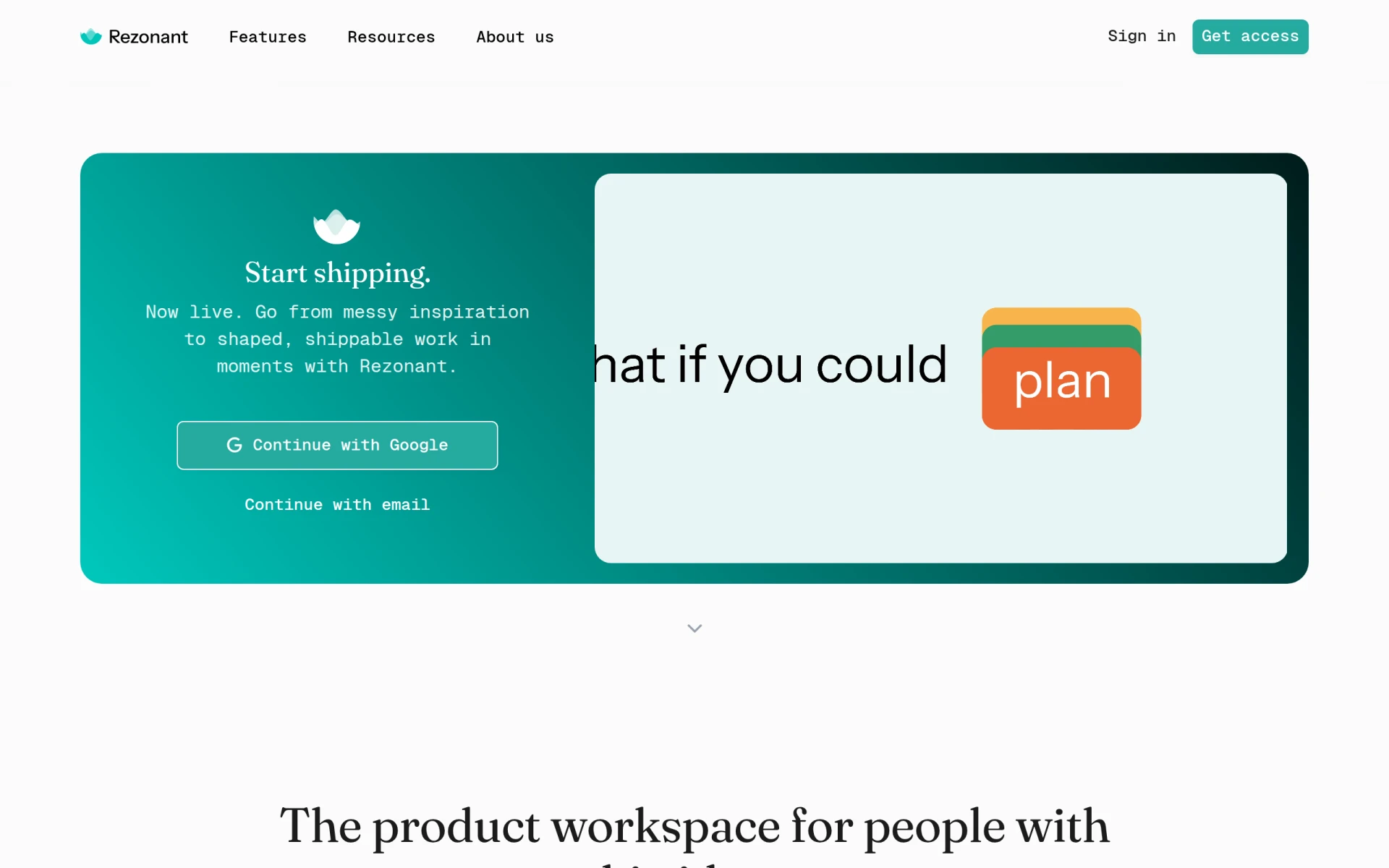
Rezonant is a productivity tool designed specifically for project management within engineering and product development teams. It effectively captures product vision and translates it into actionable tasks that can be managed and executed by various team members. The primary purpose of Rezonant is to streamline the process from initial concept to finished product, solving the challenges of disorganized workflows and fragmented communication often faced in product development environments.
By integrating with existing tools and platforms, Rezonant ensures that product ideas evolve into well-defined tasks and deliverables, facilitating better organization and alignment among team members.
Rezonant provides significant advantages for product teams by enhancing clarity in project objectives and requirements. By transforming abstract ideas into concrete tasks, teams can prioritize effectively and allocate resources efficiently. The integration capabilities with popular project management and documentation tools enable teams to maintain consistency and coherence across their workflows, reducing the time spent on administrative tasks. Additionally, the platform fosters collaboration, allowing team members to contribute ideas and feedback in real-time, which can lead to higher quality outputs.
Rezonant is particularly useful in scenarios where product teams are developing new features or managing complex projects. For example, a software development team may use Rezonant to capture initial product ideas during brainstorming sessions and then create tasks for development and testing based on these ideas. Marketing teams can also benefit by aligning their campaigns with product releases, ensuring that promotional efforts are synchronized with development timelines. Furthermore, teams transitioning from a traditional project management tool to a more integrated solution will find Rezonant's capabilities valuable in easing the shift.
Rezonant is ideal for product managers, software developers, and project leads who are looking for a way to translate product ideas into actionable tasks. It suits teams in tech startups, product development companies, and any organization that requires a structured approach to managing product workflows. However, it may not be the best fit for small teams that do not require extensive project management features or for organizations that prefer standalone tools without extensive integrations.
Pricing information for Rezonant is not publicly available on the website. Interested users may need to contact the company directly for specific pricing plans and options.
Rezonant stands out as a robust tool for managing product development workflows, providing clear solutions to common project management challenges. While it offers strong features and integrations that can facilitate collaboration and efficiency, potential users should consider their specific needs and the pricing structure before fully committing. Overall, Rezonant is a valuable asset for teams looking to enhance their product development processes and align their efforts towards shared goals.
Consile is an all-in-one team operations platform that integrates tasks, attendance, leave, and HR functions in a secure workspace.
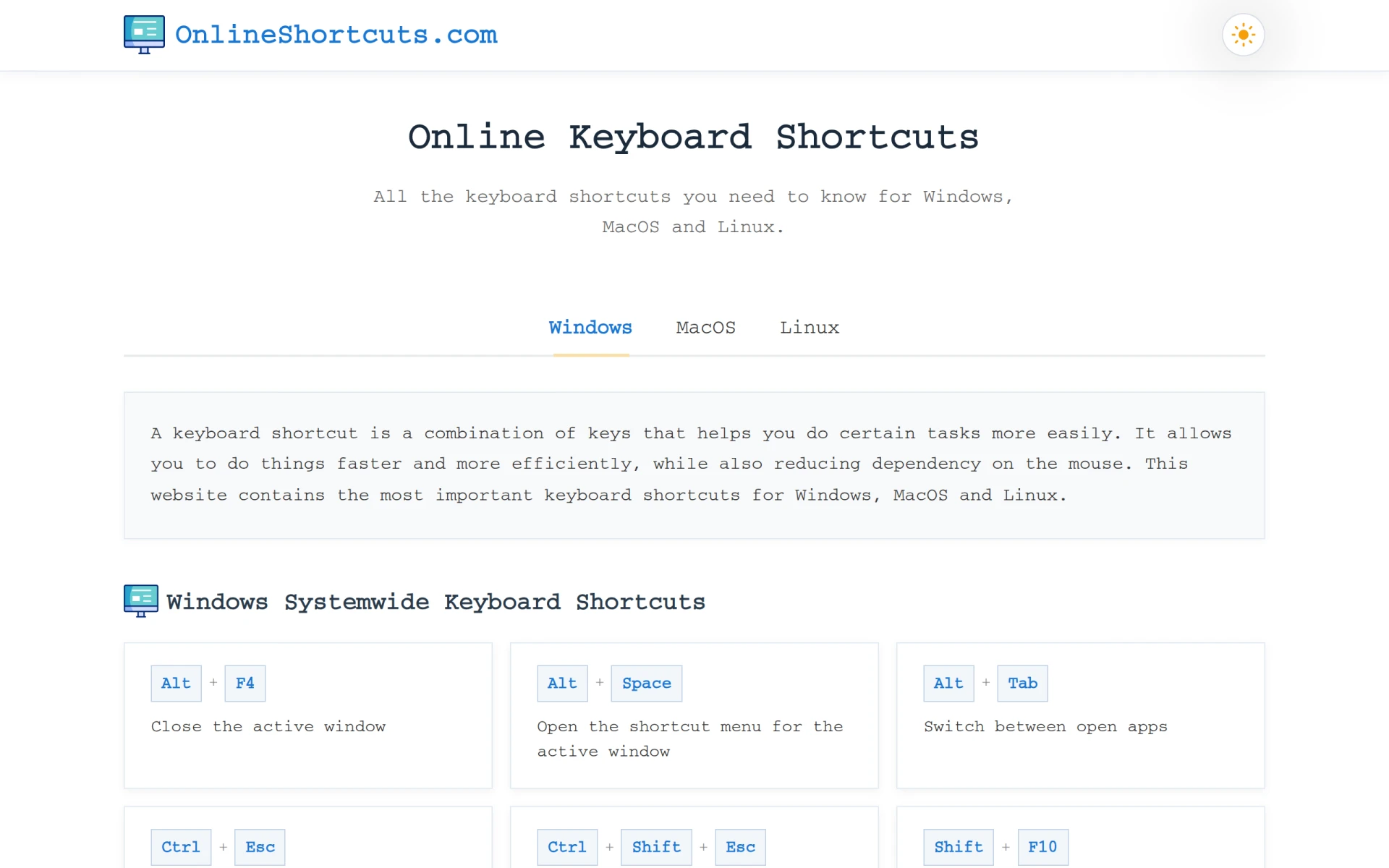
A comprehensive guide to keyboard shortcuts for Windows, MacOS, and Linux, enhancing productivity and workflow efficiency.
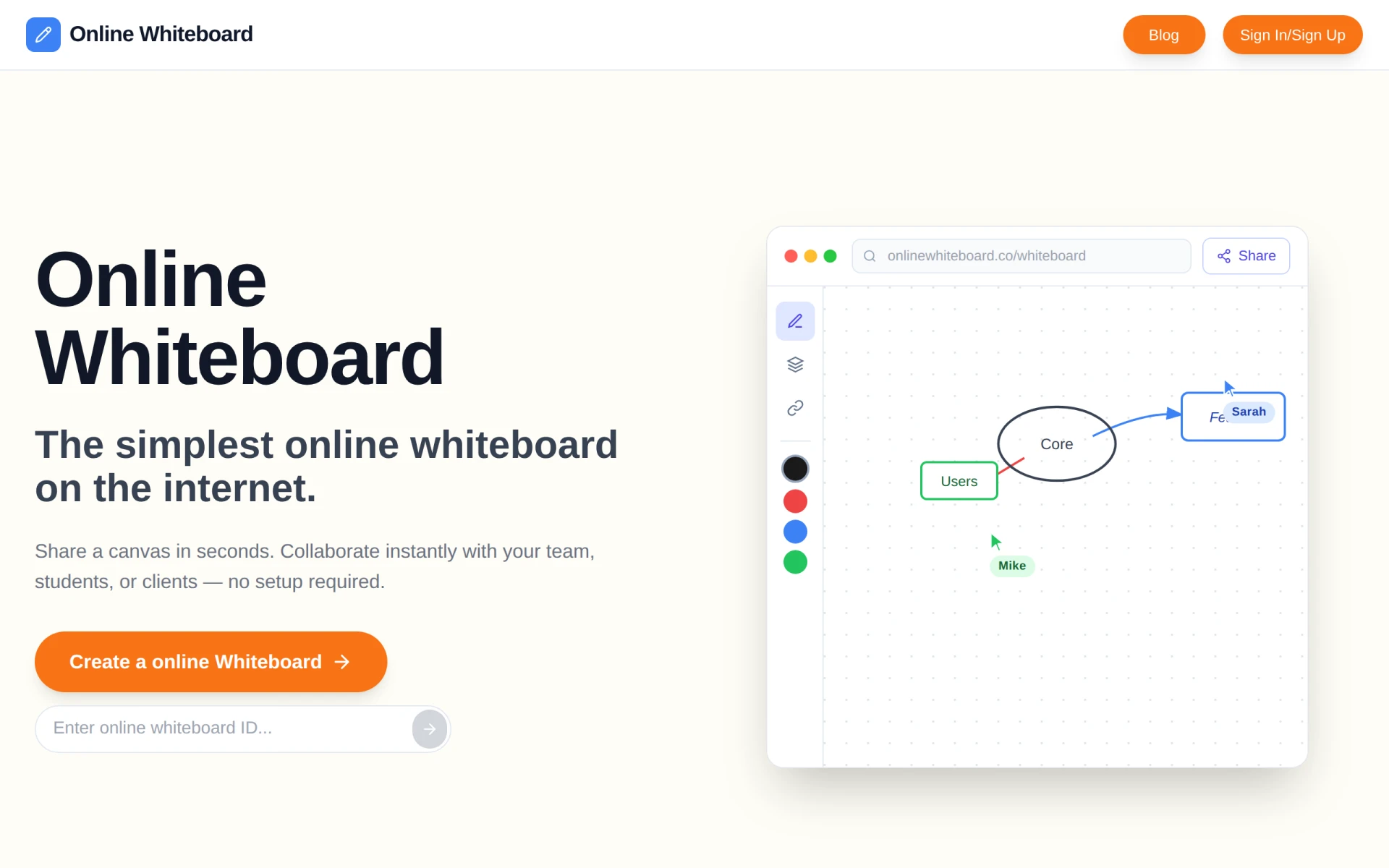
Online Whiteboard is a free collaborative tool for brainstorming and visualizing ideas in real-time with teams.
Audioread converts text from articles, PDFs, and emails into natural-sounding audio for easy listening.
Ayfie is a personal assistant software that helps users manage tasks and improve productivity through intelligent automation.
AIApply is a job application tool that helps users create tailored resumes, cover letters, and auto-apply for jobs quickly.
Ultimate Guide to SaaS Tools for Remote Teams
For remote teams seeking effective collaboration and project management solutions.
AI Tools for Project Management Professionals
For project managers seeking to improve collaboration and streamline project workflows.
Top Productivity Tools for Freelance Videographers
For freelance videographers managing multiple projects and client communications efficiently.
Best Productivity Tools for Marketing Freelancers
For freelance marketers juggling multiple clients and seeking to enhance project management.
Weekly roundup of new AI tools, launches, and trending software. No spam — unsubscribe anytime.
No credit card required · Cancel anytime
Weekly roundup of new AI tools, launches, and trending software. No spam — unsubscribe anytime.
No credit card required · Cancel anytime