
taatoo
Freemium
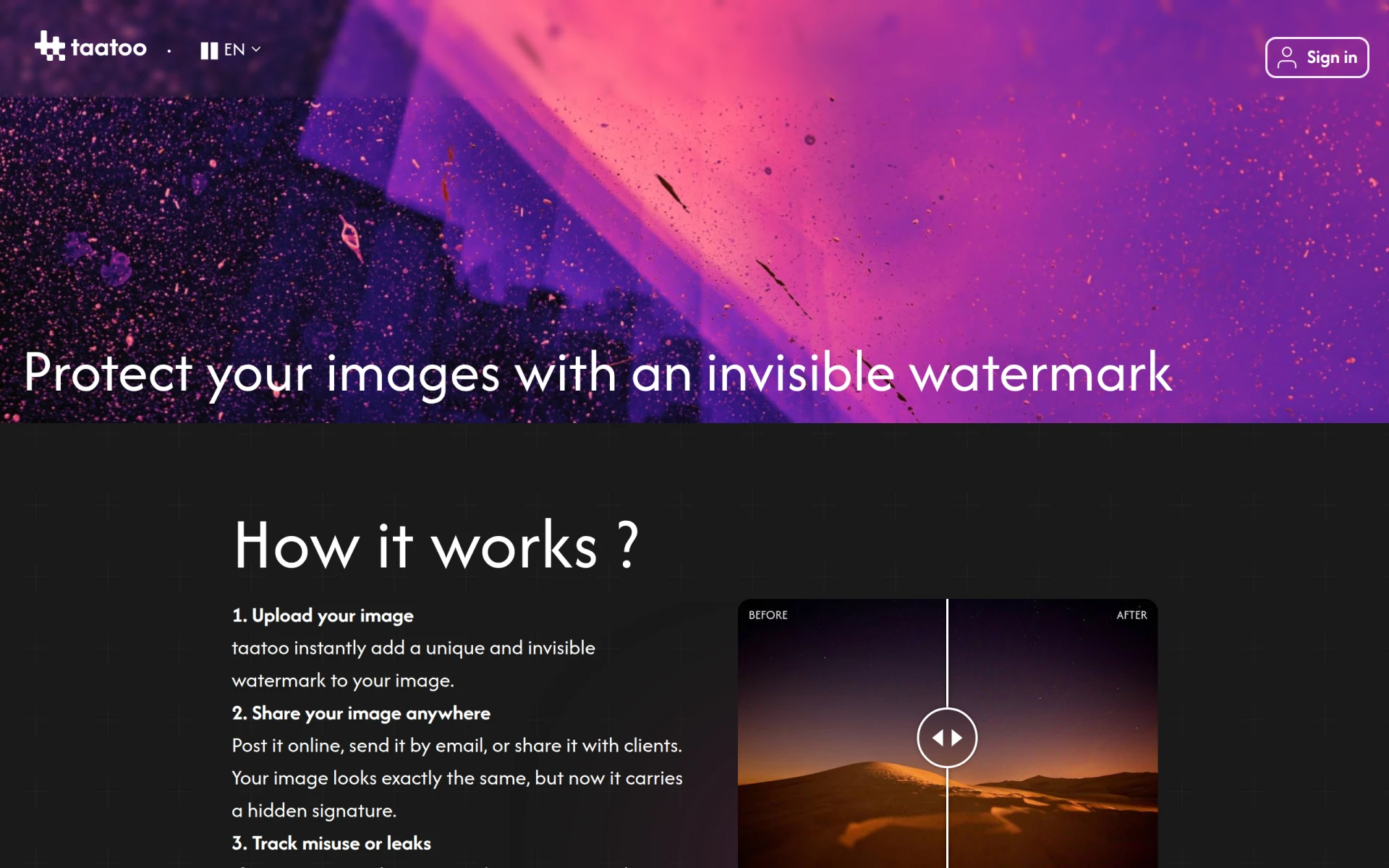
TaaToo offers invisible watermarking solutions to protect images and identify leaks effectively.
 S
S
Seal Security provides an AppSec Remediation Agent that delivers production-ready fixes for open source vulnerabilities, enhancing application safety.
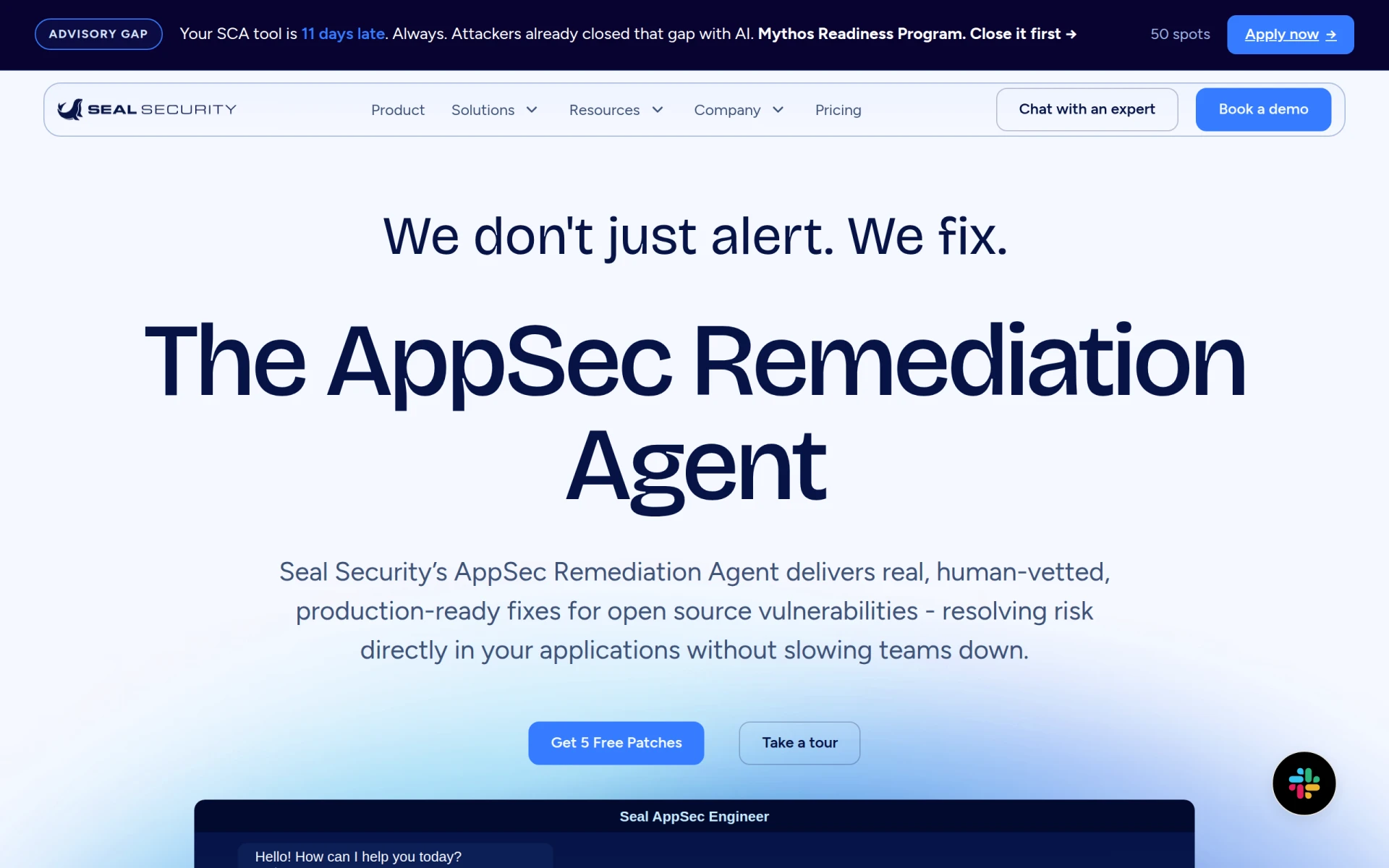
Seal Security is a specialized software tool designed to address open source vulnerabilities in software development. Its primary purpose is to provide real, human-vetted fixes for security issues that arise from third-party libraries and frameworks. By delivering production-ready patches, Seal Security helps organizations mitigate risks associated with open source components without disrupting their development processes.
The software tackles the problem of delayed responses to security vulnerabilities, which can leave applications open to exploitation. Traditional Software Composition Analysis (SCA) tools often fall short in providing timely and effective patch solutions, leaving a significant advisory gap. Seal Security aims to close this gap by delivering immediate resolutions for Common Vulnerabilities and Exposures (CVEs) and thereby enhancing the overall security posture of applications.
The practical advantages of using Seal Security include accelerated vulnerability remediation, which allows development teams to focus on innovation rather than being bogged down by security issues. By providing immediate and effective patching solutions, Seal Security reduces the risk of security breaches, ultimately saving organizations time and resources. Moreover, the tool helps teams achieve audit-ready status faster, facilitating compliance with industry regulations and security best practices. The human-vetted aspect of the patches ensures that the fixes are reliable and tested, minimizing potential disruptions to the software environment.
Seal Security is particularly beneficial in scenarios where teams are heavily reliant on open source libraries and need to manage multiple dependencies. For instance, a software development company that frequently updates its applications can use Seal Security to quickly address vulnerabilities without having to halt their development cycles. Another example could be a financial institution that needs to ensure the security of its applications to comply with strict regulatory requirements. In both cases, Seal Security streamlines the patching process, enhances security, and supports continuous development.
Seal Security is ideal for software development teams, security engineers, and IT professionals who work with open source technologies and require efficient vulnerability management. Organizations in sectors such as finance, healthcare, and technology, where security is paramount, will find this tool particularly useful. However, it may not be the best fit for small businesses or teams with limited reliance on open source components, as they may not have the same level of risk exposure.
Pricing information is not explicitly available on the Seal Security website. Prospective users are encouraged to contact Seal Security for a customized pricing plan that meets their specific needs.
In summary, Seal Security offers a robust solution for managing open source vulnerabilities through its AppSec Remediation Agent. Its focus on delivering immediate, human-vetted patches addresses significant security gaps in traditional approaches. While it is particularly well-suited for organizations with extensive use of third-party libraries, potential users should consider their specific needs and the associated risks before integrating it into their security strategy.
TaaToo offers invisible watermarking solutions to protect images and identify leaks effectively.
Intezer offers AI-driven SOC solutions that ensure every alert is investigated at forensic depth, enhancing security for enterprises.
Akku is a comprehensive identity access management platform designed for enterprises to enhance security and streamline user access.
Superagent is an AI-driven security tool that identifies, patches, and discloses vulnerabilities in software quickly and effectively.
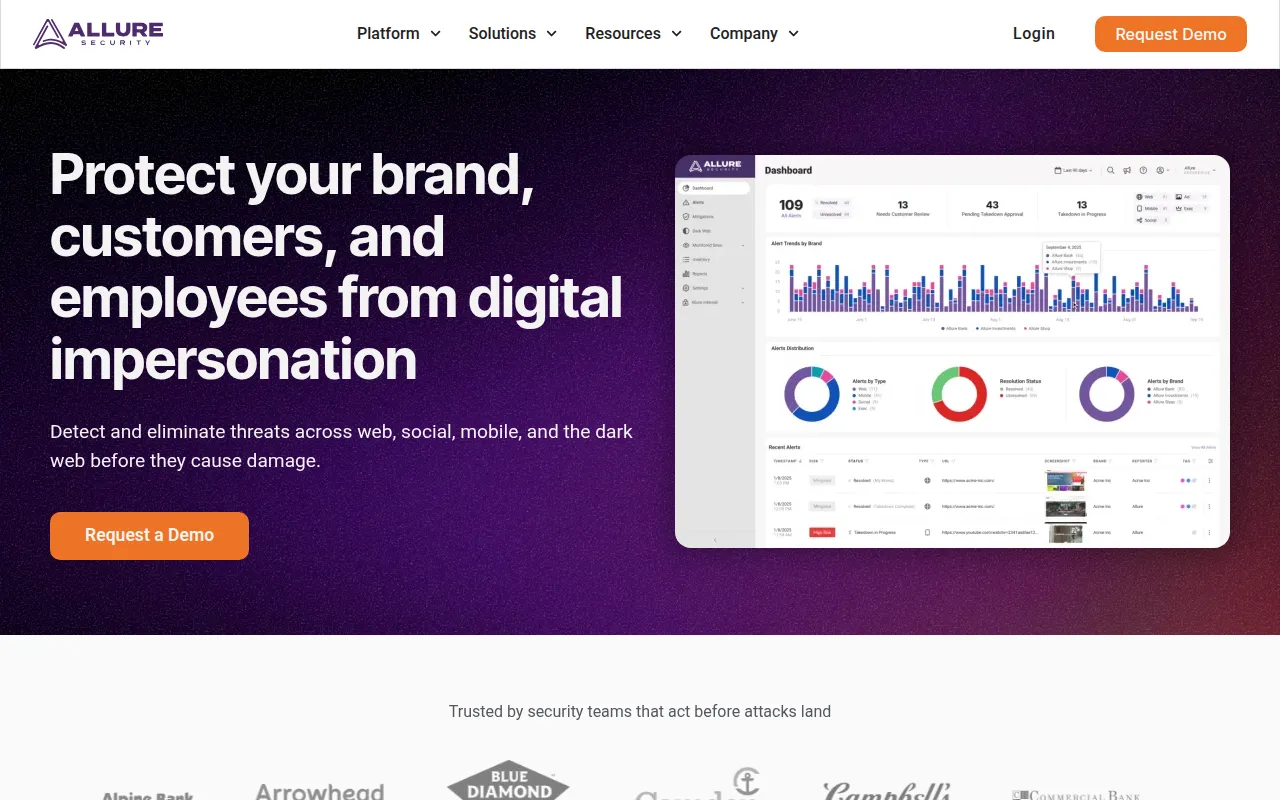
Allure Security Technology provides AI-powered brand protection against phishing and digital impersonation threats.
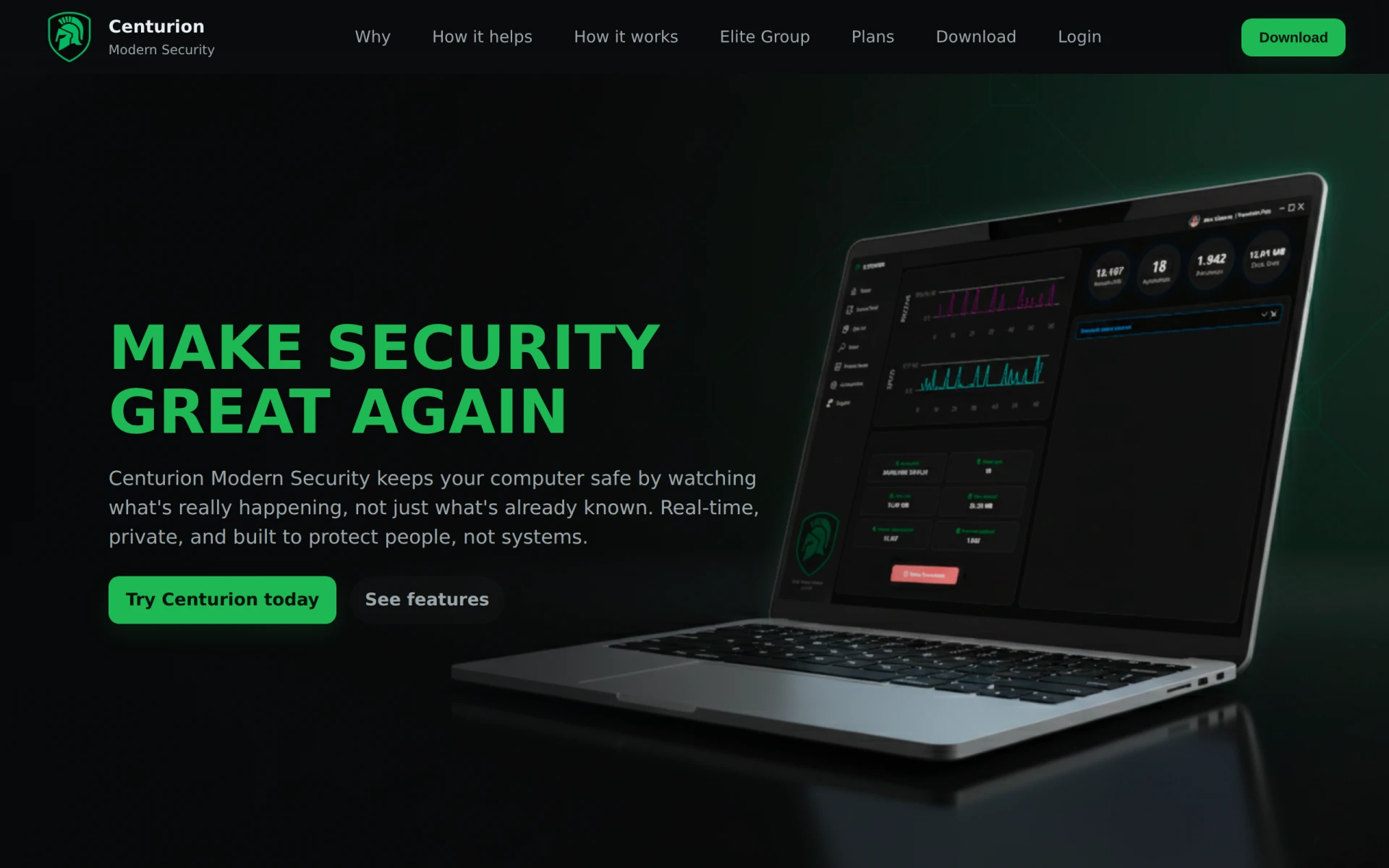
Centurion offers real-time, local-first cybersecurity protection against hacks, focusing on behavioral analysis.
Weekly roundup of new AI tools, launches, and trending software. No spam — unsubscribe anytime.
No credit card required · Cancel anytime
Weekly roundup of new AI tools, launches, and trending software. No spam — unsubscribe anytime.
No credit card required · Cancel anytime