Mailchimp
Freemium
The leading email marketing platform. Create, send, and analyze email campaigns with powerful automation.
Marketing analysts often struggle to make data-driven decisions. Discover the best tools to analyze market trends effectively.
As a marketing analyst, the pressure to make informed, data-driven decisions can be overwhelming. With a plethora of data at your fingertips, transforming raw numbers into actionable insights is critical for your success. Yet, many marketing teams find themselves struggling to analyze market trends effectively, often leading to missed opportunities and ineffective strategies.
The world of marketing is rapidly evolving, and the sheer volume of data can be daunting. Marketing analysts often face challenges such as data silos, lack of integration between tools, and insufficient analytics capabilities. For instance, a marketing analyst might have access to CRM data, social media metrics, and website analytics, but if these data sources are not effectively integrated, drawing meaningful insights becomes nearly impossible.
Moreover, not all tools provide the necessary features to analyze data comprehensively. Analysts may find themselves spending more time on data collection rather than interpretation, leading to a reactive rather than proactive approach. This gap in their ability to harness data effectively can result in missed campaigns or unoptimized marketing spend.
Mailchimp stands out as the leading email marketing platform, especially for marketing teams looking to streamline their email campaigns. Its powerful automation features allow marketing analysts to create, send, and analyze email campaigns effortlessly. With user-friendly segmentation options, teams can target specific demographics effectively, ensuring that the right messages reach the right audience.
Additionally, Mailchimp provides in-depth analytics that help teams assess the performance of their campaigns. The integration of A/B testing capabilities allows marketers to optimize their content continuously, making data-driven decisions that enhance engagement and conversion rates.
Pricing: Freemium - Free up to 500 contacts. Essentials from $13/mo, Standard from $20/mo. Best for: Marketing teams looking to optimize email marketing efforts.
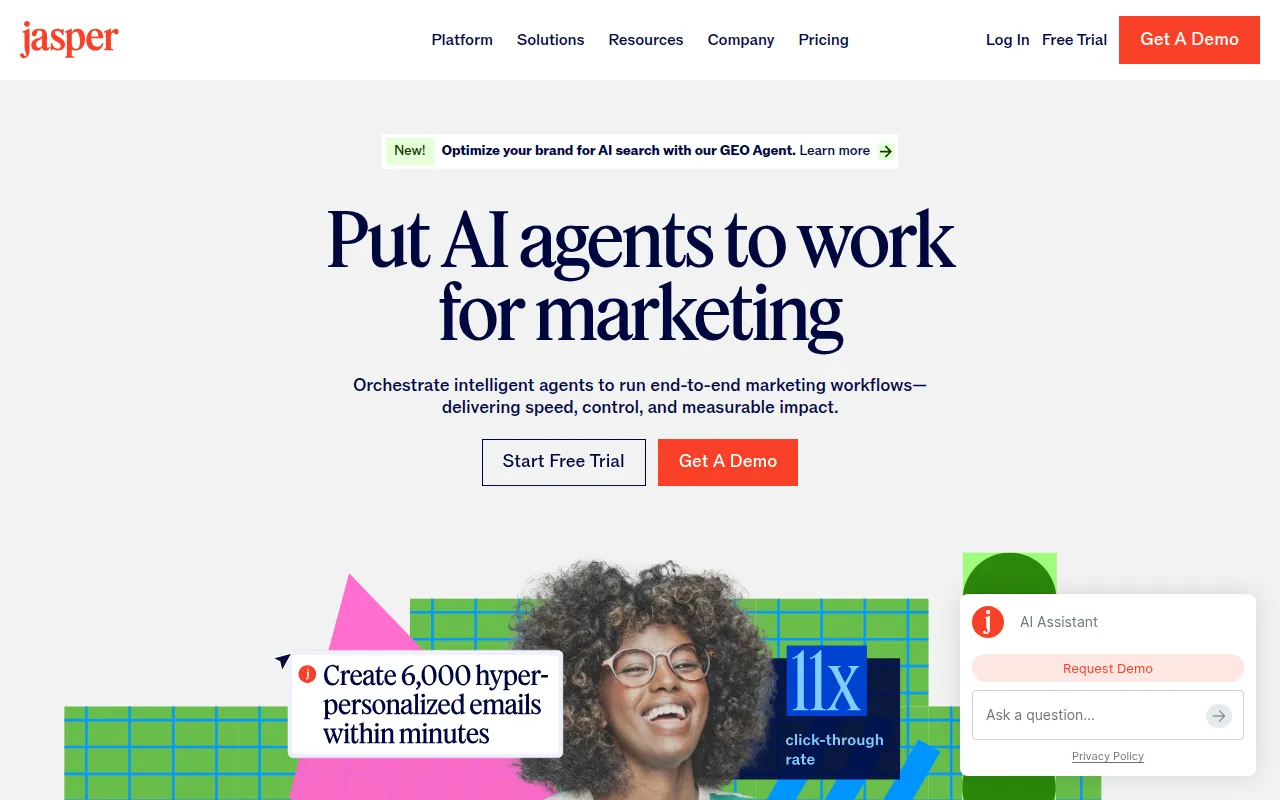
Jasper AI is a game-changer for marketing teams that need to generate content quickly and efficiently. This AI content platform allows teams to produce blog posts, ad copy, and social media content at an accelerated pace, significantly reducing the time spent on content creation. Its Brand Voice AI feature ensures that generated content aligns with the brand’s tone and style.
With over 50 customizable templates, Jasper makes it easy for marketing analysts to create diverse content types, whether they need a catchy ad or an informative article. The SEO mode also ensures that content is optimized for search engines, driving organic traffic and improving visibility.
Pricing: Paid - Creator $49/mo, Teams $125/mo (3 seats), Business custom pricing. Best for: Teams needing rapid content generation and collaboration.
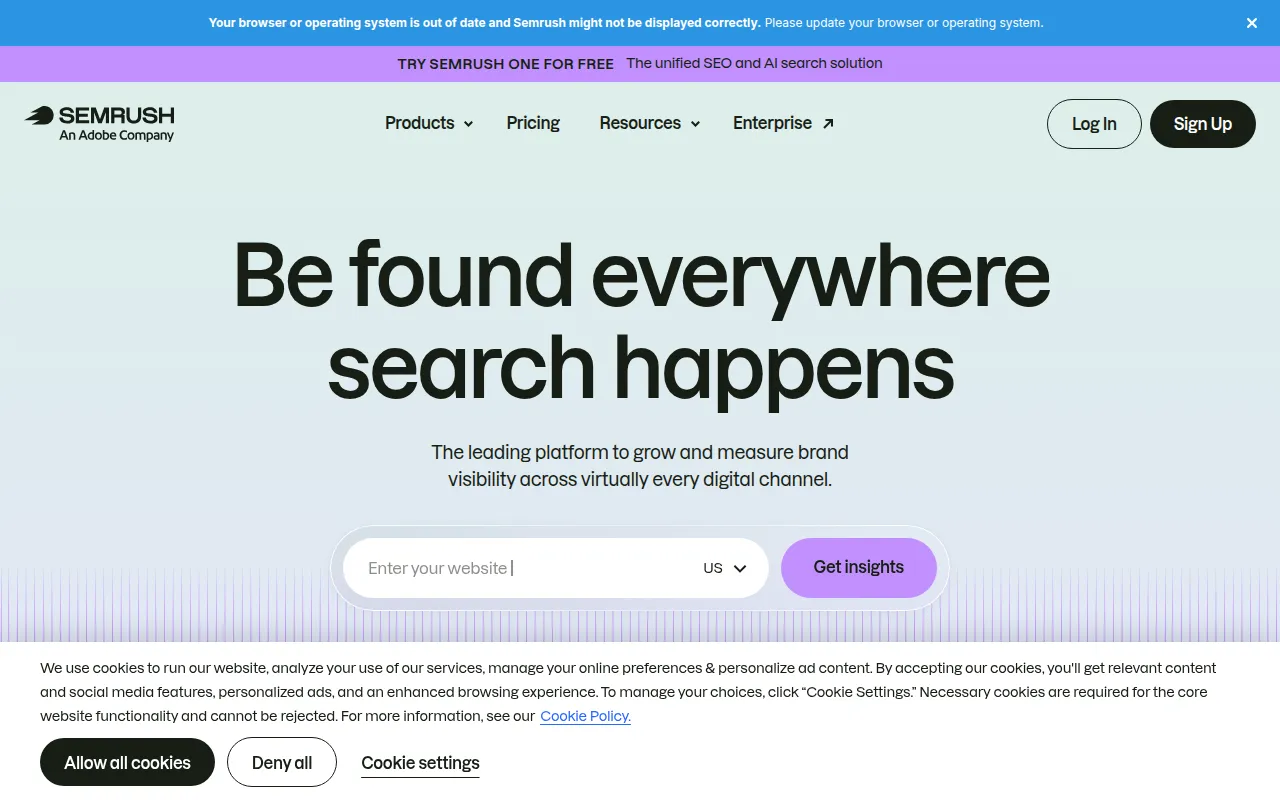
Semrush is an all-in-one digital marketing suite that provides marketing analysts with essential tools for keyword research, competitor analysis, and PPC campaigns. Its comprehensive features allow teams to analyze market trends and benchmark performance against competitors effectively. With Semrush, marketing analysts can uncover valuable insights that inform strategic decisions.
The platform's keyword research tools enable teams to identify high-value keywords that can drive traffic and conversions. Additionally, its social media tools allow for effective content management and performance tracking across various channels, providing a complete view of marketing efforts.
Pricing: Paid - Pro $119.95/mo, Guru $229.95/mo, Business $449.95/mo. Best for: Marketing teams focused on improving SEO and competitive positioning.
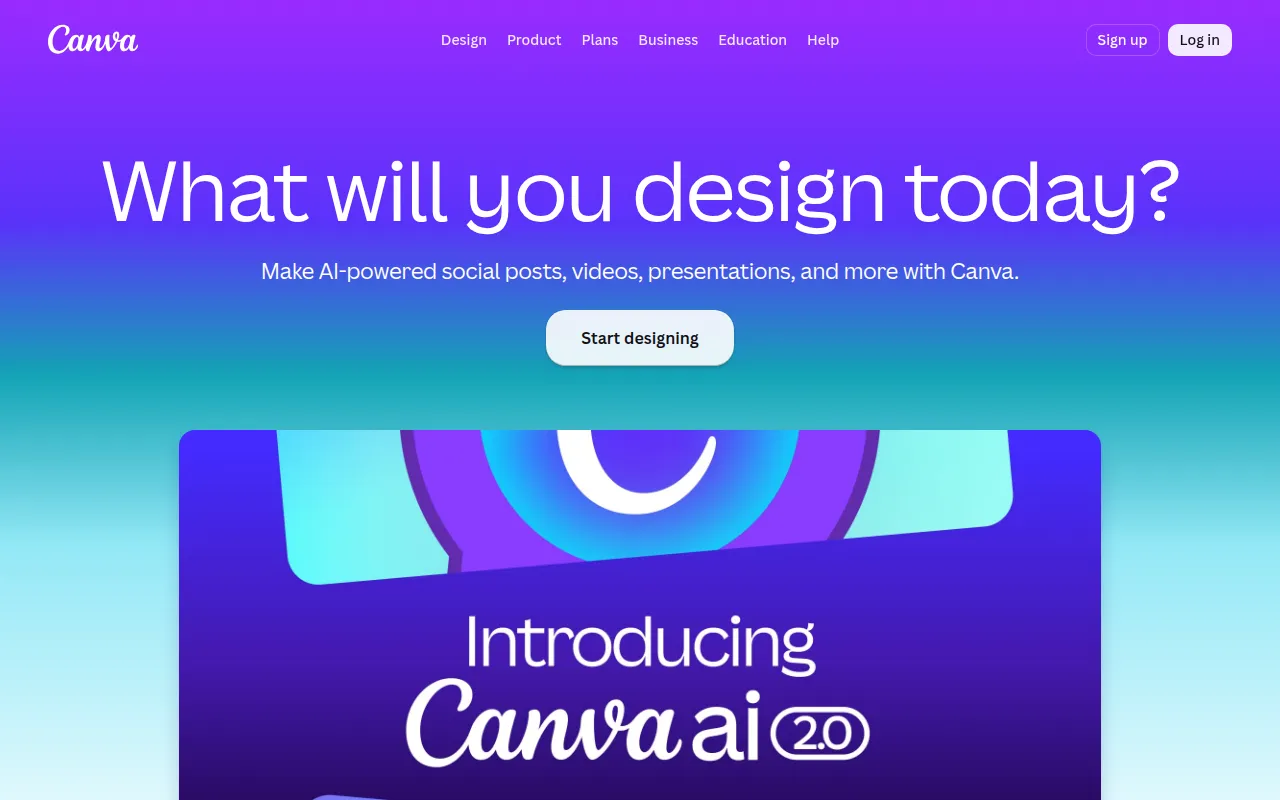
Canva is an intuitive graphic design platform that allows marketing teams to create visually appealing designs without needing extensive design skills. With over 10,000 templates, teams can produce stunning visuals for social media, presentations, and marketing materials effortlessly. This accessibility empowers marketing analysts to create engaging content that captures audience attention.
Canva's AI Magic Design feature streamlines the design process, generating design layouts based on user input. This feature, combined with a robust video editor, ensures that marketing teams can create diverse content types, enhancing their marketing strategies.
Pricing: Freemium - Free forever plan. Canva Pro at $15/month per person. Best for: Teams needing a simple solution for graphic design.
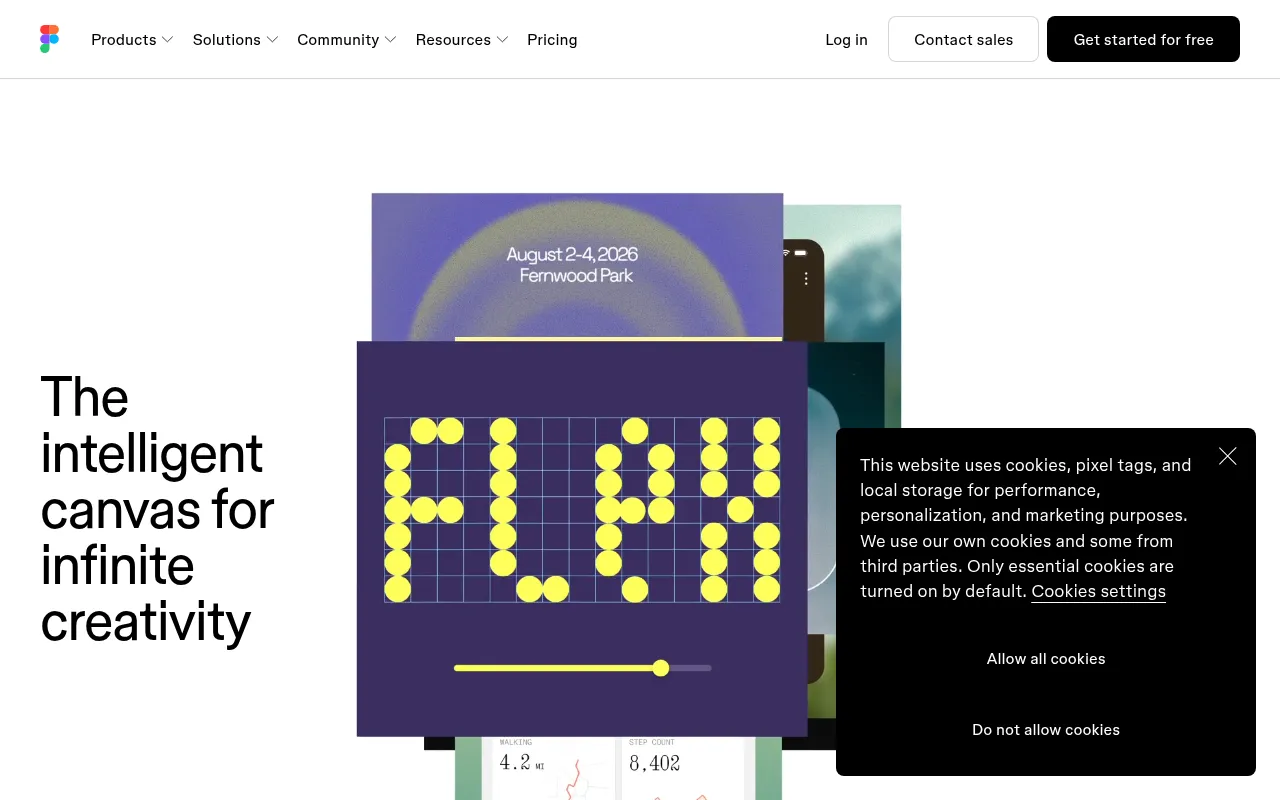
Figma is the go-to collaborative design tool for marketing teams focused on UI/UX design. Its real-time collaboration capabilities allow multiple team members to work together seamlessly, making it easier to share ideas and iterate on design projects. This is especially beneficial for marketing analysts who need to visualize customer journeys and user experiences.
Figma’s component libraries and prototyping features enable teams to create interactive designs that can be tested and refined quickly. This flexibility is essential for marketing teams looking to optimize their digital assets based on user feedback.
Pricing: Freemium - Free for 3 projects. Professional $15/editor/mo, Organization $45/editor/mo. Best for: Teams focused on collaborative design processes.
Notion serves as an all-in-one workspace that integrates notes, tasks, wikis, and databases, making it an ideal tool for marketing teams. Its flexibility allows marketing analysts to organize their workflows efficiently, track project progress, and collaborate with team members seamlessly. This structured approach enhances the team's ability to stay aligned and focused on key performance metrics.
The inclusion of Notion AI further elevates its capabilities, allowing teams to automate mundane tasks and generate content as needed. This feature can significantly reduce the time spent on administrative tasks, enabling marketing analysts to concentrate on data analysis and strategy.
Pricing: Freemium - Free for personal use. Plus plan $10/month, Team plan $15/user/month. Best for: Marketing teams needing a comprehensive project management tool.
Google Analytics is a powerful and free web analytics tool that allows marketing analysts to track website traffic, user behavior, and conversions. Its extensive features enable teams to monitor marketing performance and gain insights into how users interact with their content. This is crucial for optimizing marketing strategies and improving overall performance.
The ability to set up event tracking and conversion goals allows analysts to measure the success of specific campaigns and make data-driven decisions. Furthermore, its integration with Google Ads makes it easier to manage and analyze paid advertising efforts alongside organic traffic data.
Pricing: Free - Completely free. Google Analytics 360 available for enterprise. Best for: Teams needing comprehensive web analytics.
Buffer is an essential tool for marketing teams looking to streamline their social media scheduling and management. Its user-friendly interface allows teams to plan, schedule, and analyze content across multiple social channels easily. This can save time and enhance the effectiveness of social media campaigns.
With Buffer's analytics features, marketing analysts can track the performance of their posts, enabling data-driven decisions about content strategy. The inclusion of AI captions also helps teams generate engaging content that resonates with their audience.
Pricing: Freemium - Free for 3 channels. Essentials $6/channel/mo, Team $12/channel/mo. Best for: Teams looking to optimize social media management and engagement.
Ahrefs is renowned for being one of the most comprehensive SEO toolsets available, making it invaluable for marketing analysts focused on driving organic traffic. Its extensive features include keyword research, backlink analysis, and site audits, providing teams with the insights they need to enhance their SEO strategies.
The ability to conduct thorough competitor research helps analysts identify gaps in their own strategies and uncover opportunities for growth. Ahrefs' rank tracking and content explorer features further empower teams to optimize their content for better search visibility.
Pricing: Paid - Lite $99/mo, Standard $199/mo, Advanced $399/mo. Best for: Teams needing advanced SEO insights and competitive analysis tools.
ChatGPT is a powerful AI chatbot by OpenAI that can assist marketing analysts in generating content, coding, and automating various tasks. Its capabilities allow teams to streamline their workflows and enhance their productivity. By generating ideas for content, ChatGPT enables analysts to focus on strategy while the AI handles routine tasks.
Moreover, the access to GPT-4 and various plugins empowers teams to tailor the AI's functionality to meet their specific needs, making it a versatile tool in any marketing analyst's toolkit.
Pricing: Freemium - Free tier available. ChatGPT Plus at $20/month unlocks GPT-4. Best for: Teams looking to automate content creation and other repetitive tasks.
| Tool | Best For | Starting Price | Rating |
|---|---|---|---|
| Mailchimp | Email Marketing Automation | Free / $13/mo | 4.4/5 |
| Jasper AI | Content Generation | $49/mo | 4.5/5 |
| Semrush | SEO and Competitive Analysis | $119.95/mo | 4.6/5 |
| Canva | Graphic Design | Free / $15/mo | 4.9/5 |
| Figma | UI/UX Design Collaboration | Free / $15/editor/mo | 4.8/5 |
| Notion | Project Management and Collaboration | Free / $10/mo | 4.6/5 |
| Google Analytics | Web Analytics | Free | 4.5/5 |
| Buffer | Social Media Management | Free / $6/channel/mo | 4.4/5 |
| Ahrefs | Comprehensive SEO Insights | $99/mo | 4.7/5 |
| ChatGPT | Content Assistance and Automation | Free / $20/mo | 4.8/5 |
For beginners, Mailchimp is an excellent choice due to its freemium model and user-friendly interface. It allows marketing analysts to dive into email marketing without upfront costs and offers intuitive tools that make campaign creation straightforward.
For professionals, Semrush offers a wealth of advanced features that cater to experienced marketing analysts. Its capabilities in keyword research, competitor analysis, and SEO optimization provide professionals with the tools needed to drive significant results.
Google Analytics stands out as the best value pick since it is completely free while offering powerful web analytics capabilities. Its comprehensive features enable marketing teams to make informed decisions without any financial investment, maximizing ROI.
In the competitive landscape of marketing, choosing the right business intelligence tools can empower marketing analysts to make data-driven decisions confidently. Equip your team with the best tools, and watch your marketing strategies flourish.
The leading email marketing platform. Create, send, and analyze email campaigns with powerful automation.
AI content platform for marketing teams. Generate blog posts, ad copy, and social media content 5x faster.
Complete SEO and digital marketing suite for keyword research, competitor analysis, PPC, and content marketing.
The easiest graphic design platform. Create stunning designs for social media, presentations, and marketing materials.
The collaborative design tool for teams. Design, prototype, and collaborate on UI/UX in real-time.
All-in-one workspace for notes, tasks, wikis, and databases. The best tool for personal productivity and team collaboration.
Free and powerful web analytics. Track website traffic, user behavior, conversions, and marketing performance.
Social media scheduling and management. Plan, schedule, and analyze content for all your social channels.
The most comprehensive SEO toolset for keyword research, backlink analysis, site audit, and competitor research.
The most popular AI chatbot by OpenAI. Generate content, code, and automate tasks with GPT-4.
In 2026, top tools for marketing analysts include Mailchimp for email marketing, Semrush for SEO, and Google Analytics for web analytics. These tools offer comprehensive features to help teams analyze trends and performance.
Consider factors such as integration capabilities, user-friendliness, real-time analytics, custom reporting options, and collaboration features to find the best fit for your team's needs.
Yes, tools like Google Analytics and Mailchimp offer free tiers that allow marketing analysts to utilize essential features without any cost, making them great starting points.
Pricing varies widely; for example, Mailchimp starts free for up to 500 contacts, while Semrush pricing begins at $119.95/month. Evaluate your budget and needs before selecting a tool.
Yes, tools like Buffer and Canva are specifically designed for social media management, allowing teams to schedule posts, analyze performance, and create engaging visuals.
Prioritize integration capabilities, ease of use, analytics features, and collaboration options to ensure the tool supports your marketing goals effectively.
Jasper AI is highly recommended for content creation due to its ability to generate various types of content quickly while maintaining brand voice.
Weekly roundup of new AI tools, launches, and trending software. No spam — unsubscribe anytime.
No credit card required · Cancel anytime
Weekly roundup of new AI tools, launches, and trending software. No spam — unsubscribe anytime.
No credit card required · Cancel anytime