Introduction
E-commerce managers face a daunting challenge as they strive to elevate their product pages in search engine rankings. With fierce competition and ever-changing algorithms, increasing organic traffic can feel like an uphill battle. The right SEO tools can make all the difference in overcoming these hurdles and achieving visibility.
Why E-commerce Managers Struggle With Difficulty ranking for competitive keywords
E-commerce businesses often grapple with ranking for competitive keywords due to the saturated market. For instance, a newly launched online clothing store may find it hard to compete against established giants like Amazon or Zara for keywords such as “women’s dresses.” Limited budgets, lack of technical SEO knowledge, and insufficient resources to create quality content further exacerbate the issue. Additionally, fluctuating consumer behavior and search engine algorithms can hinder efforts to maintain high rankings, leaving many e-commerce managers frustrated and unsure of how to proceed.
What to Look For in E-commerce Tools
- Keyword Research Capabilities: Essential for identifying high-traffic, low-competition keywords specific to your niche.
- Backlink Analysis: Helps uncover competitors’ strategies and find opportunities for building high-quality backlinks.
- User-Friendly Interface: A straightforward design ensures that team members can utilize the tool effectively without extensive training.
- Integration Options: The ability to connect with other platforms (like Google Analytics) can enhance data analysis and reporting.
- Content Optimization Features: Tools that assist in optimizing product descriptions and blog posts can significantly impact visibility.
Best Best SEO Tools for E-commerce Businesses
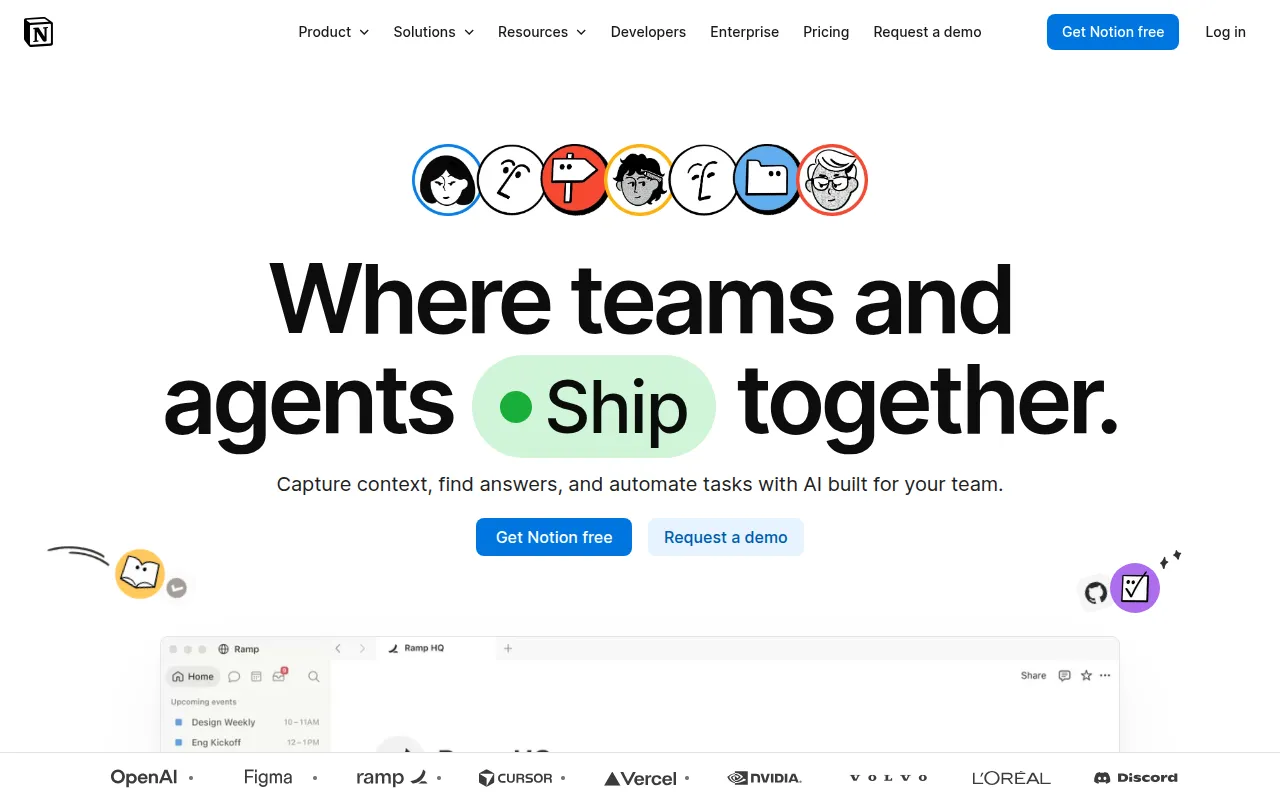
Notion - Best for Team Collaboration
Notion serves as an all-in-one workspace combining notes, tasks, and databases. For e-commerce managers, its flexibility allows teams to collaborate seamlessly on SEO strategies and content planning. By utilizing Notion’s databases, team members can easily track keyword research, content calendars, and project statuses, ensuring everyone is aligned on goals and deadlines.
- Flexible Databases: Organize and manage keyword research, competitor analysis, and content ideas in a structured way.
- Notion AI: Leverage AI capabilities to generate content ideas and assist in writing optimized product descriptions.
- Team Wikis: Create a knowledge base for SEO best practices, ensuring all team members have access to important information.
Pricing: Freemium - Free for personal use. Plus plan $10/month, Team plan $15/user/month. Best for: E-commerce teams looking for a collaborative workspace.
Google Analytics - Best for Performance Tracking
Google Analytics is a powerhouse for tracking website traffic and understanding user behavior. For e-commerce managers, it provides insights into how visitors interact with product pages and which marketing efforts yield the best results. By setting up conversion goals, managers can gauge the effectiveness of their SEO strategies and make data-driven decisions.
- Event Tracking: Monitor specific user actions on product pages, such as clicks and purchases.
- Conversion Goals: Set and track goals to measure the success of your SEO efforts in driving sales.
- Audience Segments: Analyze different customer segments to tailor marketing efforts more effectively.
Pricing: Free - Completely free. Google Analytics 360 available for enterprise. Best for: E-commerce businesses wanting in-depth performance analysis.
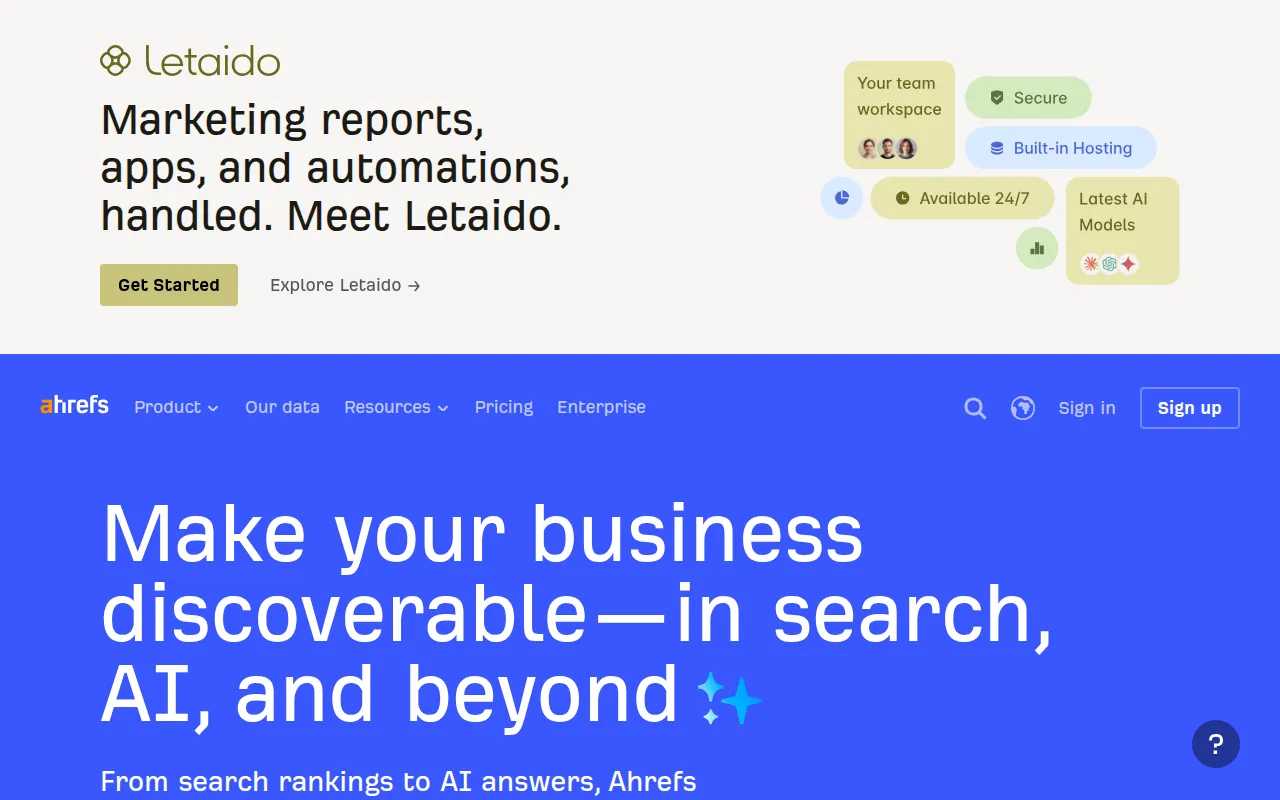
Ahrefs - Best for SEO Research
Ahrefs stands out as one of the most comprehensive SEO toolsets available. E-commerce managers can utilize its powerful keyword research and backlink analysis features to gain insights into their competitors’ strategies. By understanding what keywords are driving traffic for similar products, managers can refine their own keyword strategies to improve rankings.
- Backlink Analysis: Identify and analyze backlinks to understand how competitors achieve their rankings.
- Keyword Research: Discover high-potential keywords that can attract more traffic to product pages.
- Site Audit: Regularly check for technical SEO issues that may hinder performance.
Pricing: Paid - Lite $99/mo, Standard $199/mo, Advanced $399/mo. Best for: E-commerce managers focused on in-depth SEO research.
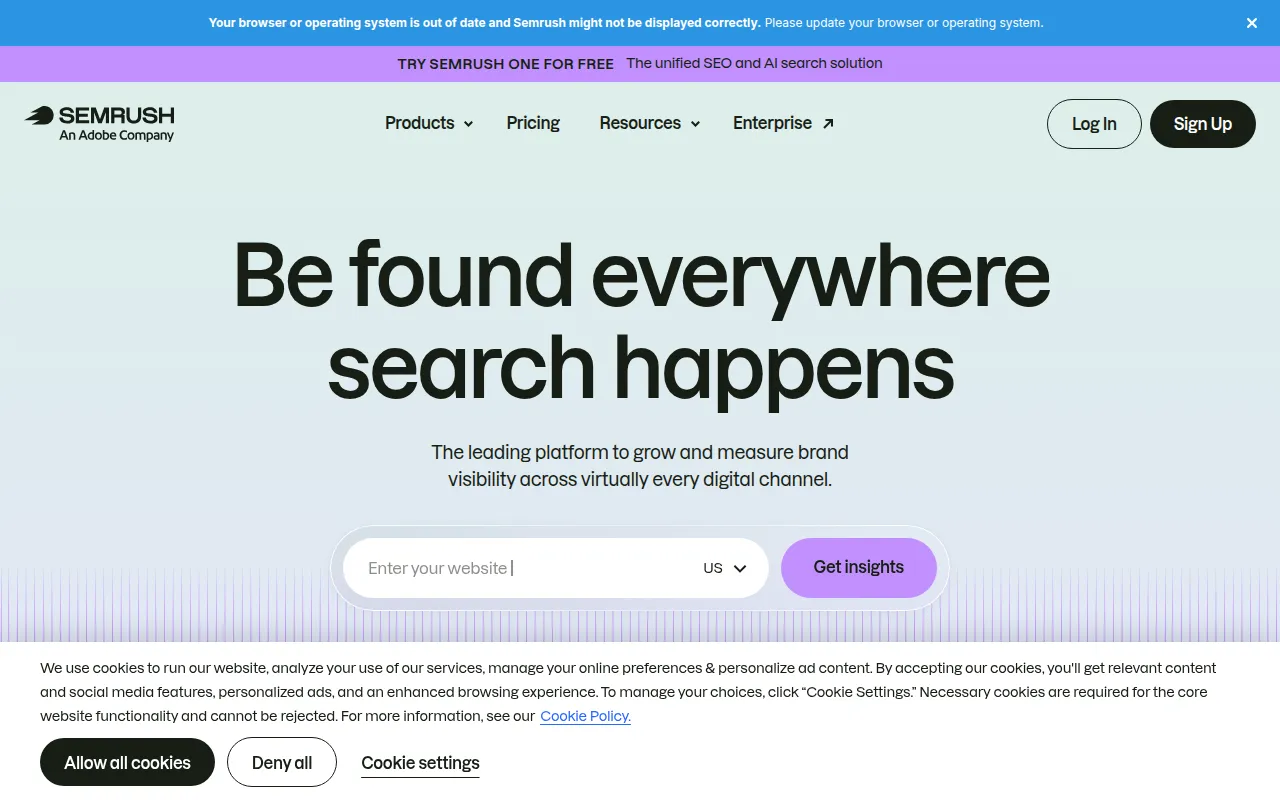
Semrush - Best for Comprehensive SEO and Marketing
Semrush is an all-in-one digital marketing suite that offers extensive features for e-commerce businesses. It allows users to conduct thorough keyword research, analyze competitors, and optimize PPC campaigns. E-commerce managers can benefit from Semrush's capabilities to develop targeted marketing strategies that increase visibility and drive traffic to their product pages.
- Keyword Research: Find relevant keywords and track their performance over time.
- Competitor Analysis: Analyze competitor strategies to identify gaps and opportunities in your own approach.
- PPC Tools: Optimize paid advertising strategies to complement organic efforts.
Pricing: Paid - Pro $119.95/mo, Guru $229.95/mo, Business $449.95/mo. Best for: E-commerce businesses needing an integrated marketing solution.
ChatGPT - Best for Content Generation
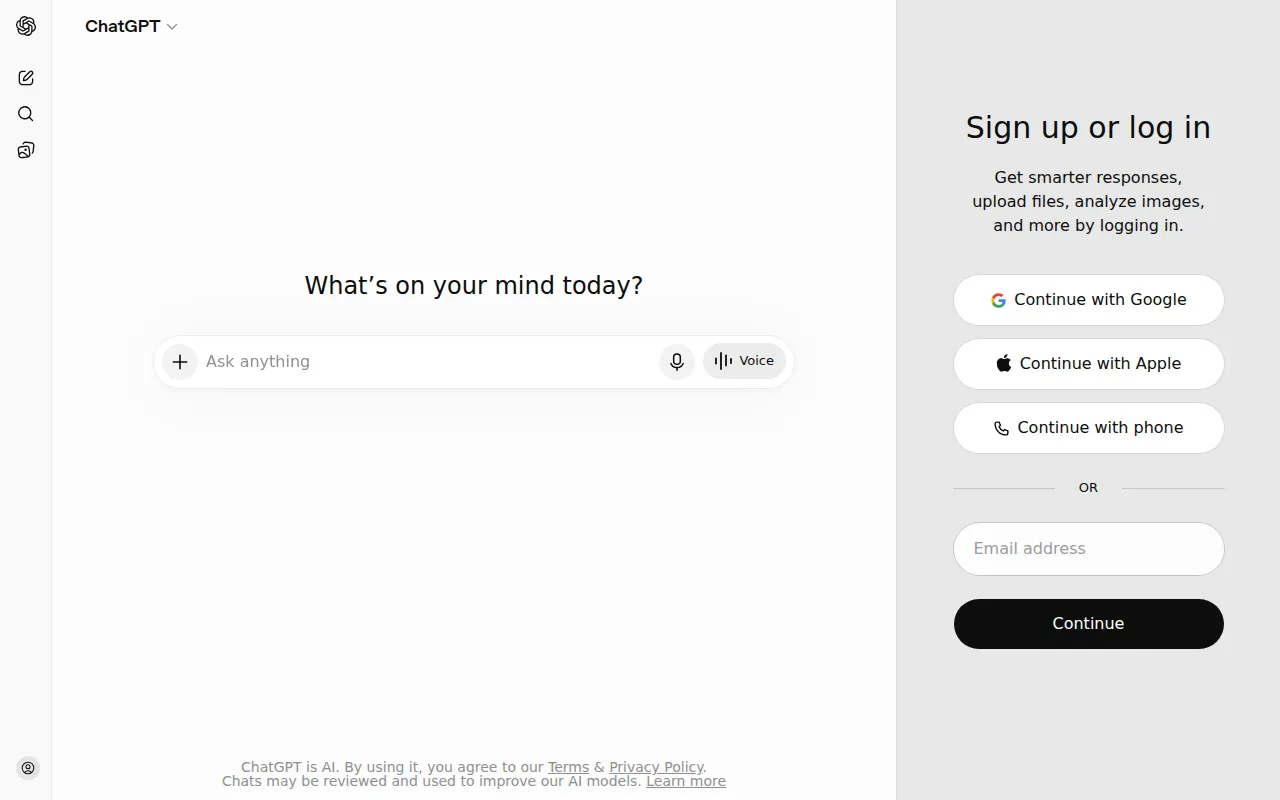
ChatGPT, powered by OpenAI, excels in generating high-quality content quickly. For e-commerce managers, this AI tool can assist in creating product descriptions, blog posts, and marketing copy that are optimized for search engines. With the ability to produce content in various styles, ChatGPT helps businesses keep their sites fresh and engaging.
- GPT-4 Access: Use advanced AI capabilities to generate content that resonates with target audiences.
- Code Interpreter: Automate repetitive tasks, saving time on content management.
- Image Generation: Create custom visuals that enhance branding and product presentation.
Pricing: Freemium - Free tier available. ChatGPT Plus at $20/month unlocks GPT-4. Best for: E-commerce teams looking to streamline content creation.
Canva - Best for Graphic Design
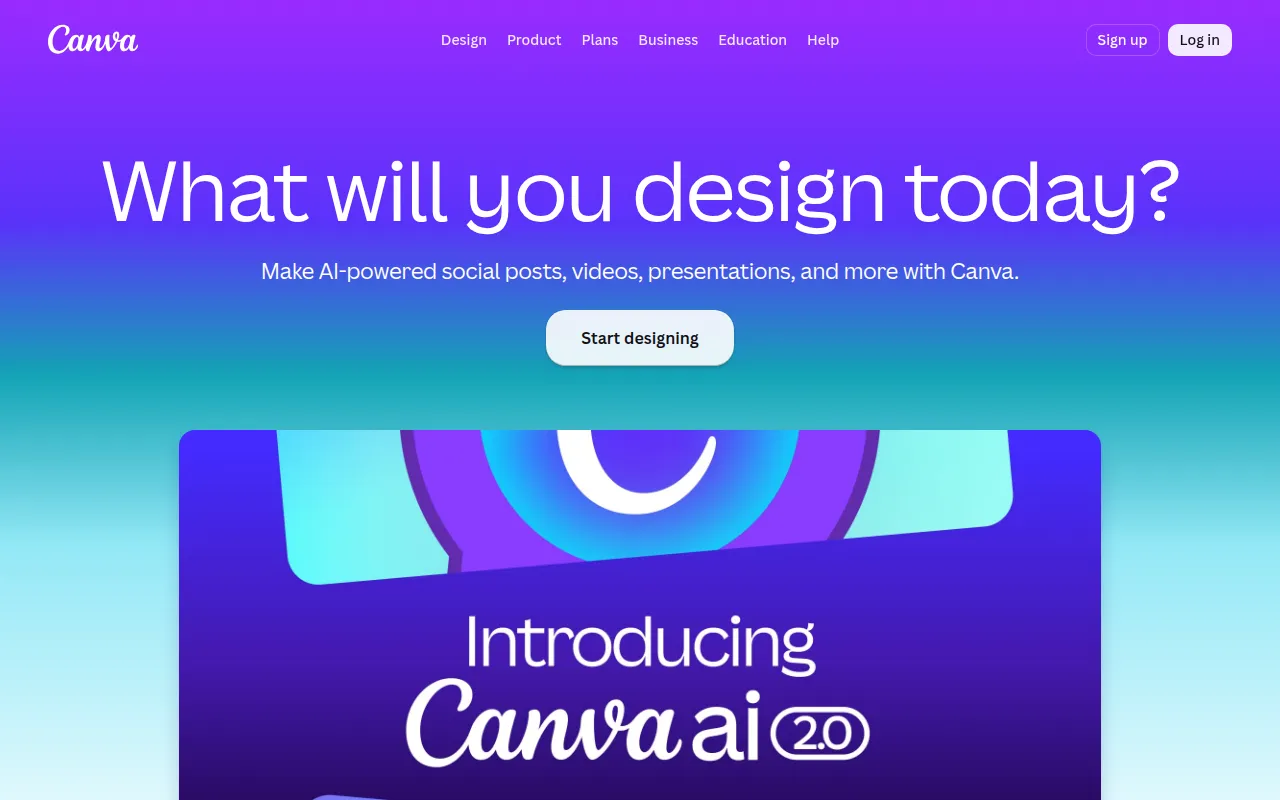
Canva is a user-friendly graphic design platform that empowers e-commerce managers to create eye-catching visuals for their marketing campaigns. With a plethora of templates and design tools, it simplifies the process of producing high-quality images for social media, product listings, and promotional materials.
- 10,000+ Templates: Access a vast library of pre-designed templates tailored for e-commerce.
- AI Magic Design: Generate unique designs effortlessly using AI features.
- Brand Kit: Maintain brand consistency across all designs with customizable brand assets.
Pricing: Freemium - Free forever plan. Canva Pro at $15/month per person. Best for: E-commerce businesses needing quick and easy graphic design solutions.
Buffer - Best for Social Media Management
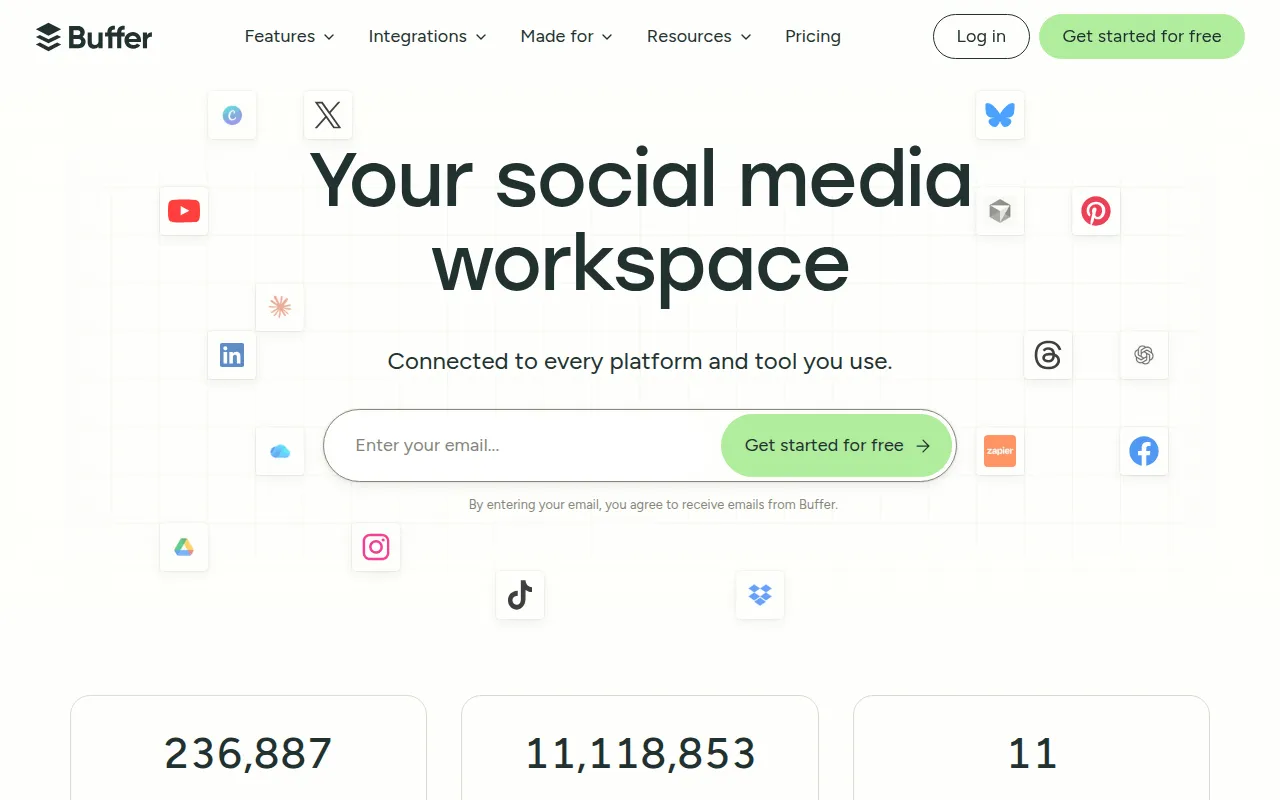
Buffer is a robust social media scheduling tool that helps e-commerce managers efficiently plan and analyze their social media content. By maintaining a consistent posting schedule, businesses can drive traffic to their product pages and enhance brand awareness through social channels.
- Multi-platform Scheduling: Schedule posts across various social media platforms from a single dashboard.
- Analytics: Track social media performance to understand what content drives engagement.
- AI Captions: Generate engaging captions that enhance social media posts.
Pricing: Freemium - Free for 3 channels. Essentials $6/channel/mo, Team $12/channel/mo. Best for: E-commerce managers focused on social media strategy.
Jasper AI - Best for SEO Content Creation
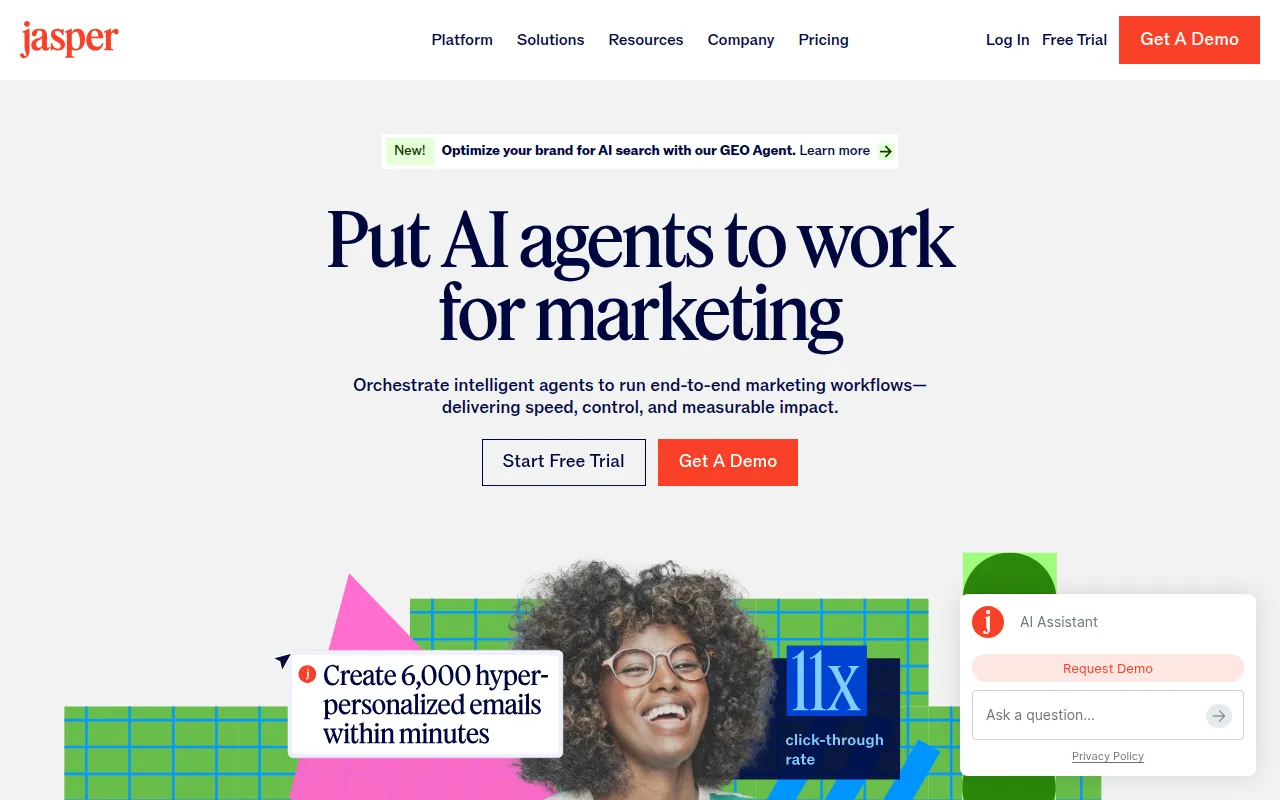
Jasper AI is an AI content generation platform designed to help marketing teams create high-quality content quickly. For e-commerce managers, Jasper can significantly reduce the time spent on writing product descriptions, blog posts, and marketing emails, while ensuring the content is optimized for SEO.
- Brand Voice AI: Generate content that aligns with your brand’s voice and messaging.
- 50+ Templates: Easily create various types of content, from social media posts to product descriptions.
- SEO Mode: Optimize content for search engines directly within the platform.
Pricing: Paid - Creator $49/mo, Teams $125/mo (3 seats), Business custom pricing. Best for: E-commerce teams looking to enhance content production.
Mailchimp - Best for Email Marketing
Mailchimp is a leading email marketing platform that enables e-commerce businesses to create and analyze effective email campaigns. With its powerful automation features, e-commerce managers can engage customers and drive traffic to product pages through targeted email marketing strategies.
- Email Campaigns: Create visually appealing emails that promote products and drive sales.
- Marketing Automation: Automate email sequences based on customer behavior, enhancing engagement.
- A/B Testing: Test different email formats and content to optimize performance.
Pricing: Freemium - Free up to 500 contacts. Essentials from $13/mo, Standard from $20/mo. Best for: E-commerce businesses seeking effective email marketing solutions.
Midjourney - Best for AI Image Generation
Midjourney is an advanced AI image generation tool that allows e-commerce managers to create stunning visuals from text descriptions. This capability is particularly useful for generating unique product images or marketing materials that stand out in a crowded marketplace.
- Text-to-Image AI: Convert textual descriptions into high-quality images tailored for your brand.
- High Resolution Output: Produce images that are suitable for various marketing channels.
- Style Control: Customize the visual style of generated images to align with your brand identity.
Pricing: Paid - Basic $10/mo (200 images), Standard $30/mo (unlimited), Pro $60/mo. Best for: E-commerce businesses needing unique visual content.
Quick Comparison
| Tool | Best For | Starting Price | Rating |
|---|
| Notion | Team Collaboration | Free / $10/mo | 4.6/5 |
| Google Analytics | Performance Tracking | Free | 4.5/5 |
| Ahrefs | SEO Research | $99/mo | 4.7/5 |
| Semrush | Comprehensive Marketing | $119.95/mo | 4.6/5 |
| ChatGPT | Content Generation | Free / $20/mo | 4.8/5 |
| Canva | Graphic Design | Free / $15/mo | 4.9/5 |
| Buffer | Social Media Management | Free / $6/mo | 4.4/5 |
| Jasper AI | SEO Content Creation | $49/mo | 4.5/5 |
| Mailchimp | Email Marketing | Free / $13/mo | 4.4/5 |
| Midjourney | AI Image Generation | $10/mo | 4.7/5 |
Best Choice for Beginners
Notion is the ideal tool for beginners. Its user-friendly interface allows new users to dive into project management and collaboration without feeling overwhelmed. The freemium model also makes it accessible for small businesses just starting their e-commerce journey.
Best Choice for Professionals
Ahrefs is the best choice for professionals. With its advanced features like backlink analysis and comprehensive keyword research capabilities, it offers the depth needed for seasoned e-commerce managers looking to refine their SEO strategies and outperform competitors.
Best Value Pick
Google Analytics is the best value pick due to its comprehensive features offered for free. It provides essential insights into website performance and user behavior without any financial investment, making it an invaluable tool for e-commerce businesses of all sizes.
Conclusion
To boost organic traffic to your e-commerce product pages, leveraging the right SEO tools is essential. By selecting the tools that best fit your needs, you can confidently navigate the competitive landscape and drive meaningful results.