
ChatGPT
Freemium
AI
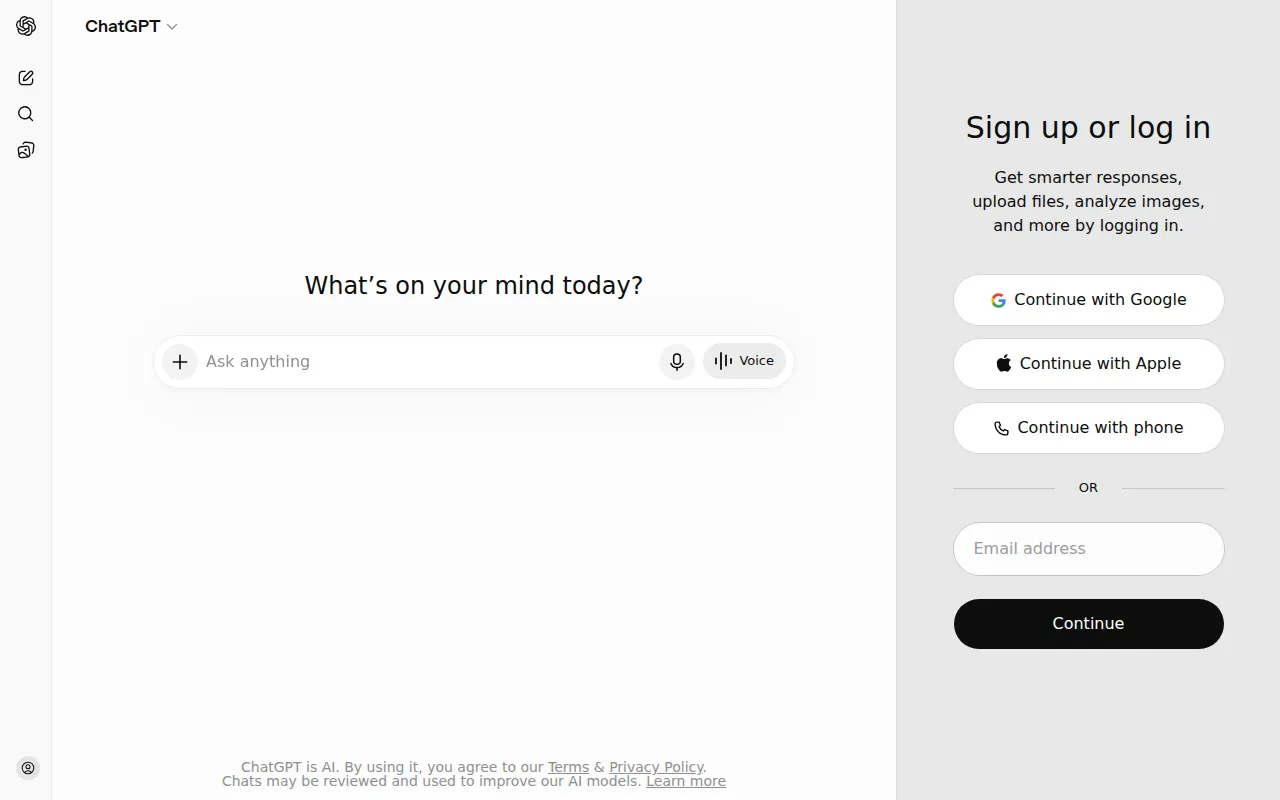
The most popular AI chatbot by OpenAI. Generate content, code, and automate tasks with GPT-4.
Struggling to integrate VR into your classroom? Discover tools that simplify this technology for effective learning.
Integrating virtual reality (VR) into the classroom can transform learning experiences, yet many educators feel overwhelmed by its complexity. If you're looking to enrich your curriculum with immersive technology, understanding the right tools is crucial.
Many teachers find themselves intimidated by the rapid advancements in technology, particularly VR. The lack of training and resources often leaves them unsure of how to effectively incorporate VR into their lessons. For instance, a history teacher may want to create a virtual tour of ancient civilizations but feels unprepared to navigate the software or hardware required. This hesitation can lead to missed opportunities for student engagement and a richer educational experience.
ChatGPT is an AI-powered chatbot that helps educators generate content and automate tasks efficiently. With its ability to create lesson plans, quizzes, and interactive content, ChatGPT stands out as an essential tool for teachers looking to save time and enhance their curriculum with VR material.
Pricing: Freemium model available, with ChatGPT Plus at $20/month. Best for: Educators looking for versatile content generation.
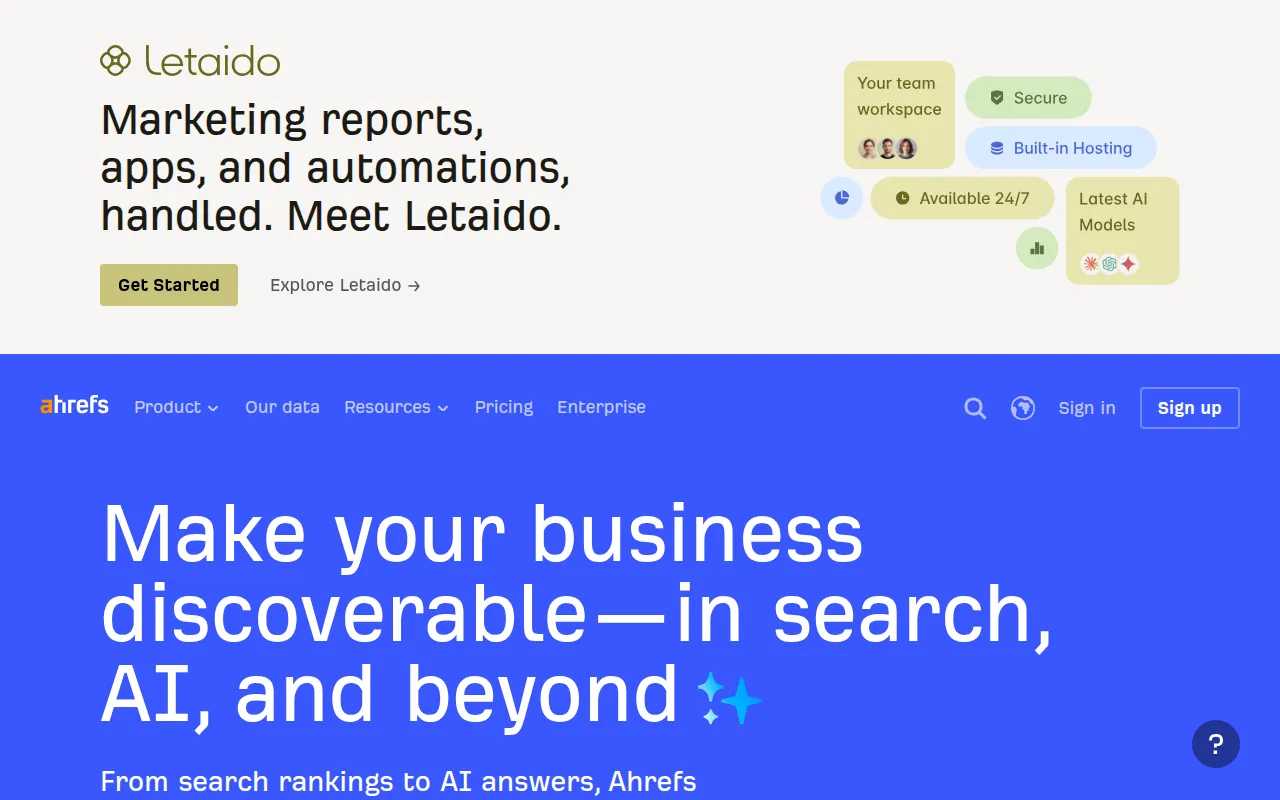
Ahrefs is a comprehensive SEO toolset that can help educators optimize online resources and digital content. For teachers creating VR lessons that incorporate online research or presentations, Ahrefs can enhance visibility and engagement by ensuring that their content ranks well in search results.
Pricing: Paid plans starting at $99/month. Best for: Educators focused on improving their online content strategy.
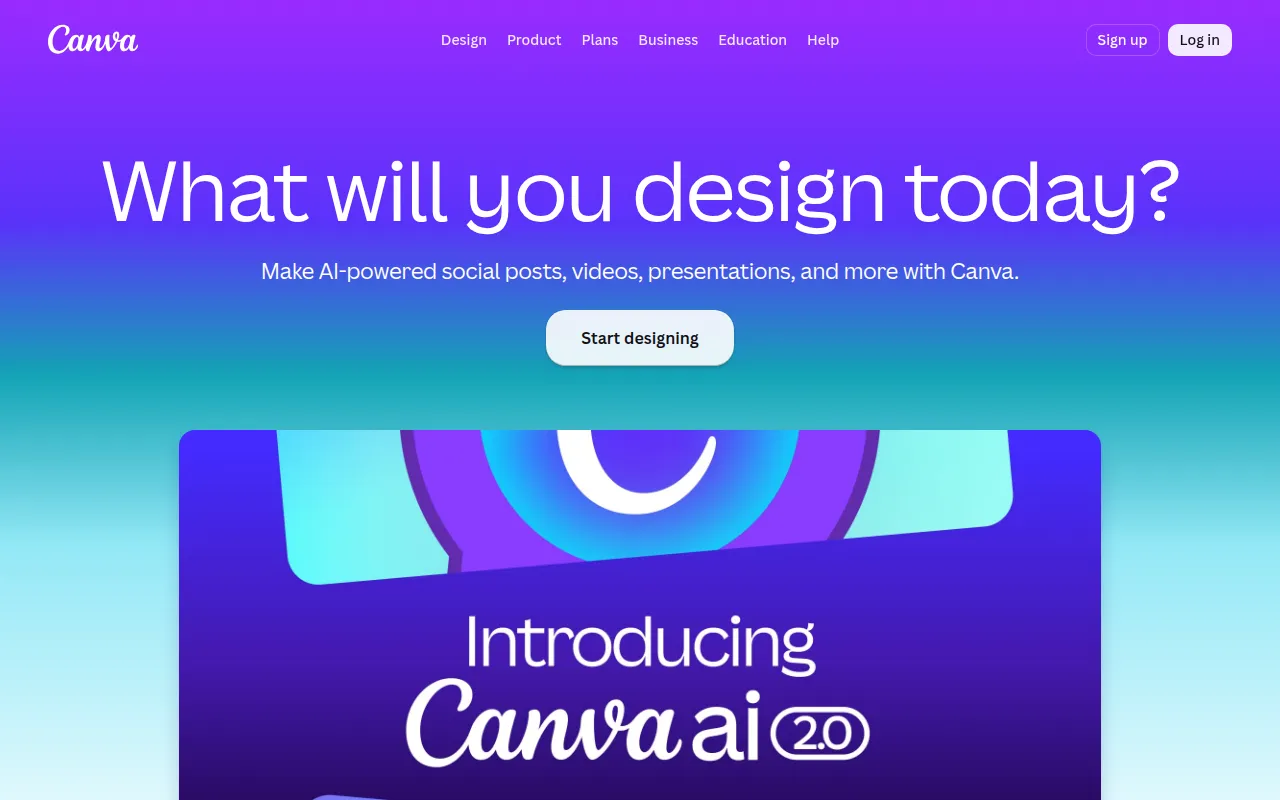
Canva offers a user-friendly platform for creating stunning visuals that can accompany VR experiences. Teachers can design eye-catching presentations, posters, and infographics to enhance their lessons, making learning more interactive and engaging.
Pricing: Freemium model available, with Canva Pro at $15/month per person. Best for: Teachers looking to create engaging visuals for their VR lessons.
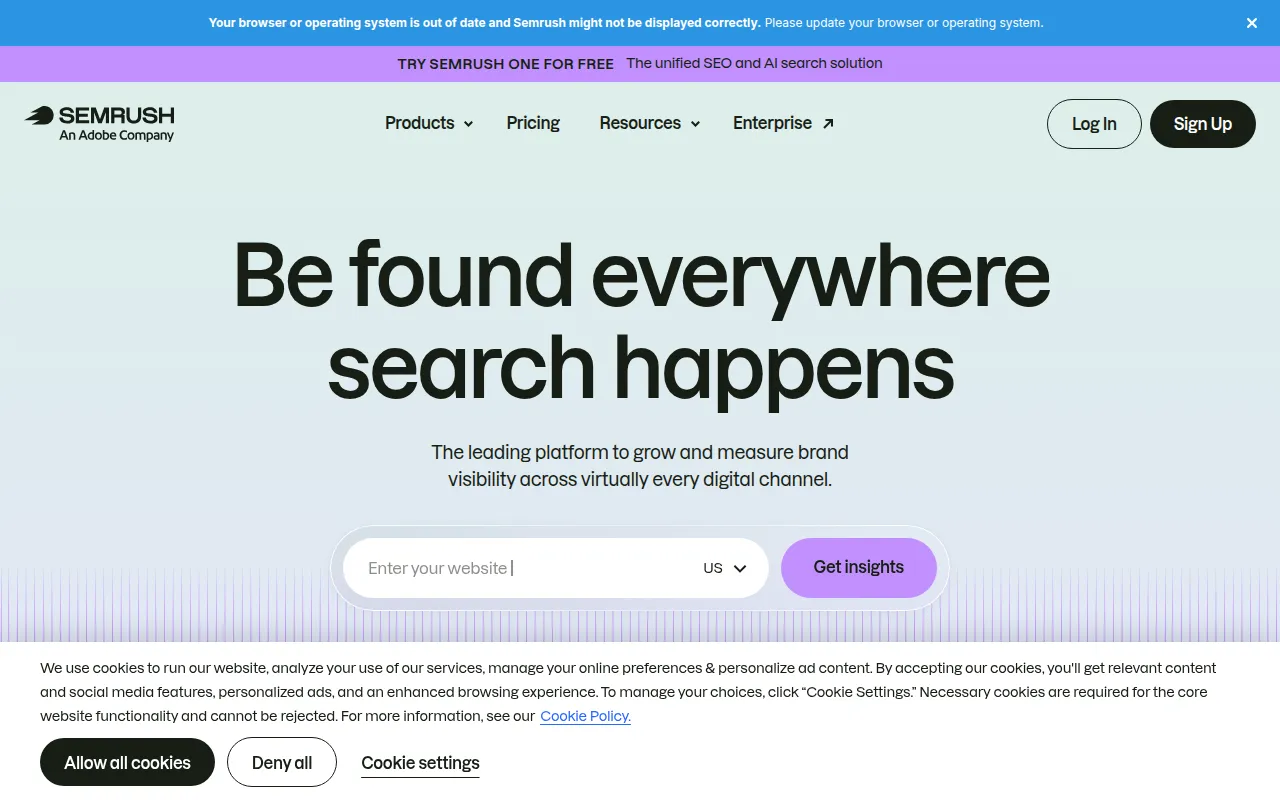
Semrush is a digital marketing suite that provides educators with the tools to analyze their content's performance. By understanding how students and parents find educational materials, teachers can tailor their VR lessons to better meet learner needs.
Pricing: Paid plans starting at $119.95/month. Best for: Educators wanting to enhance their online presence and marketing strategies.
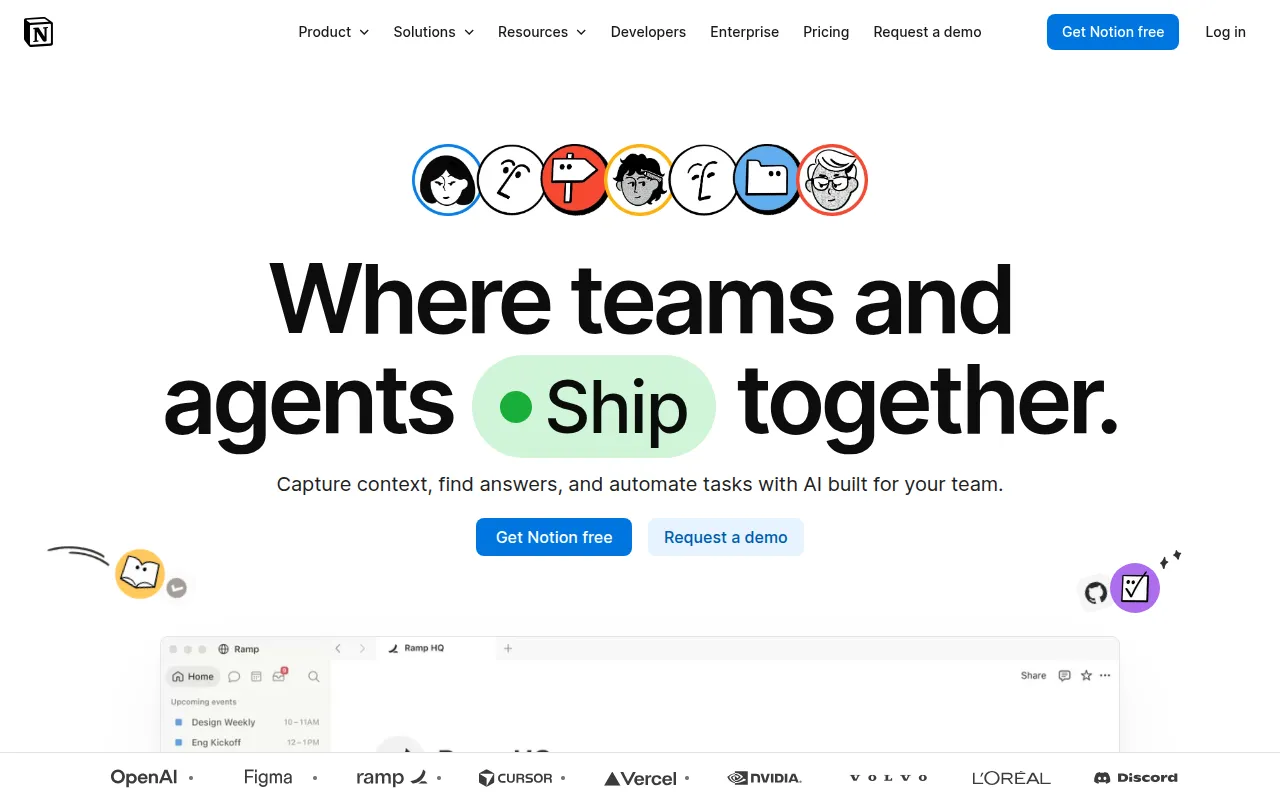
Notion is a versatile workspace that allows educators to manage notes, tasks, and resources all in one place. For teachers incorporating VR into their lessons, Notion can help keep everything organized and accessible, making it easier to collaborate with colleagues.
Pricing: Freemium model available, with Plus plan at $10/month. Best for: Teachers looking for an all-in-one organizational tool.
Midjourney is an advanced AI image generation tool that allows educators to create stunning visuals from text descriptions. This can be particularly useful for developing engaging VR environments and materials that captivate students' attention.
Pricing: Paid plans starting at $10/month. Best for: Teachers aiming to create unique visuals for VR lessons.
GitHub Copilot is an AI-powered code completion tool that helps educators streamline the coding process. For teachers integrating programming into their VR lessons, Copilot can provide intelligent suggestions, making coding more accessible.
Pricing: Individual plan at $10/month. Best for: Educators wanting to incorporate programming into their VR lessons.
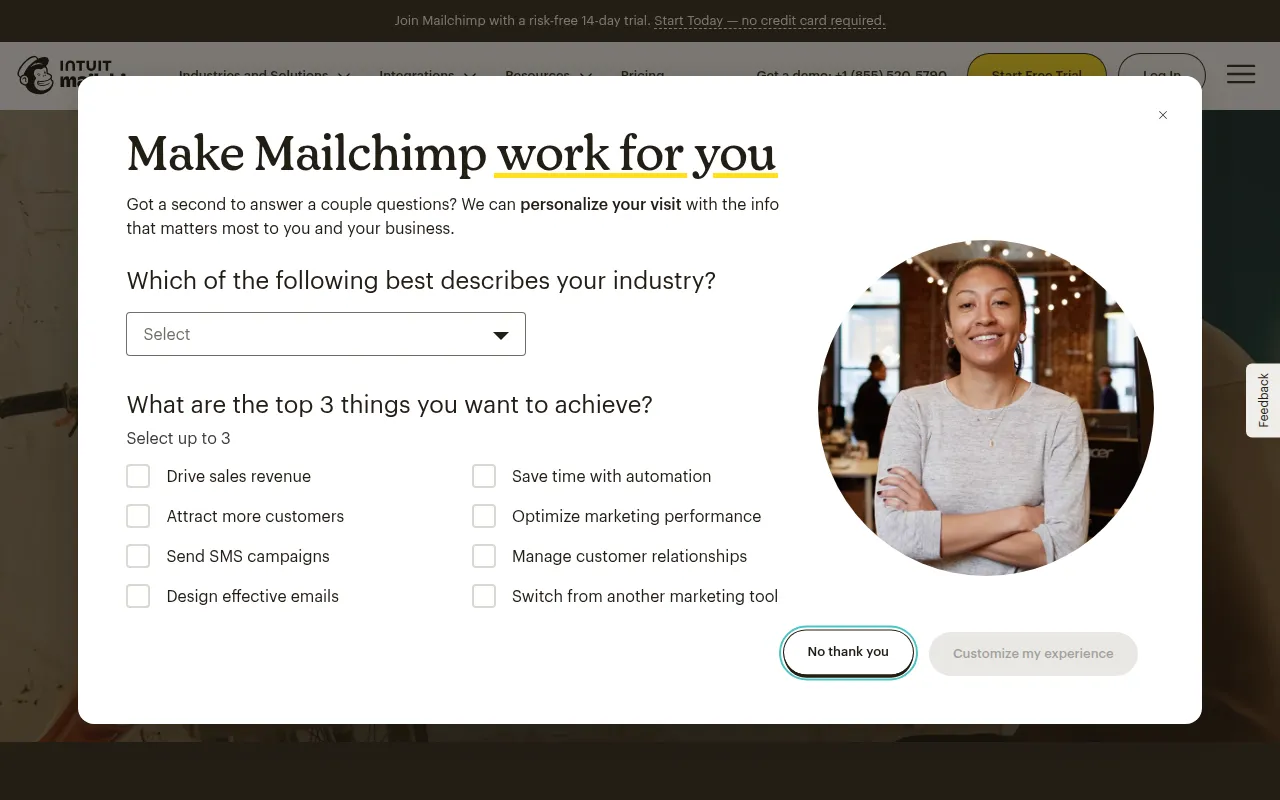
Mailchimp is a leading email marketing platform that allows educators to communicate effectively with students and parents. For schools promoting VR initiatives, Mailchimp can help manage campaigns and analyze their performance.
Pricing: Freemium model available, with Essentials from $13/month. Best for: Educators looking to enhance communication and marketing efforts.
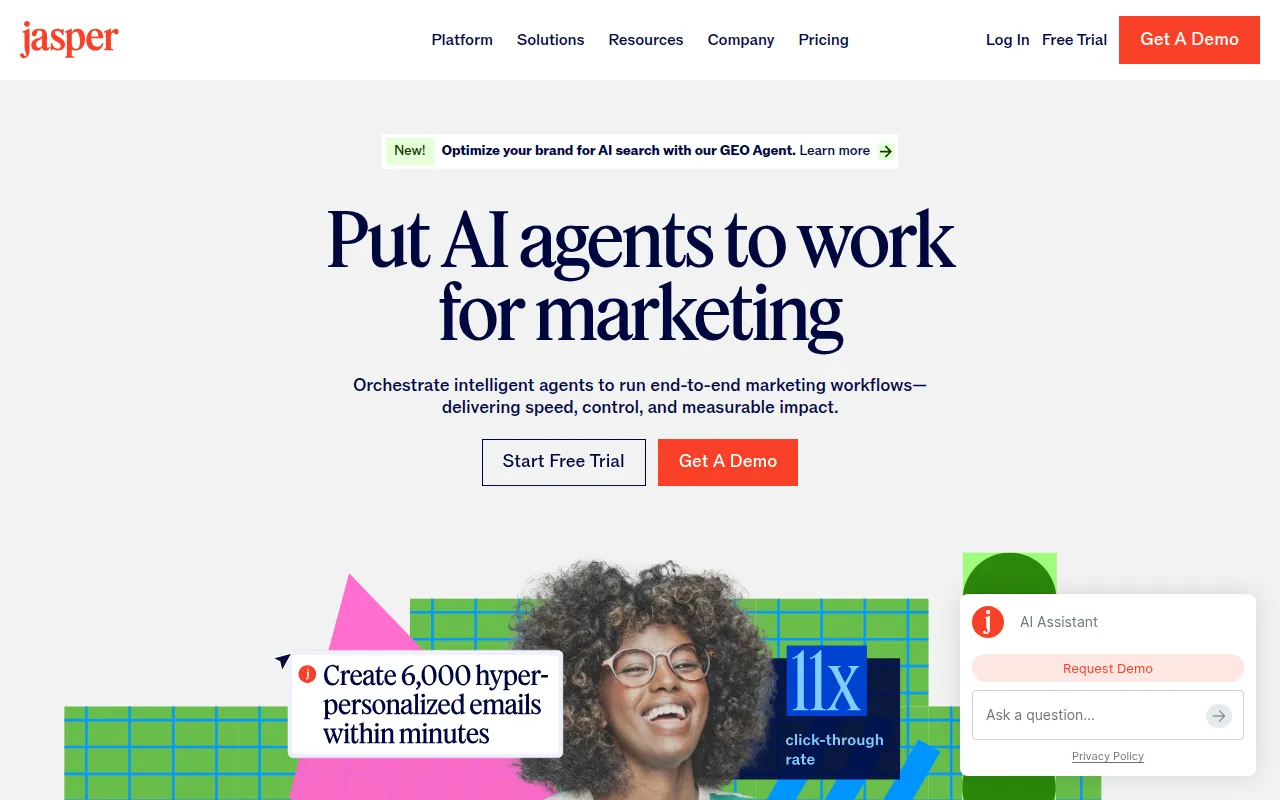
Jasper AI is an AI content platform designed to help educators generate high-quality content quickly. This tool can support teachers in creating informative materials that complement their VR initiatives.
Pricing: Plans starting at $49/month. Best for: Educators who need to generate content efficiently.
| Tool | Best For | Starting Price | Rating |
|---|---|---|---|
| ChatGPT | Content Generation | Free / $20 | 4.8/5 |
| Ahrefs | SEO and Content Strategy | $99 | 4.7/5 |
| Canva | Visual Design | Free / $15 | 4.9/5 |
| Semrush | Comprehensive Marketing Insights | $119.95 | 4.6/5 |
| Notion | Organization and Collaboration | Free / $10 | 4.6/5 |
| Midjourney | AI Image Generation | $10 | 4.7/5 |
| GitHub Copilot | Code Assistance | $10 | 4.7/5 |
| Mailchimp | Email Marketing | Free / $13 | 4.4/5 |
| Jasper AI | Content Creation | $49 | 4.5/5 |
Canva is the ideal choice for beginners looking to create visual content for their VR lessons. Its intuitive interface and extensive template library allow educators with little design experience to produce professional-quality materials quickly.
Ahrefs stands out as the best choice for professionals seeking to enhance their online content strategies. Its comprehensive features for keyword research and competitor analysis provide invaluable insights for educators aiming to maximize the reach of their VR lessons.
ChatGPT is the best value pick for educators. With a freemium model and a powerful set of features, it enables teachers to generate quality content efficiently, making it a cost-effective solution for enhancing educational experiences.
Integrating VR into the classroom can significantly elevate student engagement and learning. By choosing the right tools, educators can confidently navigate this technology and enrich their teaching methods.
The most popular AI chatbot by OpenAI. Generate content, code, and automate tasks with GPT-4.
The most comprehensive SEO toolset for keyword research, backlink analysis, site audit, and competitor research.
The easiest graphic design platform. Create stunning designs for social media, presentations, and marketing materials.
Complete SEO and digital marketing suite for keyword research, competitor analysis, PPC, and content marketing.
All-in-one workspace for notes, tasks, wikis, and databases. The best tool for personal productivity and team collaboration.
The most advanced AI image generation tool. Create stunning artwork and images from text descriptions.
AI-powered code completion. Write code faster with intelligent suggestions in any programming language.
The leading email marketing platform. Create, send, and analyze email campaigns with powerful automation.
AI content platform for marketing teams. Generate blog posts, ad copy, and social media content 5x faster.
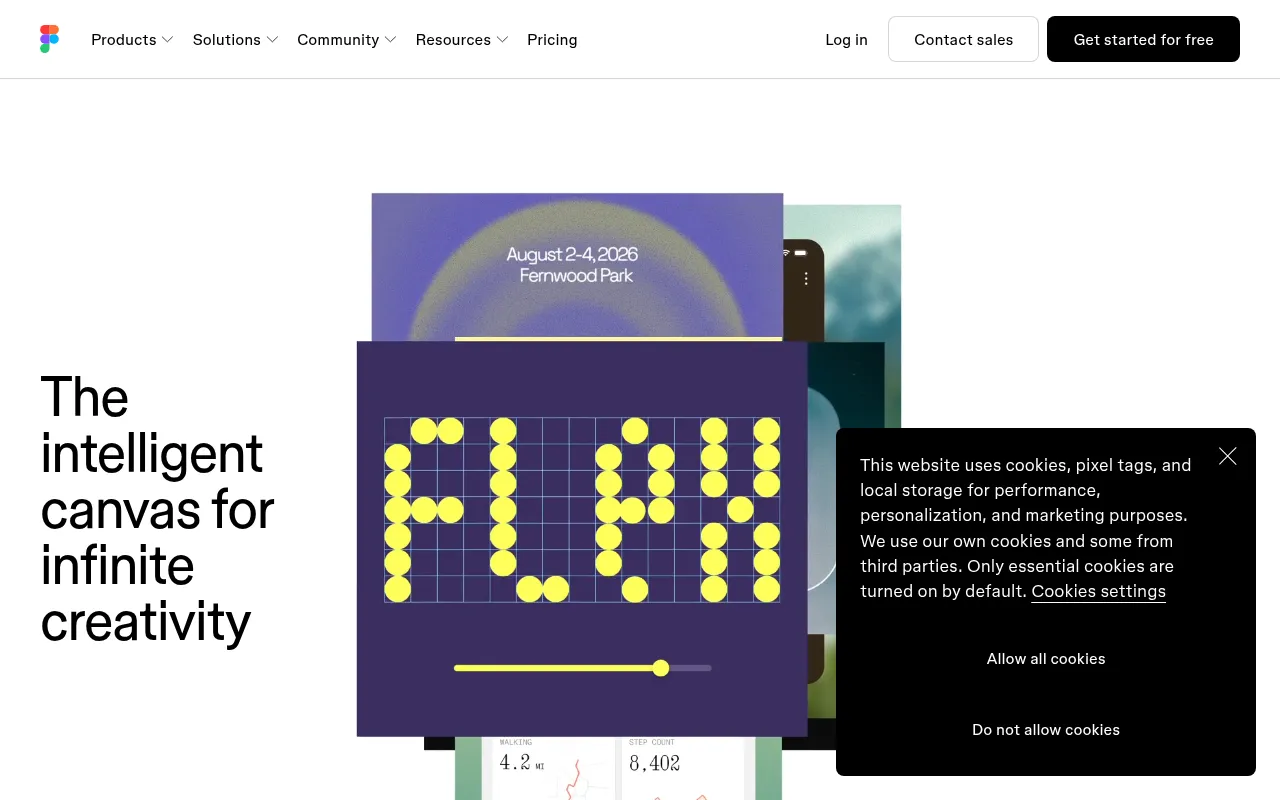
The collaborative design tool for teams. Design, prototype, and collaborate on UI/UX in real-time.
VR technology can immerse students in interactive environments, making learning more engaging and memorable. For instance, students can explore historical sites or conduct virtual science experiments, which enhances understanding and retention.
Canva is excellent for beginners as it allows educators to create visually appealing materials without needing advanced design skills. Its user-friendly interface and extensive templates make it easy to get started.
Pricing varies by tool. For example, ChatGPT offers a free tier, while Ahrefs starts at $99/month. Many tools have freemium models that provide essential features at no cost.
Yes, most of these tools are designed to complement existing curricula, allowing educators to enhance their lesson plans with VR experiences that align with educational standards.
Look for user-friendliness, integration capabilities, support resources, cost-effectiveness, and feedback mechanisms to ensure the tool meets your educational needs.
Some limitations include the need for specialized hardware, potential technical difficulties, and the requirement for adequate training for educators to effectively use VR tools.
Jasper AI is best for content creation, offering various templates and an SEO mode to help generate high-quality educational materials quickly.
Weekly roundup of new AI tools, launches, and trending software. No spam — unsubscribe anytime.
No credit card required · Cancel anytime
Weekly roundup of new AI tools, launches, and trending software. No spam — unsubscribe anytime.
No credit card required · Cancel anytime