

Buffer vs AI Home Design
Discover the differences between Buffer and AI Home Design in 2026. Find the best marketing tool for your needs today!

Buffer
Social media scheduling and management. Plan, schedule, and analyze content for all your social channels.
View Profile →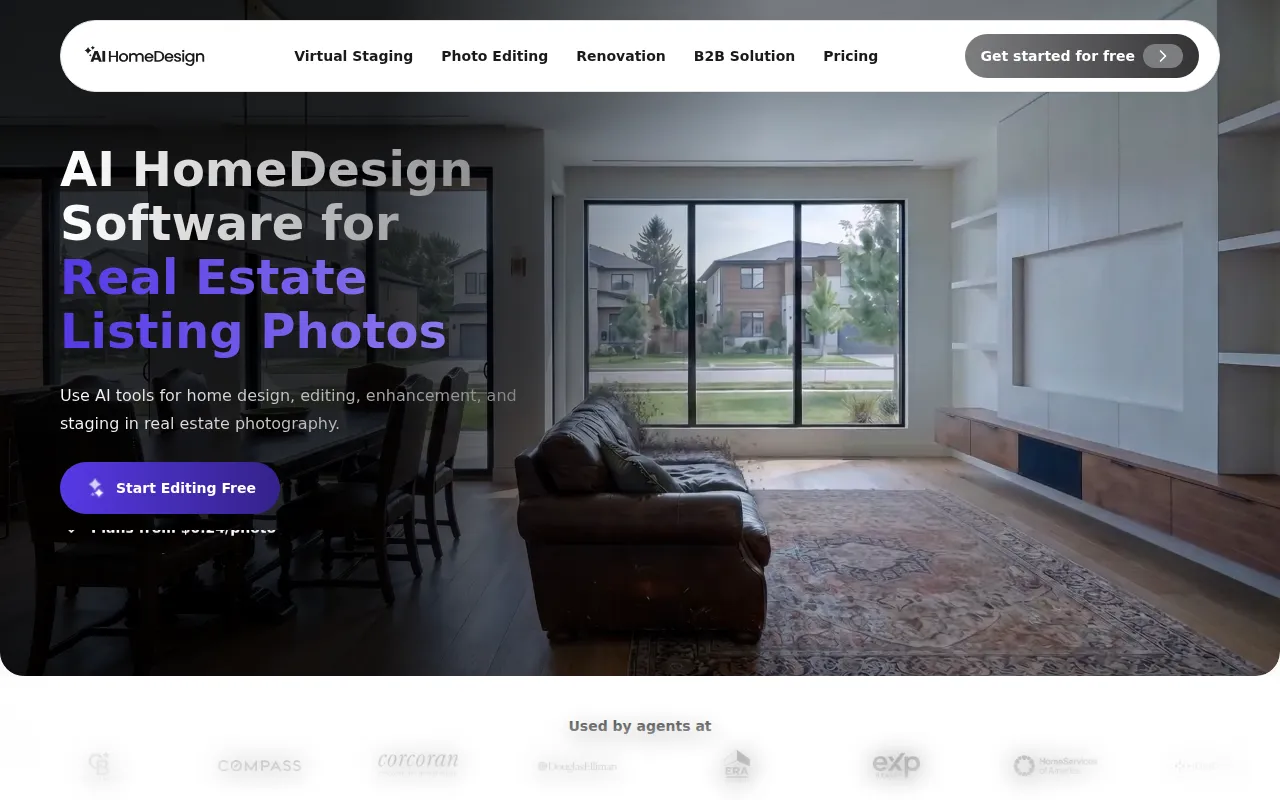

AI Home Design
AI Home Design offers virtual staging and editing tools for real estate listing photos, enhancing property appeal quickly and affordably.
View Profile →Overview
This comparison focuses on two distinct tools - Buffer and AI Home Design. Buffer serves social media managers and marketers looking to streamline their content scheduling and analytics across various platforms. In contrast, AI Home Design caters to real estate professionals and property owners who want to enhance their listing photos through virtual staging and editing. Both tools offer unique solutions, and this article will help users determine which is better suited for their specific needs.
Buffer Overview
Buffer is a social media scheduling and management tool designed to help users plan, schedule, and analyze content across multiple social channels efficiently. Its intuitive interface allows users to create posts, choose optimal times for publishing, and monitor engagement metrics all in one place. Buffer is particularly beneficial for small businesses, marketers, and social media managers who need a reliable way to maintain an active online presence without getting overwhelmed by the demands of content creation and scheduling. The tool enables users to manage up to three social media accounts for free, which is a great starting point for individuals and small teams.
One of Buffer's most notable strengths is its analytics feature, which provides insights into post performance and audience engagement. Users can easily track metrics such as shares, likes, and comments, allowing them to refine their strategies based on real data. Additionally, Buffer supports a variety of social media platforms, including Facebook, Twitter, Instagram, and LinkedIn, making it a versatile option for brands looking to maximize their reach. The platform also integrates with various third-party applications, enhancing its functionality and providing users with a comprehensive social media management experience.
AI Home Design Overview
AI Home Design is a virtual staging and photo editing tool specifically targeted at real estate professionals and property owners. It offers a range of features that allow users to enhance property listing photos quickly and affordably, making homes more appealing to potential buyers. The tool leverages artificial intelligence to automate the staging process, enabling users to generate high-quality images that showcase properties in their best light. This is particularly useful for real estate agents who want to stand out in a competitive market without incurring the high costs of traditional staging.
One of the key advantages of AI Home Design is its user-friendly interface, which allows users to upload their images and select from a variety of staging options with just a few clicks. This ease of use can significantly cut down the time and expense involved in preparing listing photos. Additionally, AI Home Design offers a freemium pricing model, allowing users to pay as they go for each photo edited, which can be a cost-effective solution for agents with fluctuating needs. The tool is designed for both experienced real estate professionals and those new to the industry, making it accessible for anyone looking to improve their property listings.
Feature Comparison
| Feature | Buffer | AI Home Design |
|---|---|---|
| Primary Function | Social media scheduling and analytics | Virtual staging and photo editing |
| Supported Platforms | Facebook, Twitter, Instagram, LinkedIn, and more | Web-based tool with cloud storage |
| Free Plan | Free for up to 3 channels | Free trial available, pay-per-photo |
| Analytics | Comprehensive post performance metrics | Limited analytics on photo views |
| User Interface | Intuitive and user-friendly | Simple upload and staging process |
| Integration | Third-party app integrations available | No significant third-party integrations |
| Customization Options | Customizable posting schedule | Various staging options and styles |
| Target Users | Marketers, social media managers, small businesses | Real estate agents, property owners |
| Pricing Structure | Freemium; Essentials $6/channel/mo; Team $12/channel/mo | Freemium; starts at $0.24 per photo |
| Support | Email and chat support available | Email support; limited live assistance |
Pricing Comparison
Buffer offers a freemium model that allows users to manage up to three social media channels without any cost. For those looking for more robust features, the Essentials plan starts at $6 per channel per month, which includes additional analytics and publishing features. The Team plan, priced at $12 per channel per month, provides collaboration tools for larger teams, making it suitable for agencies managing multiple clients. This tiered pricing structure allows users to find a plan that fits their needs and budget, especially for small to medium-sized businesses.
On the other hand, AI Home Design operates on a pay-per-photo model, starting at $0.24 for each edited photo, with a free trial available for new users. This pricing structure is advantageous for real estate agents, as it allows them to only pay for what they use. While individual photo costs can add up, the ability to enhance listing images affordably makes it an attractive option for agents looking to maximize their property appeal without significant upfront investment. For users who may only need occasional photo enhancements, this can be a far more cost-effective solution than a subscription model.
Pros and Cons
Buffer Pros and Cons
- Pro: Comprehensive analytics that help refine social media strategies.
- Pro: Supports multiple social media platforms, making it versatile.
- Pro: User-friendly interface that simplifies scheduling and management.
- Con: Higher pricing tiers may be a barrier for solo entrepreneurs.
- Con: Limited features in the free plan compared to paid options.
AI Home Design Pros and Cons
- Pro: Cost-effective pay-per-photo model ideal for variable needs.
- Pro: Quick and easy virtual staging process enhances property appeal.
- Pro: Free trial allows users to test features before committing.
- Con: Limited analytics compared to Buffer's comprehensive metrics.
- Con: Fewer customization options for staging compared to traditional methods.
Which Should You Choose?
If you are a social media manager or marketer looking for an efficient way to manage multiple accounts, Buffer is likely the better choice. Its robust scheduling, analytics, and user-friendly interface make it ideal for users who need to maximize their social media presence while easily analyzing performance. The tiered pricing can accommodate various user needs, making it a versatile solution for both individuals and teams.
On the other hand, if you are a real estate agent or property owner needing to enhance listing photos quickly and affordably, AI Home Design is an excellent option. Its AI-driven photo editing capabilities allow you to present properties in the best possible light without the high costs associated with traditional staging. The pay-per-photo model provides flexibility, making it suitable for agents who may not need constant photo editing services.
For small businesses that operate in both social media marketing and real estate, using both tools may provide a comprehensive solution. Buffer can help maintain a strong online presence, while AI Home Design can enhance property listings. In this case, investing in both tools may yield the best results, allowing you to leverage the strengths of each platform effectively.
Conclusion
In conclusion, Buffer and AI Home Design serve different purposes and cater to distinct user needs. Buffer excels in social media management and analytics, making it a go-to choice for marketers and businesses. Meanwhile, AI Home Design offers an affordable and efficient way to enhance property listings through virtual staging. Depending on your specific needs, either tool can be a valuable addition to your toolkit, ensuring you make informed decisions that align with your business goals.
Frequently Asked Questions
The choice between Buffer and AI Home Design ultimately depends on your professional focus. Buffer excels in social media management with its robust scheduling and analytics features, while AI Home Design is specialized for real estate professionals needing virtual staging. Assess your primary objectives to determine which tool aligns better.
Buffer offers a tiered pricing model based on the number of social accounts and features, starting from a free plan to more comprehensive paid options. In contrast, AI Home Design typically charges per project or subscription, depending on the extent of services needed for photo editing and staging, which may vary significantly based on user requirements.
Buffer is ideal for businesses and marketers looking to schedule posts, analyze engagement, and manage multiple social media accounts efficiently. On the other hand, AI Home Design is perfect for real estate agents and homeowners seeking to enhance property listings with professional-grade virtual staging and photo editing.
Migrating from Buffer to AI Home Design or vice versa involves different considerations. For Buffer, users should ensure they can export their posting schedules and analytics data. In contrast, transitioning to AI Home Design may require assessing existing photo assets and understanding the virtual staging process. It's essential to plan for a seamless transition to avoid disruptions.
Buffer offers a generous free plan that allows users to manage up to three social accounts and schedule up to ten posts per account. AI Home Design may not have a comprehensive free plan and might offer limited trials for specific features, so users should evaluate what they can access without payment when considering their options.
As a tie-breaker, consider the integration capabilities of each tool with your existing workflows. If you rely heavily on social media analytics and management, Buffer's integrations may provide added value. Conversely, if your focus is on enhancing property visuals, examine how well AI Home Design connects with real estate platforms or listing services you already use.