Why Look for Alternatives to Cleric?
While Cleric is a powerful AI-driven SRE tool designed to streamline incident resolution for engineering teams, it does have some limitations that may prompt users to consider alternatives. One of the primary concerns is its pricing model, which operates on a pay-for-work-completed basis. While this can be beneficial for some, it may lead to unpredictable costs, especially for teams that experience fluctuating workloads or unexpected incidents. This pricing structure can create budgetary challenges, particularly for startups or smaller teams that require more predictable expenses. Additionally, users have reported that Cleric lacks certain advanced features like customizable dashboards and detailed analytics, which can be crucial for teams looking to gain deeper insights into their operations and incident management processes.
Moreover, Cleric's focus on incident resolution may not sufficiently address all aspects of software development and operational management. Users seeking a comprehensive solution that encompasses not just incident resolution but also application development, automated testing, and productivity insights may find Cleric lacking. As such, teams looking for a more holistic approach to their software development lifecycle might need to explore alternatives that offer a wider range of functionalities and better align with their specific needs.
Best Alternatives to Cleric in 2026
ezsite - Best for Rapid Application Development
ezsite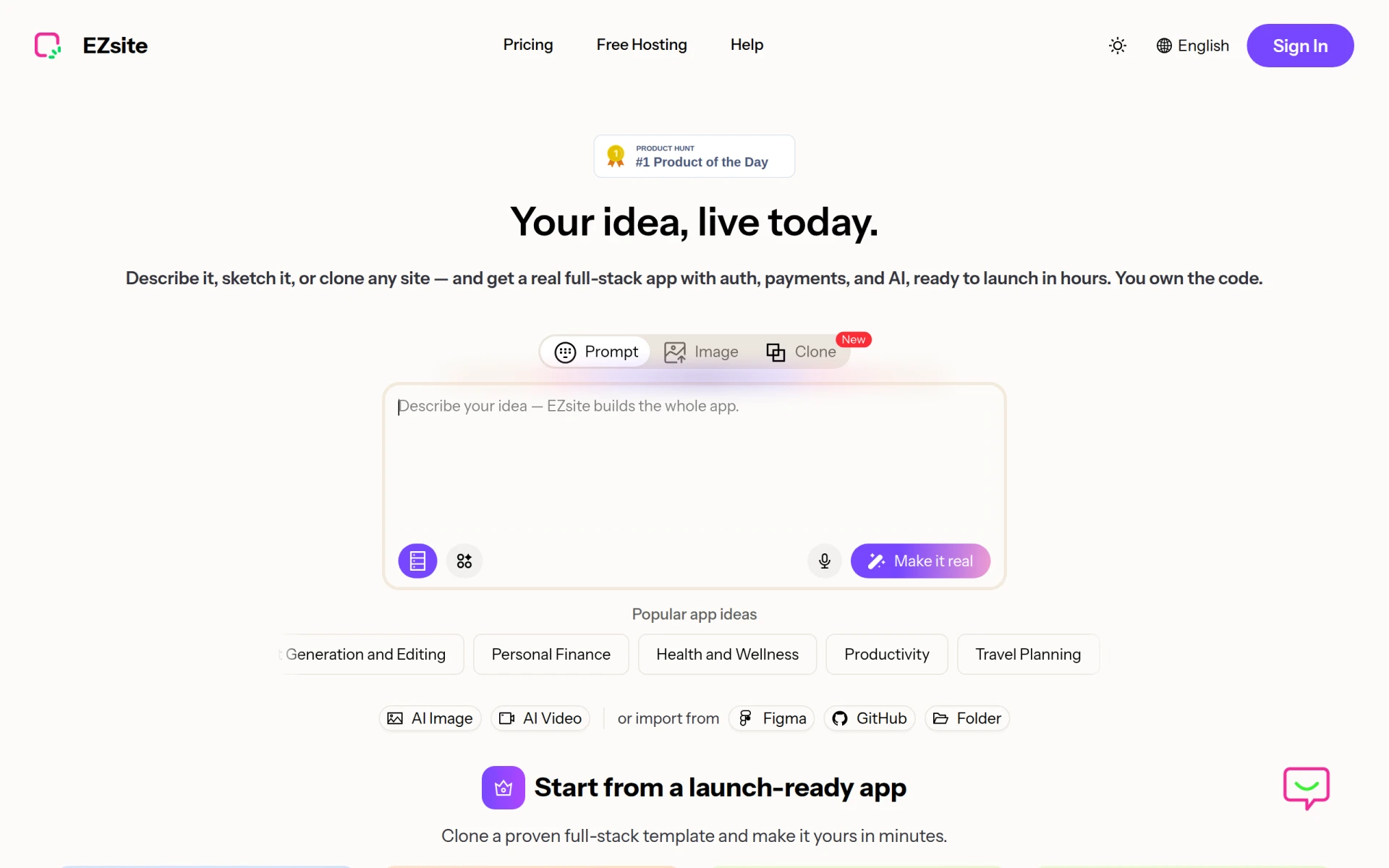 is an AI-powered full-stack app builder that allows users to create production-ready web applications quickly and efficiently. Compared to Cleric, which focuses primarily on incident resolution, ezsite provides a much broader scope by allowing developers to build and deploy applications with minimal coding. This makes it an excellent choice for teams that need to expedite their development processes while still ensuring quality and functionality. Developers who prioritize speed and ease of use will benefit from ezsite's intuitive interface and robust feature set, which streamlines the app creation process.
Designed for both beginners and experienced developers, ezsite empowers teams to launch web applications faster without sacrificing performance. Its AI-driven capabilities enable users to automate various aspects of the development process, from code generation to deployment, which can significantly reduce time to market. This makes ezsite a compelling alternative for organizations looking to enhance their development efficiency without the complexities often associated with traditional coding environments.
- Key Strength: Rapid application development with minimal coding required
- Key Strength: AI-driven features streamline the entire development process
- Key Strength: User-friendly interface suitable for teams with varying levels of expertise
- Limitation: May not offer the same depth of incident management capabilities as Cleric
Pricing: Pro Plan at $10 per month. Best for: Teams looking for a quick solution to build and deploy web applications.
Build AI - Best for No-Code AI Applications
Build AI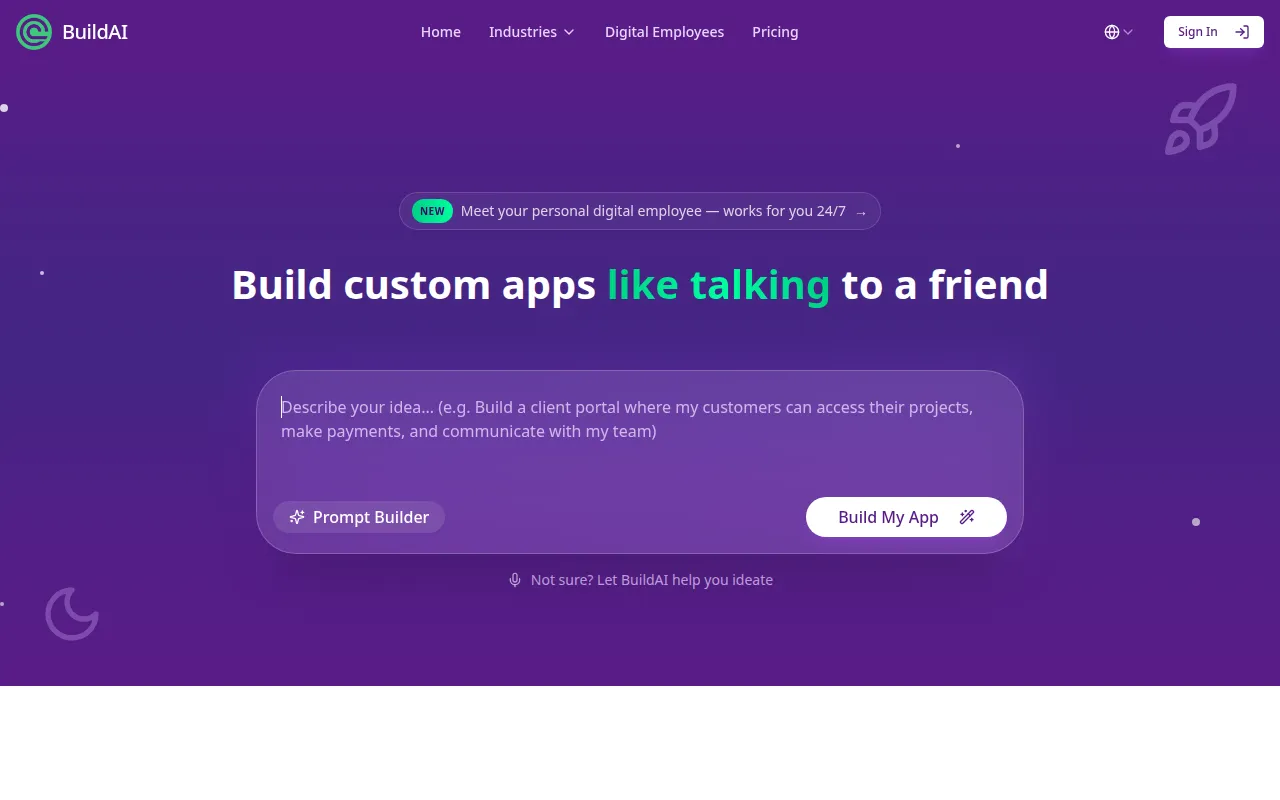 is a no-code platform that allows users to create AI applications quickly and easily, making it a standout alternative to Cleric for teams interested in harnessing artificial intelligence without extensive coding knowledge. Where Cleric focuses on incident resolution, Build AI opens the door for users to create intelligent applications tailored to specific tasks, thereby broadening the scope of what teams can achieve. Its intuitive drag-and-drop interface allows users to design applications visually, which can significantly reduce development time and complexity.
Furthermore, Build AI's freemium model means that teams can explore its features without upfront costs, making it an attractive option for startups and smaller organizations. The platform's flexibility in accommodating different user needs with various paid plans also allows for scalable growth, which is crucial for teams that anticipate evolving requirements. This adaptability makes Build AI not only a powerful tool for creating AI-driven applications but also a smart choice for those looking to innovate without the burden of high initial costs.
- Key Strength: No-code platform enables rapid AI application development
- Key Strength: Freemium model allows for cost-effective exploration of features
- Key Strength: Highly flexible, catering to a range of user needs
- Limitation: Users seeking detailed incident management capabilities may find it lacking
Pricing: Free trial available with several paid plans. Best for: Teams wanting to create AI applications without coding expertise.
Shipixen - Best for Quick Landing Page Creation
Shipixen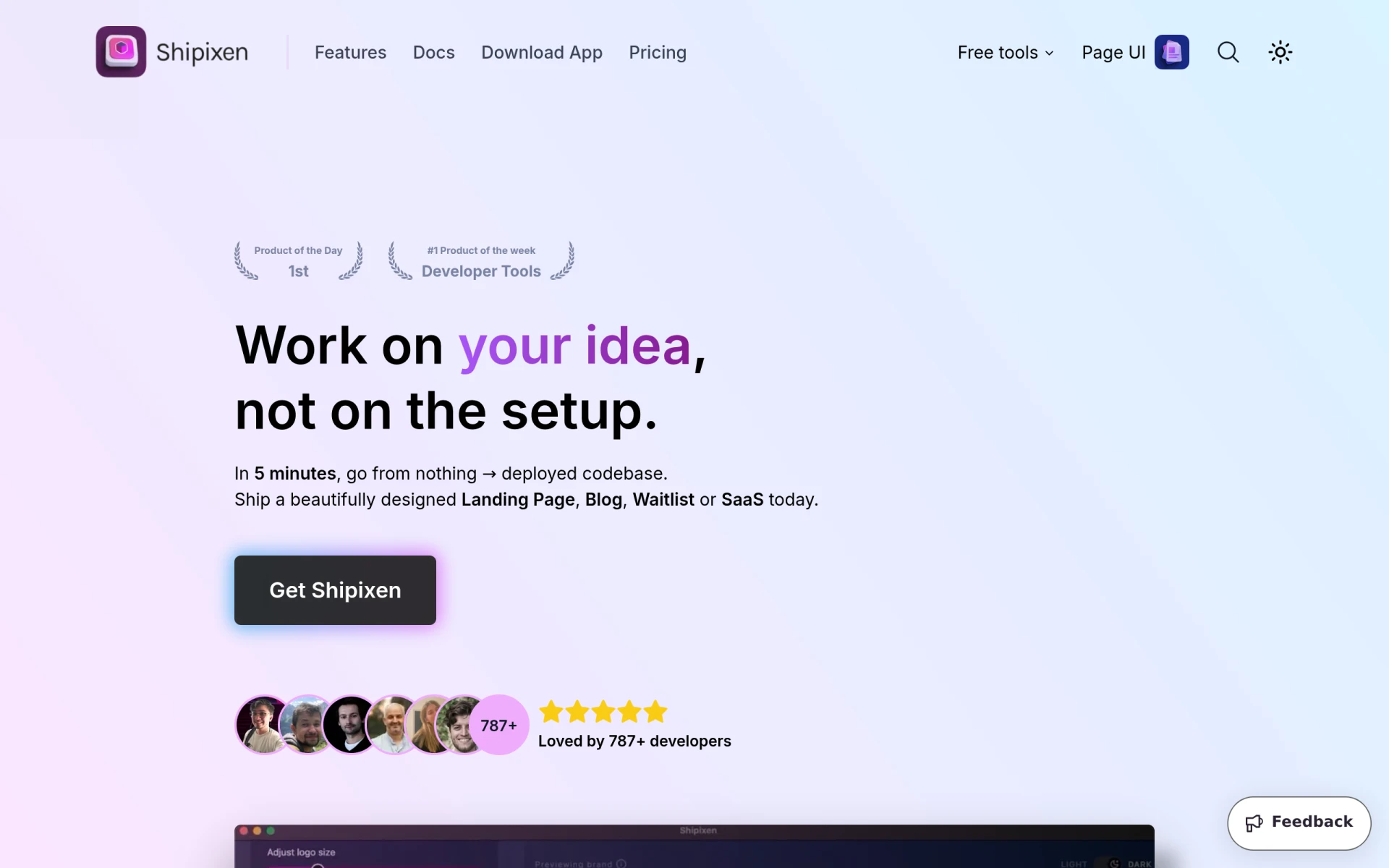 is a Next.js landing page builder that enables users to create and deploy apps in minutes with minimal setup. Unlike Cleric, which is designed for incident resolution, Shipixen focuses on the rapid deployment of web applications, making it ideal for marketing teams and startups looking to launch promotional pages or MVPs quickly. The platform’s minimal setup requirements allow users to focus on design and content rather than technical complexities, thereby accelerating the time it takes to go live.
What sets Shipixen apart is its integration with Next.js, which optimizes the performance of web applications. This ensures that the landing pages not only load quickly but also rank well in search engines, providing an additional layer of value for users. Whether you are testing a new product or driving traffic to a marketing campaign, Shipixen’s streamlined approach to landing page creation offers a compelling alternative to the more incident-focused Cleric.
- Key Strength: Rapid deployment of landing pages with minimal technical setup
- Key Strength: Built on Next.js for enhanced performance and SEO
- Key Strength: User-friendly interface designed for marketers and non-technical users
- Limitation: Limited features for comprehensive app development
Pricing: One-year license for $249 or a lifetime license for $379. Best for: Marketing teams needing fast landing page solutions.
Waydev - Best for Developer Productivity Insights
Waydev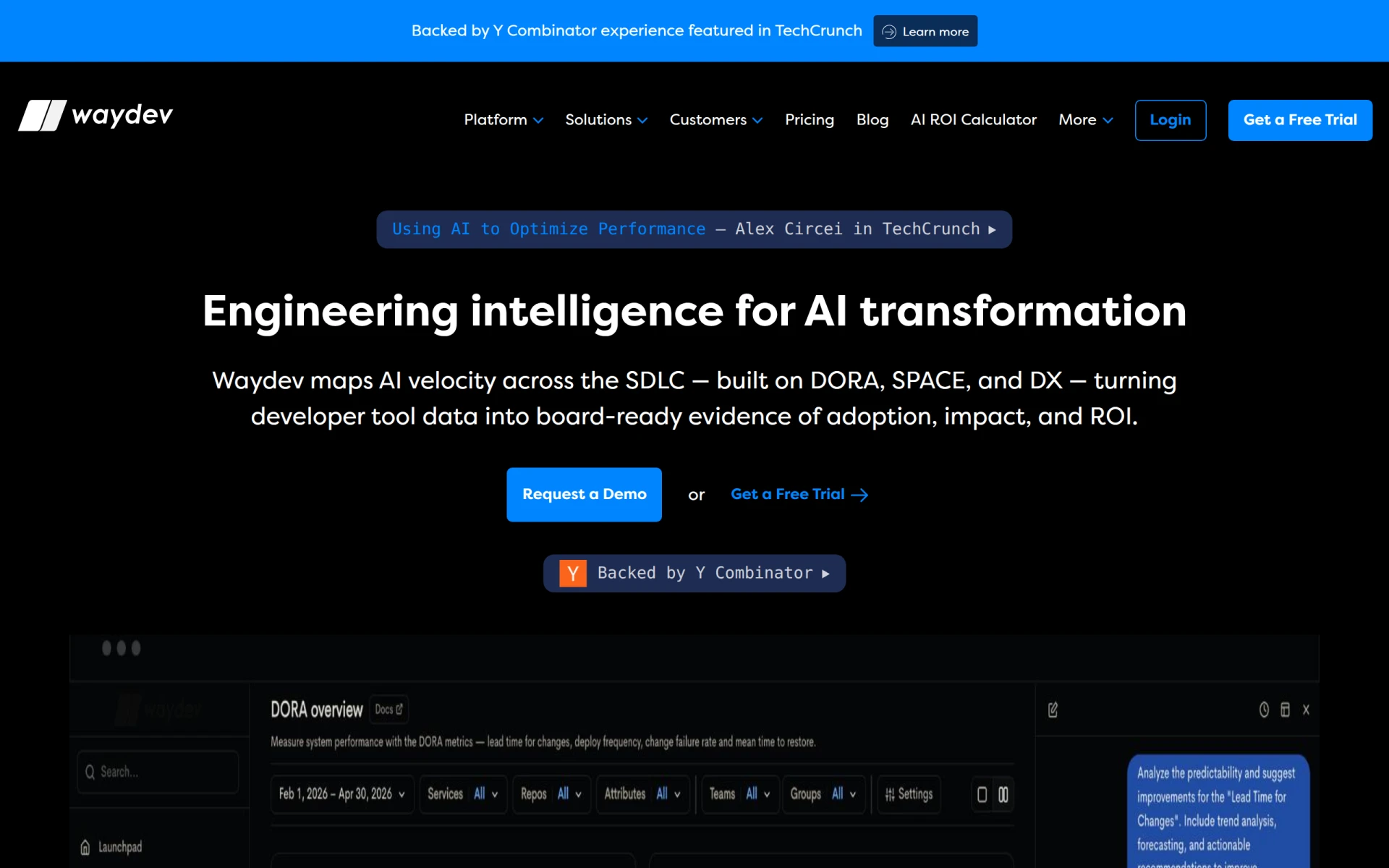 provides AI-driven insights into developer productivity, offering a perspective that Cleric does not emphasize. While Cleric focuses on incident resolution, Waydev helps teams optimize their software development lifecycle by providing metrics and analytics on coding activities. This insight allows engineering teams to identify bottlenecks, measure performance, and improve their workflows, making it a valuable tool for organizations looking to enhance their development processes.
Waydev's analytics capabilities enable teams to make data-driven decisions, which can lead to increased efficiency and productivity. By understanding how developers are spending their time, managers can better allocate resources and prioritize tasks. This level of insight is crucial for teams aiming to foster continuous improvement in their development practices. Therefore, for organizations that prioritize measuring and enhancing developer productivity, Waydev emerges as a superior alternative to Cleric.
- Key Strength: Comprehensive analytics on developer productivity and workflow
- Key Strength: AI-driven insights for data-driven decision-making
- Key Strength: Helps identify bottlenecks and optimize resource allocation
- Limitation: Primarily focused on productivity rather than incident resolution
Pricing: Annual subscription based on active contributors. Best for: Teams focused on improving developer productivity and workflow efficiency.
Whacka - Best for No-Code App Creation
Whacka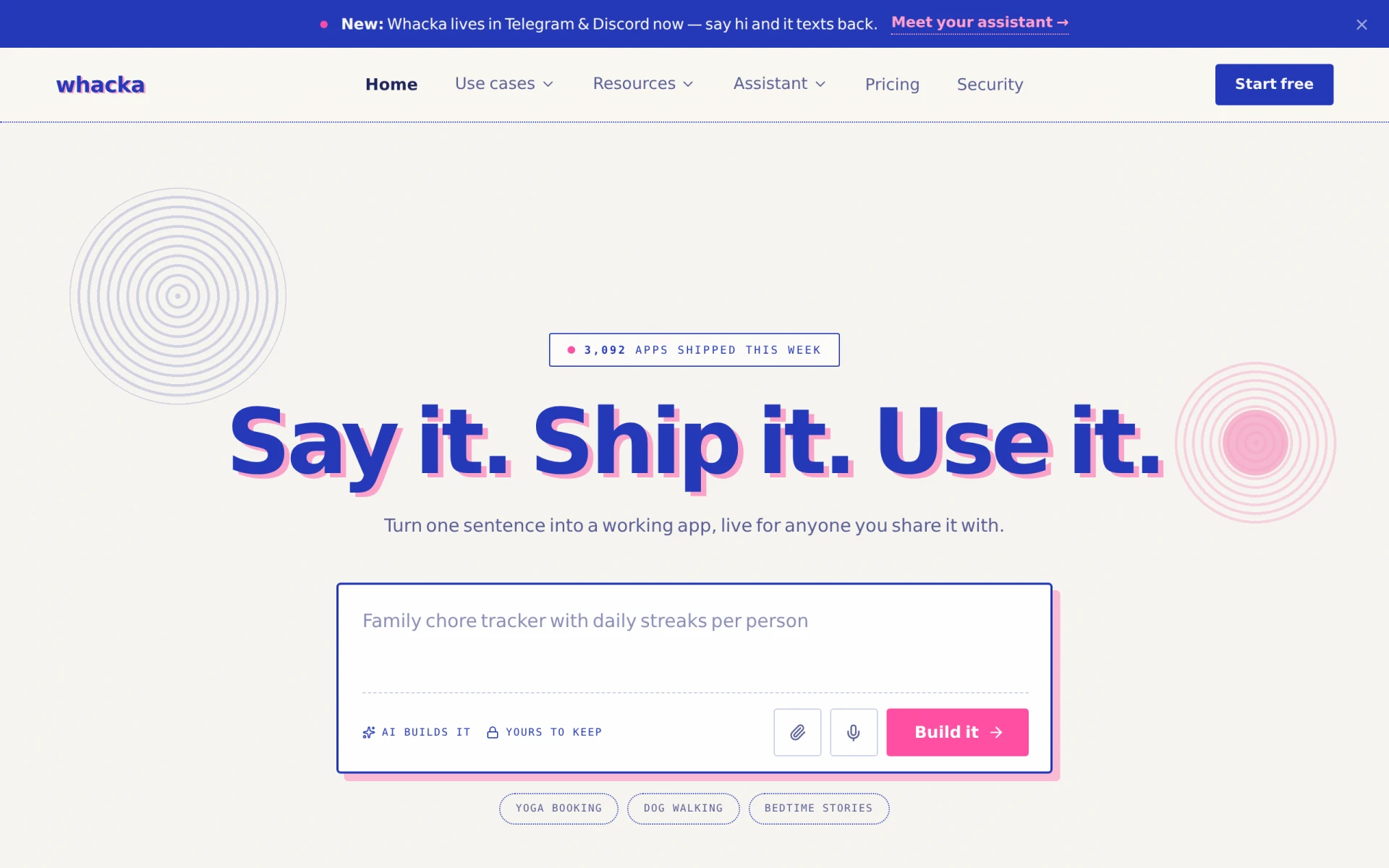 is a no-code app builder that allows users to create applications simply by describing them in plain language. This makes it an appealing alternative to Cleric for teams that may not have extensive coding expertise but want to develop functional applications quickly. Unlike Cleric, which is centered around incident management, Whacka empowers users to translate their ideas into applications without getting bogged down by technical details. This democratizes app development and allows non-technical team members to contribute effectively.
Whacka's conversational interface is particularly beneficial for teams looking to innovate without the steep learning curve associated with traditional coding. This means that marketing teams, product managers, or any stakeholders can easily collaborate in the app development process. By simplifying the app creation process, Whacka can help organizations reduce time to market and foster a culture of innovation, making it a strong alternative for those looking to create applications without the constraints of coding.
- Key Strength: Allows app creation through plain language descriptions
- Key Strength: No-code approach democratizes app development across teams
- Key Strength: Encourages collaboration between technical and non-technical members
- Limitation: May lack advanced features found in more technical development environments
Pricing: Free trial available with usage-based payment for paid plans. Best for: Teams wanting to quickly create apps without coding.
Momentic - Best for Automated Testing
Momentic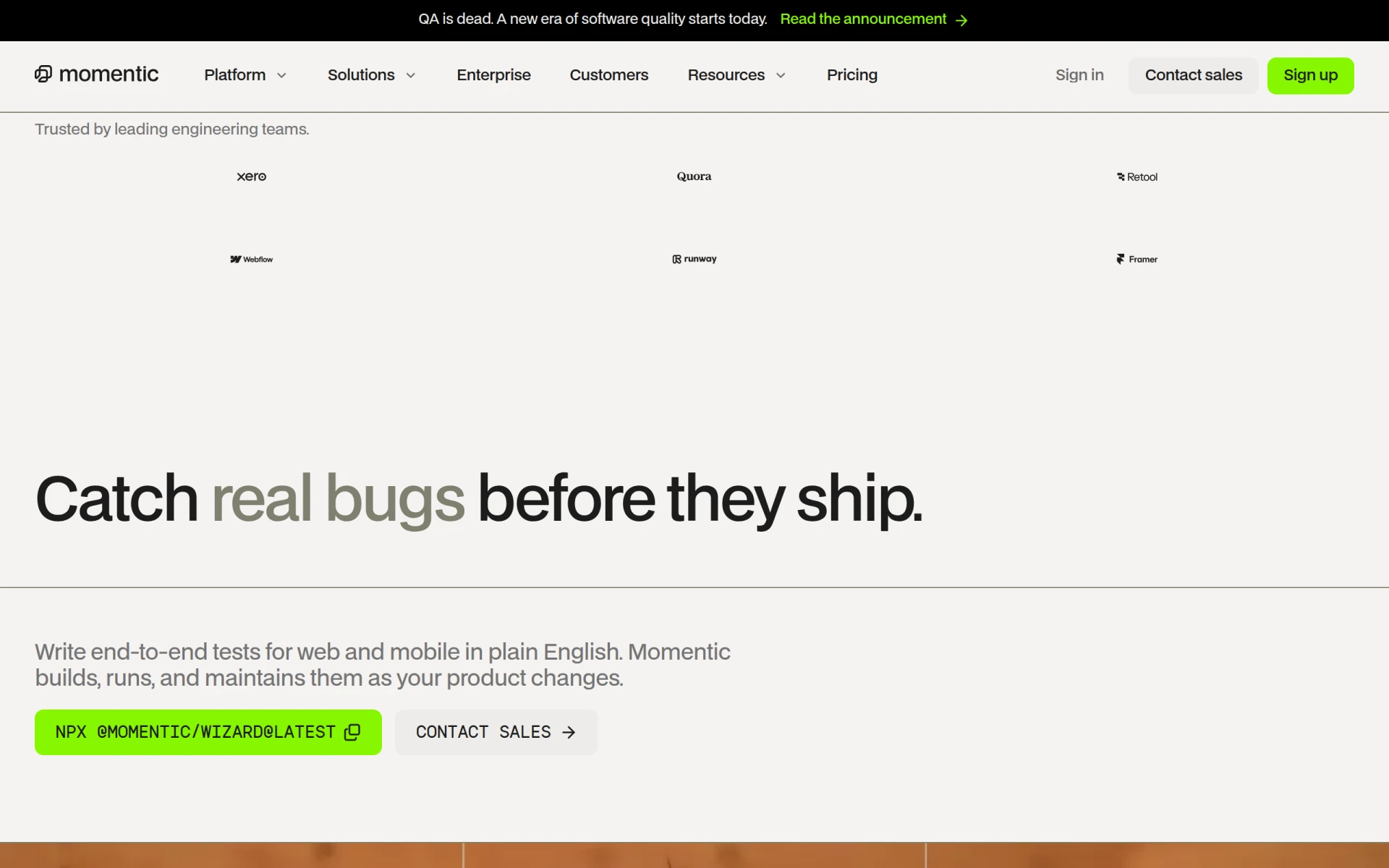 is an AI-driven end-to-end testing tool for web and mobile applications, aiming to simplify the testing process with plain English test writing. Unlike Cleric, which focuses primarily on incident resolution, Momentic emphasizes quality assurance by automating the testing process. This can be especially beneficial for development teams that need to ensure their applications function correctly before deployment. By utilizing natural language for test creation, Momentic lowers the barrier to entry for teams that may not have dedicated QA resources.
Momentic’s features allow teams to run tests quickly and efficiently, ensuring that bugs are identified and resolved before they reach end users. This proactive approach to testing can save organizations significant time and resources over the long term. Moreover, Momentic's pay-as-you-go pricing model allows teams to scale their testing capabilities as needed, making it a cost-effective solution for those prioritizing quality assurance alongside incident resolution.
- Key Strength: Simplifies test creation with natural language
- Key Strength: AI-driven automation enhances testing efficiency
- Key Strength: Proactive approach to quality assurance reduces post-deployment issues
- Limitation: Limited features for teams looking for comprehensive development tools
Pricing: Free plan available with a pay-as-you-go model starting at $125 per month. Best for: Teams focused on automating testing processes.
Brief - Best for Coding Team Collaboration
Brief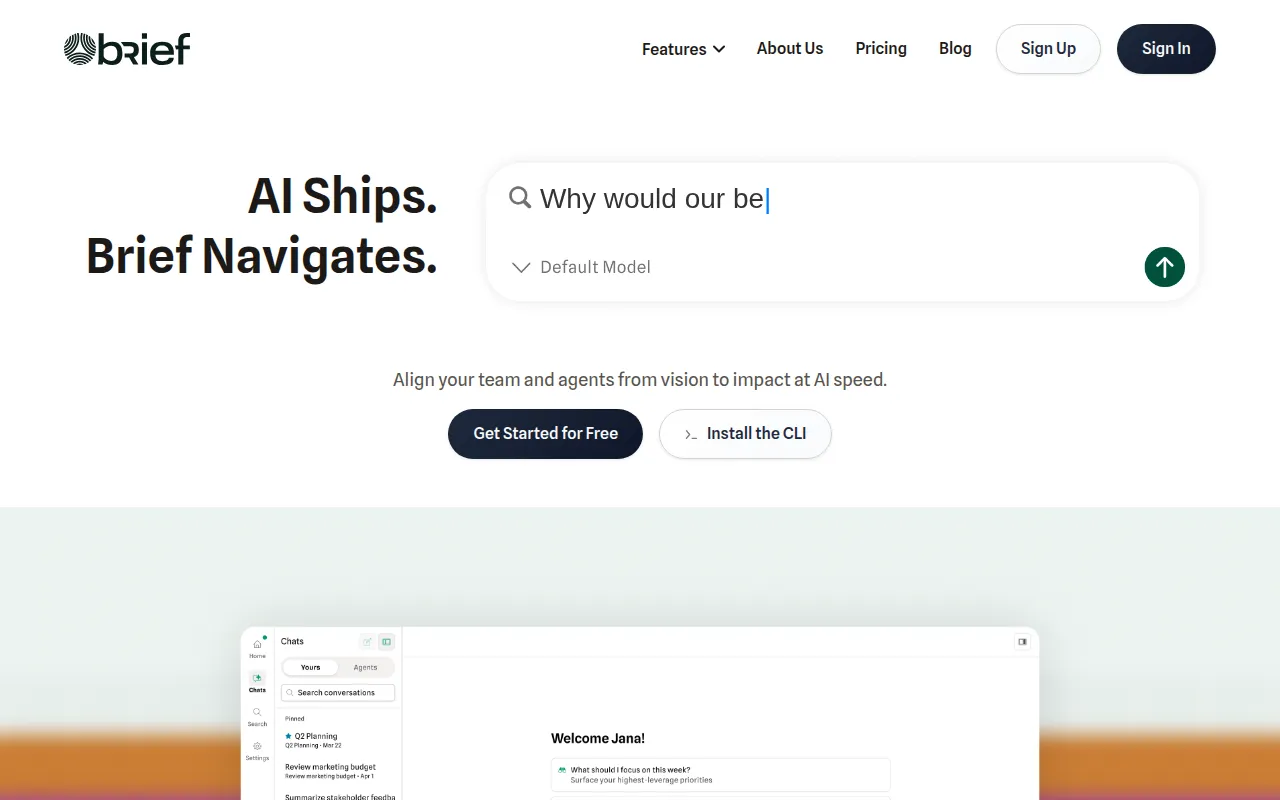 is an AI coding tool that aligns teams and coding agents, enhancing decision compliance and productivity. While Cleric focuses on incident resolution, Brief provides a collaborative environment for coding teams, making it easier to maintain alignment on projects and decisions. The tool is particularly beneficial for teams that work on complex projects where communication and compliance are crucial. By integrating AI into the coding process, Brief helps ensure that everyone is on the same page, reducing the risk of miscommunication and errors.
What makes Brief stand out is its focus on team dynamics and compliance. The tool helps coding teams establish best practices and adhere to them, which can lead to higher quality code and more efficient workflows. For organizations that prioritize teamwork and compliance in their development processes, Brief offers a compelling alternative to Cleric's incident management-focused approach.
- Key Strength: Enhances team collaboration and decision compliance
- Key Strength: AI-driven insights improve coding productivity
- Key Strength: Supports best practices in coding processes
- Limitation: Primarily focused on coding collaboration rather than incident management
Pricing: Free plan available with a Pro plan at $49 per seat per month when billed annually. Best for: Teams seeking to enhance coding collaboration and decision-making.
Pie - Best for Automated User Testing
Pie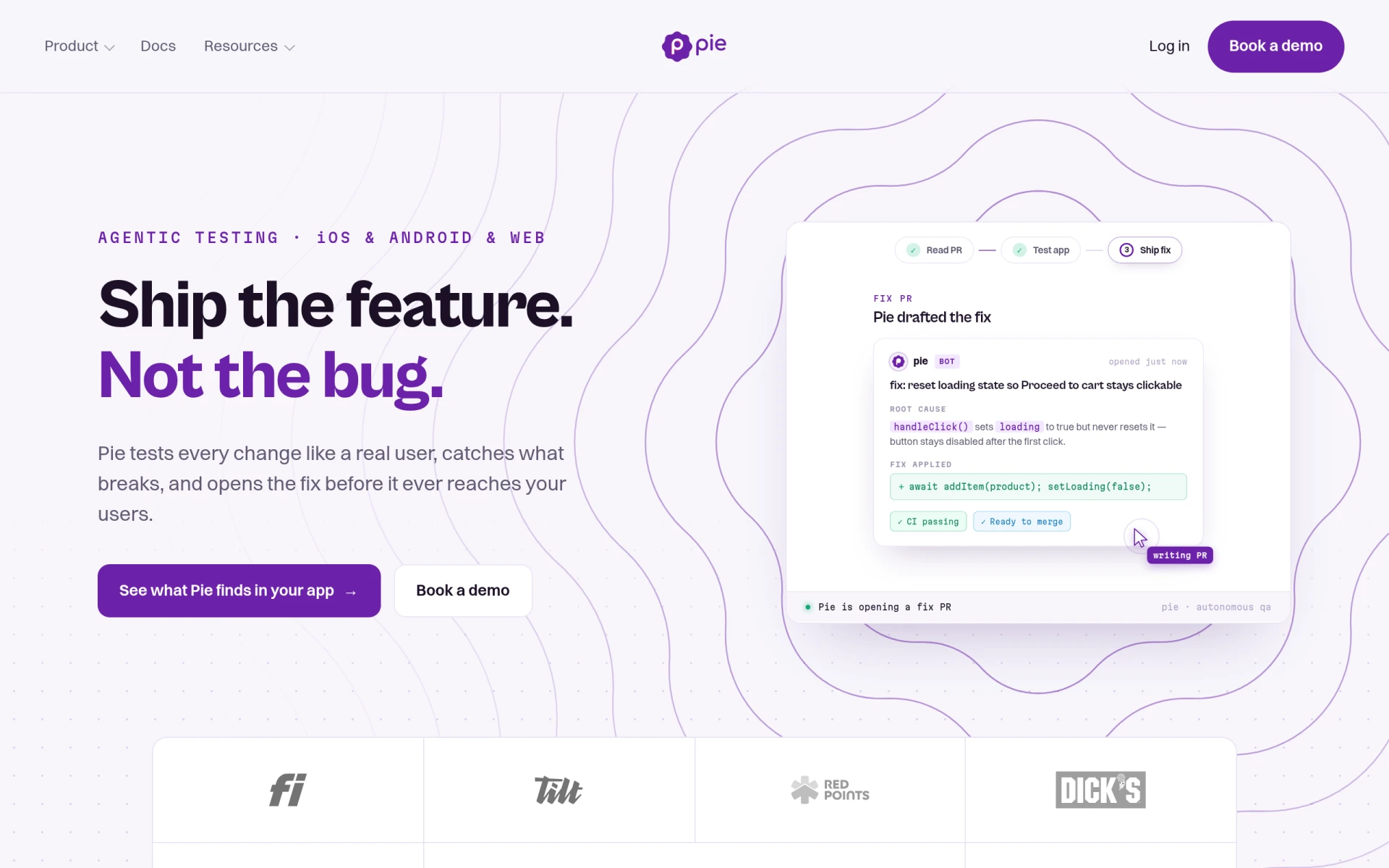 automates testing by simulating real user interactions to catch bugs before they reach end users. Unlike Cleric, which is focused on incident resolution, Pie's primary strength lies in its ability to mimic user behavior during testing, making it an essential tool for teams that prioritize user experience. By identifying potential issues through simulated interactions, Pie helps ensure that applications are not only functional but also user-friendly. This proactive approach to testing can significantly enhance the quality of the final product.
Furthermore, Pie's automation capabilities reduce the time and effort required for manual testing, freeing up resources for developers to focus on other critical tasks. This efficiency is particularly valuable for teams operating in fast-paced environments where time to market is crucial. While specific pricing details for Pie are not publicly disclosed, its focus on user testing makes it an excellent choice for organizations looking to improve the quality and usability of their applications.
- Key Strength: Automates user testing through real interaction simulations
- Key Strength: Enhances user experience by identifying potential issues early
- Key Strength: Reduces manual testing efforts, improving efficiency
- Limitation: Pricing details are not publicly available, which may deter some users
Pricing: Contact for details. Best for: Teams needing to improve user experience through automated testing.
Windsurf - Best for Integrated Coding Assistance
Windsurf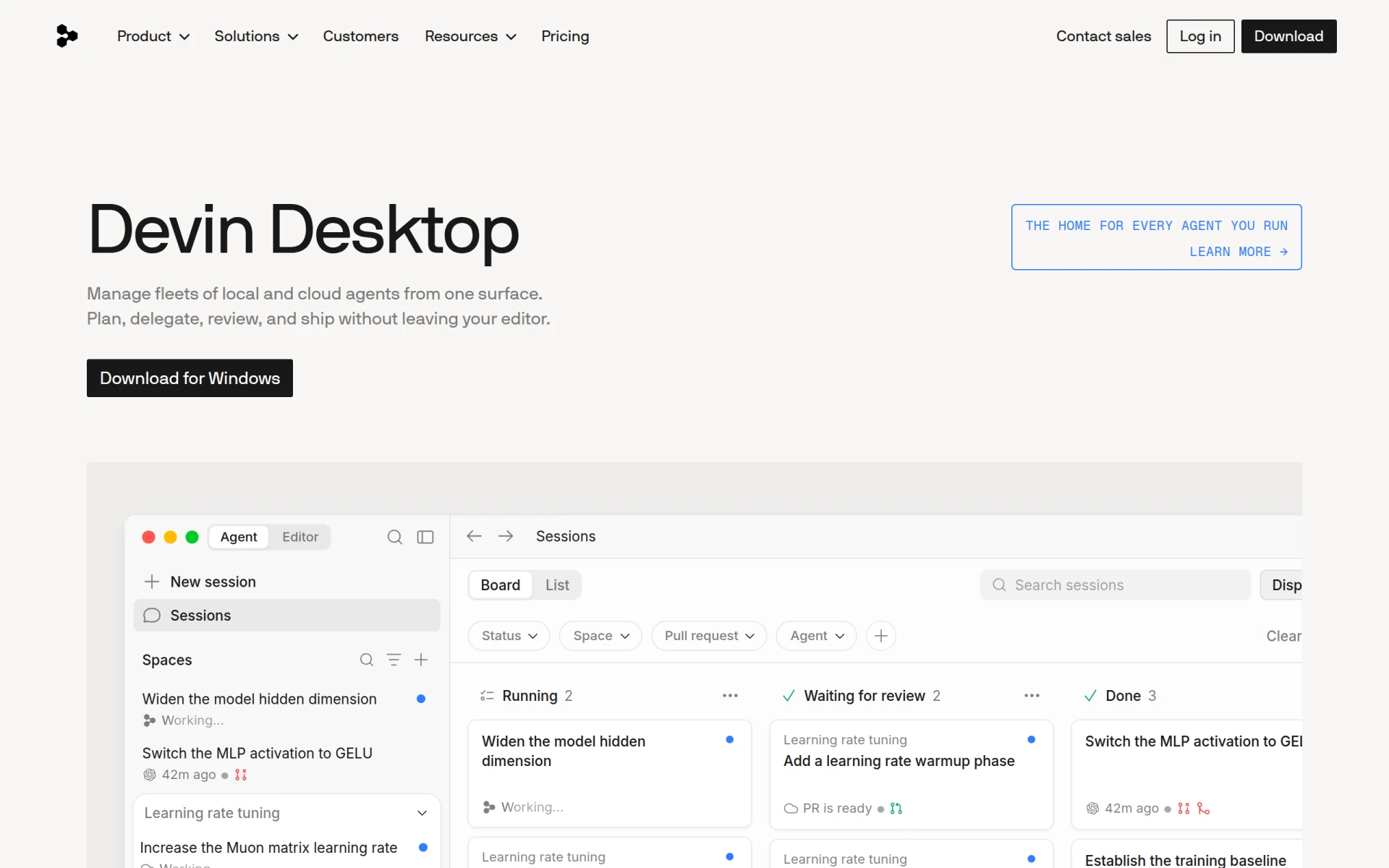 is an AI coding assistant that helps developers manage local and cloud agents seamlessly within their coding environment. While Cleric's main focus is on incident resolution, Windsurf enhances the coding experience by providing real-time assistance and integration with various development environments. This feature is especially beneficial for teams looking to improve their coding efficiency and streamline their workflows. Windsurf enables developers to focus on writing quality code without getting bogged down by technical issues.
The AI-driven functionalities of Windsurf help developers identify and resolve common coding challenges on the fly, reducing the time spent troubleshooting. This seamless integration can lead to more productive development sessions and ultimately better project outcomes. For teams that prioritize coding efficiency and ease of use, Windsurf presents a valuable alternative to Cleric’s incident-centric approach.
- Key Strength: Real-time coding assistance enhances developer productivity
- Key Strength: Seamless integration with local and cloud coding environments
- Key Strength: AI-driven features help resolve coding challenges quickly
- Limitation: Focus on coding assistance may not address broader incident management needs
Pricing: Freemium model with paid plans for enhanced features. Best for: Teams looking for integrated coding assistance and streamlined workflows.
Caffeine - Best for Conversational App Development
Caffeine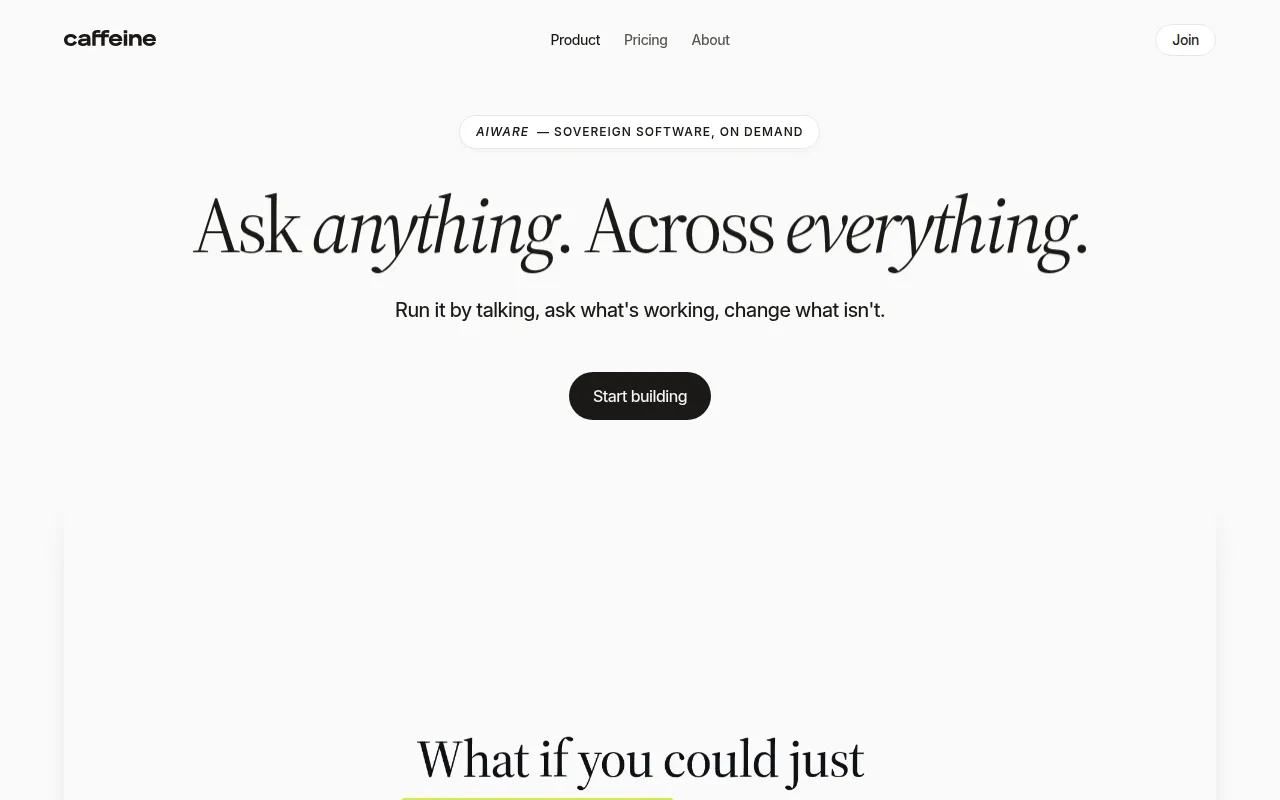 is an AI writing tool that enables developers to create applications and websites through a conversational interface. While Cleric focuses primarily on incident resolution, Caffeine offers a unique approach to app development by allowing users to communicate their requirements in natural language. This feature can drastically reduce the learning curve for new developers or non-technical stakeholders involved in the project. Caffeine's conversational interface enables teams to brainstorm and develop applications more collaboratively and intuitively.
By leveraging AI to interpret user requests and generate code, Caffeine provides an innovative solution for teams aiming to simplify the app development process. This can be particularly beneficial for organizations looking to empower all team members, regardless of technical expertise, to contribute to application development. However, as with other alternatives, Caffeine may not offer the same depth of incident management features as Cleric, making it more suitable for teams focused on development rather than incident resolution.
- Key Strength: Conversational interface simplifies app development
- Key Strength: Empowers non-technical stakeholders to participate in development
- Key Strength: AI-driven code generation enhances collaboration
- Limitation: Limited incident management capabilities compared to Cleric
Pricing: Pricing information is currently unavailable. Best for: Teams seeking a conversational approach to app development.
Reworkd - Best for Non-Coding Data Extraction
Reworkd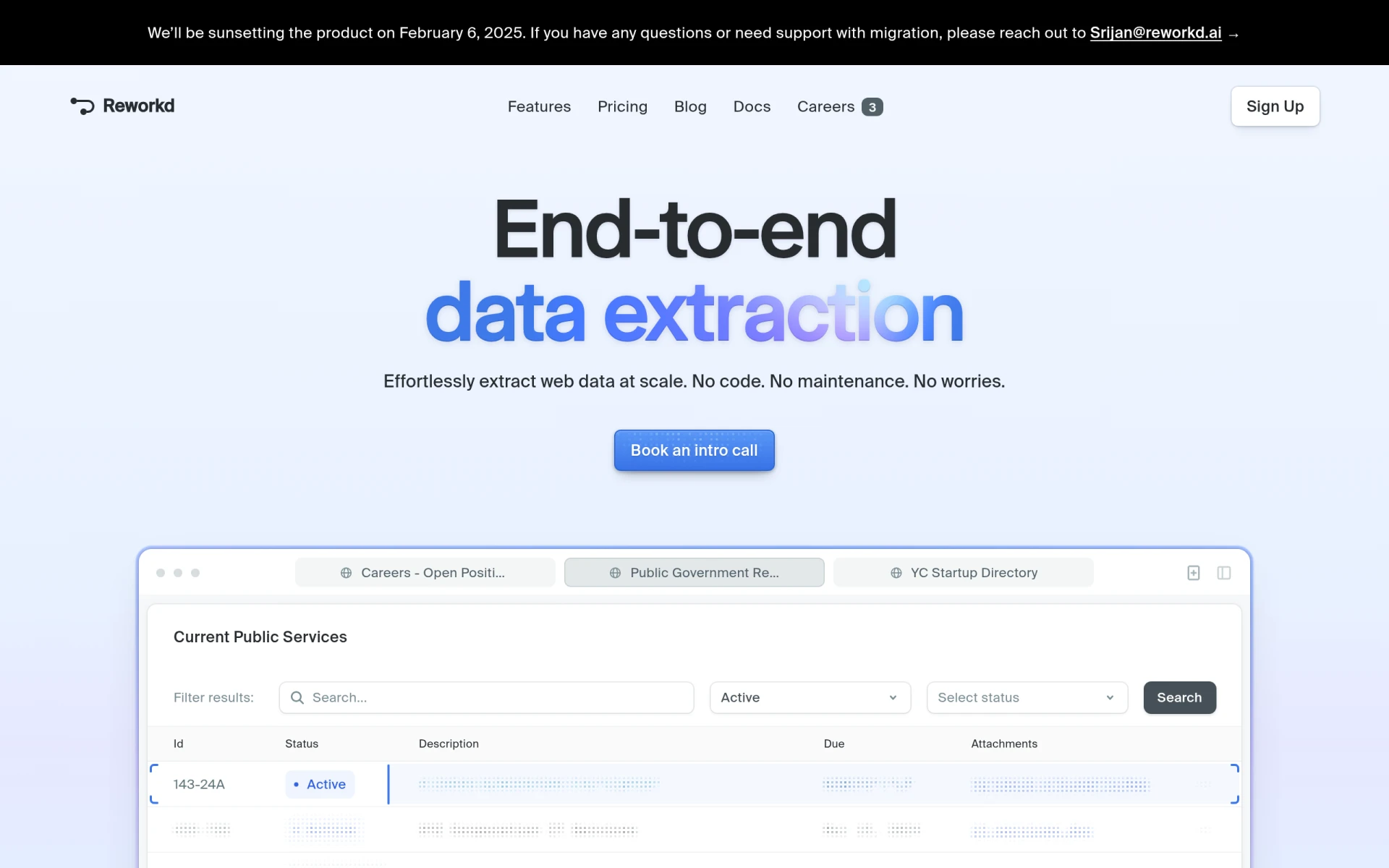 is an end-to-end web scraping tool designed for efficient data extraction without coding. Unlike Cleric, which focuses on incident management, Reworkd allows teams to gather data from various online sources effortlessly. This capability is particularly valuable for marketing teams, researchers, or data analysts who need to gather large amounts of information quickly and efficiently. By eliminating the need for coding skills, Reworkd makes data extraction accessible to a broader range of users.
With its freemium model, Reworkd enables users to start with a free hobby plan, making it a low-risk option for teams looking to explore web scraping capabilities. The Pro plan offers more features for those who require advanced functionalities, ensuring that organizations can scale their data extraction efforts as needed. For teams focused on data collection and analysis, Reworkd presents a strong alternative to Cleric's incident-driven focus.
- Key Strength: No coding required for efficient data extraction
- Key Strength: Freemium model allows for low-risk exploration of features
- Key Strength: End-to-end solution for web scraping needs
- Limitation: Focus on data extraction may not provide incident management functionalities
Pricing: Free hobby plan available with a Pro plan for $99 per month. Best for: Teams needing efficient data extraction without coding.
Blinq - Best for Automated Test Code Generation
Blinq is an AI-driven automated testing platform designed to generate and maintain test automation code autonomously. Compared to Cleric, which is primarily focused on incident resolution, Blinq is dedicated to enhancing the quality of applications through automated testing. This makes it a great fit for teams that prioritize testing and quality assurance as part of their development workflow. By automating the generation of test code, Blinq allows teams to reduce the manual effort required for testing, which can lead to faster release cycles and improved application quality.
While specific pricing information for Blinq is not publicly available, its focus on test automation sets it apart from Cleric's incident management focus. Teams looking to enhance their testing processes and ensure high-quality releases will find Blinq to be a valuable alternative, particularly in complex projects where testing can often be a bottleneck.
- Key Strength: Automates test code generation and maintenance
- Key Strength: Enhances the quality of applications through improved testing
- Key Strength: Reduces manual testing efforts, allowing for faster release cycles
- Limitation: Pricing details are not publicly available, which may be a barrier for some
Pricing: Contact for details. Best for: Teams focused on improving automated testing processes.
Guardrail Technologies - Best for Workflow Automation
Guardrail Technologies offers workflow automation tools designed to streamline development processes for teams. While Cleric is focused on incident resolution, Guardrail provides a comprehensive approach to automating various aspects of the development workflow. This can be particularly beneficial for organizations that want to enhance efficiency across their teams by reducing manual tasks and optimizing collaboration. By automating repetitive processes, Guardrail enables teams to focus on more strategic initiatives, ultimately leading to better productivity and innovation.
Though specific pricing details are not publicly available, the value of workflow automation cannot be understated, especially in larger organizations where inefficiencies can accumulate and lead to significant setbacks. For teams looking for a solution that improves overall workflow efficiency, Guardrail Technologies stands out as a solid alternative to Cleric's more focused incident management capabilities.
- Key Strength: Comprehensive workflow automation tools for development processes
- Key Strength: Reduces manual tasks, allowing teams to focus on strategic initiatives
- Key Strength: Enhances collaboration and efficiency across teams
- Limitation: Lack of publicly available pricing may deter potential users
Pricing: Contact for details. Best for: Organizations looking to enhance workflow efficiency through automation.
Ascend.io - Best for Data Engineering
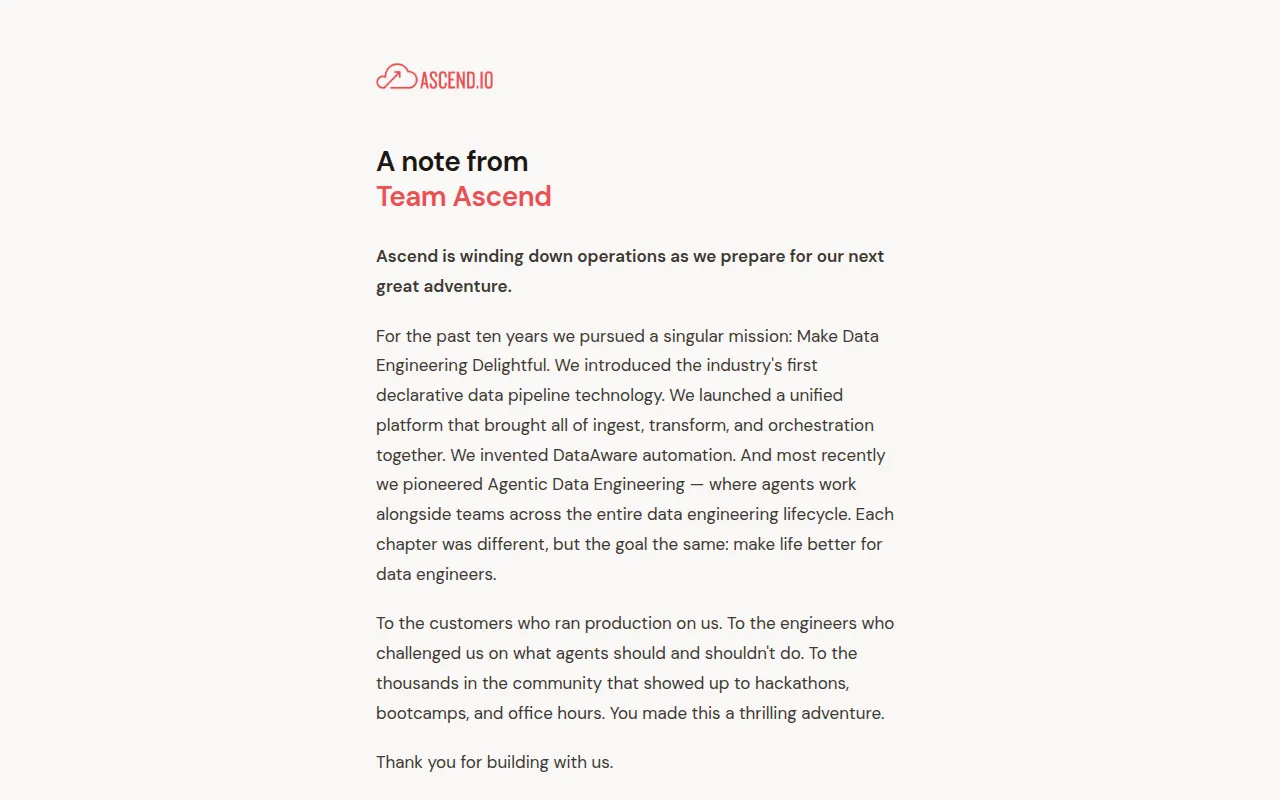
Ascend.io provides a unified platform for data engineering, focusing on streamlining data ingestion, transformation, and orchestration. Unlike Cleric, which is primarily an incident resolution tool, Ascend.io addresses the evolving needs of data engineering teams by providing a comprehensive solution for managing data pipelines and workflows. This makes it particularly valuable for organizations that rely heavily on data-driven decision-making and need to ensure their data processes are efficient and scalable.
However, it is important to note that Ascend.io is currently winding down operations, which may limit its appeal as an alternative to Cleric. For teams that require robust data engineering capabilities and are looking for a solution to manage their data workflows effectively, Ascend.io would have been an excellent choice, although its current status may lead organizations to prioritize other alternatives.
- Key Strength: Unified platform for data ingestion, transformation, and orchestration
- Key Strength: Tailored for data engineering teams with complex data needs
- Key Strength: Streamlines data workflows for better efficiency
- Limitation: Currently winding down operations, limiting future use
Pricing: Contact for details. Best for: Teams seeking robust data engineering solutions (noting current operational status).
Regression - Best for Unity Development
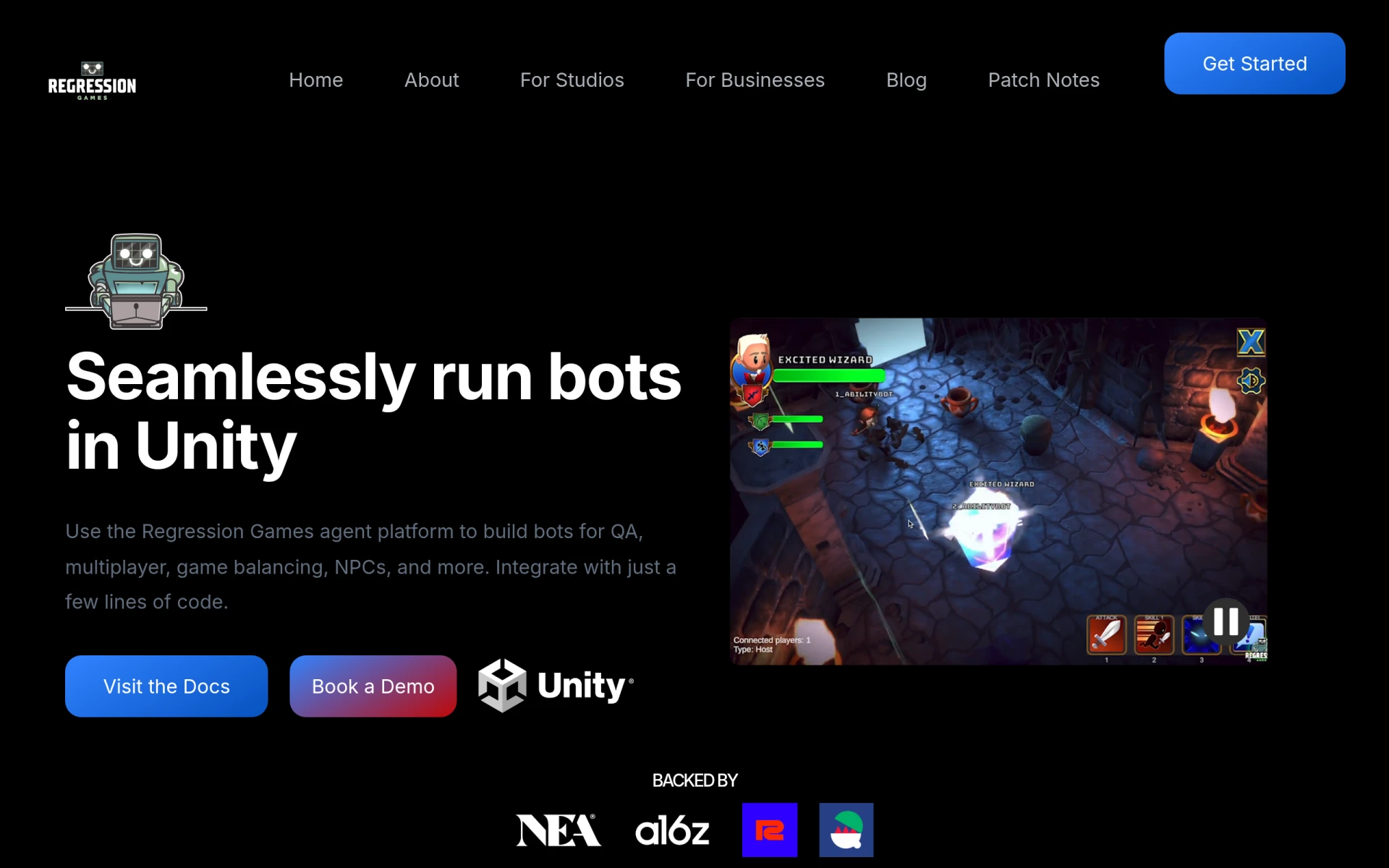
Regression is an AI agent development platform designed for Unity, enabling seamless integration and real-time bot development. Unlike Cleric, which focuses on incident resolution, Regression caters specifically to developers working within the Unity ecosystem. This makes it an ideal choice for teams developing gaming applications or interactive experiences, where real-time responsiveness and agent behavior are critical. By providing tools specifically tailored for Unity, Regression enhances the development process for teams creating sophisticated AI-driven applications.
However, detailed information regarding pricing is not publicly available, which may present a barrier for teams considering this tool. For organizations focused on developing Unity applications and seeking to incorporate AI agents into their projects, Regression offers a specialized alternative to Cleric's more general incident management capabilities.
- Key Strength: Tailored for Unity development with specialized tools
- Key Strength: Facilitates real-time bot development for interactive applications
- Key Strength: Enhances the development process for AI-driven applications
- Limitation: Pricing details are not publicly available, which may deter potential users
Pricing: Contact for details. Best for: Teams focused on Unity development and AI integration.
Feature Comparison Table
| Tool | Best For | Starting Price | Free Plan | Standout Feature |
|---|
| Cleric | Incident resolution | Pay-for-work-completed | No | AI-driven incident management |
| ezsite | Rapid application development | $10/mo | No | Full-stack app builder |
| Build AI | No-code AI applications | Free trial available | Yes | No-code platform |
| Shipixen | Landing page creation | $249 (1-year) / $379 (lifetime) | No | Next.js integration |
| Waydev | Developer productivity insights | Annual subscription | No | AI-driven productivity analytics |
| Whacka | No-code app creation | Free trial available | Yes | Plain language app building |
| Momentic | Automated testing | $125/mo (pay-as-you-go) | Yes | Natural language test creation |
| Brief | Coding team collaboration | $49/seat/mo (annual) | Yes | Alignment and compliance features |
| Pie | Automated user testing | Contact | No | User interaction simulation |
| Windsurf | Integrated coding assistance | Freemium | Yes | Real-time coding support |
| Caffeine | Conversational app development | Contact | No | Conversational interface |
| Reworkd | Data extraction | $99/mo (Pro) | Yes | No-code data scraping |
| Blinq | Automated test code generation | Contact | No | Test code generation |
| Guardrail Technologies | Workflow automation | Contact | No | Comprehensive automation tools |
| Ascend.io | Data engineering | Contact | No | Unified data platform |
| Regression | Unity development | Contact | No | AI agent development |
How to Choose the Right Alternative to Cleric
When considering an alternative to Cleric, it's essential to assess your team’s specific needs and workflows. If your organization is primarily focused on incident resolution within engineering teams, then tools like Waydev or Momentic may be more fitting, as they enhance productivity and quality assurance. Conversely, if your team is looking for rapid application development or no-code solutions, options like ezsite or Whacka could be more beneficial. For those who need a tool that prioritizes automated testing, Momentic or Blinq would be ideal choices as they streamline testing processes and ensure higher quality outputs.
Additionally, think about team expertise and the need for collaboration. For teams with varied levels of technical skills, platforms like Build AI and Caffeine offer accessible solutions that empower all members to contribute to development tasks. If your focus is on optimizing workflows and enhancing collaboration, tools like Brief and Guardrail Technologies could provide the structured support needed to achieve those goals. Ultimately, your choice should align with both immediate project requirements and long-term strategic objectives.
Final Verdict
In summary, while Cleric serves a specific need in incident resolution, there are numerous alternatives available that cater to broader development and operational requirements. For rapid application development, consider ezsite, while no-code solutions like Build AI and Whacka are ideal for teams looking to create applications without coding. For those prioritizing developer productivity, Waydev is the best option. Choose the tool that aligns best with your team's goals and workflows to enhance overall efficiency and success.