

AI/ML API vs Air
Discover the differences between AI/ML API and Air in 2026. Find out which tool suits your development needs best!
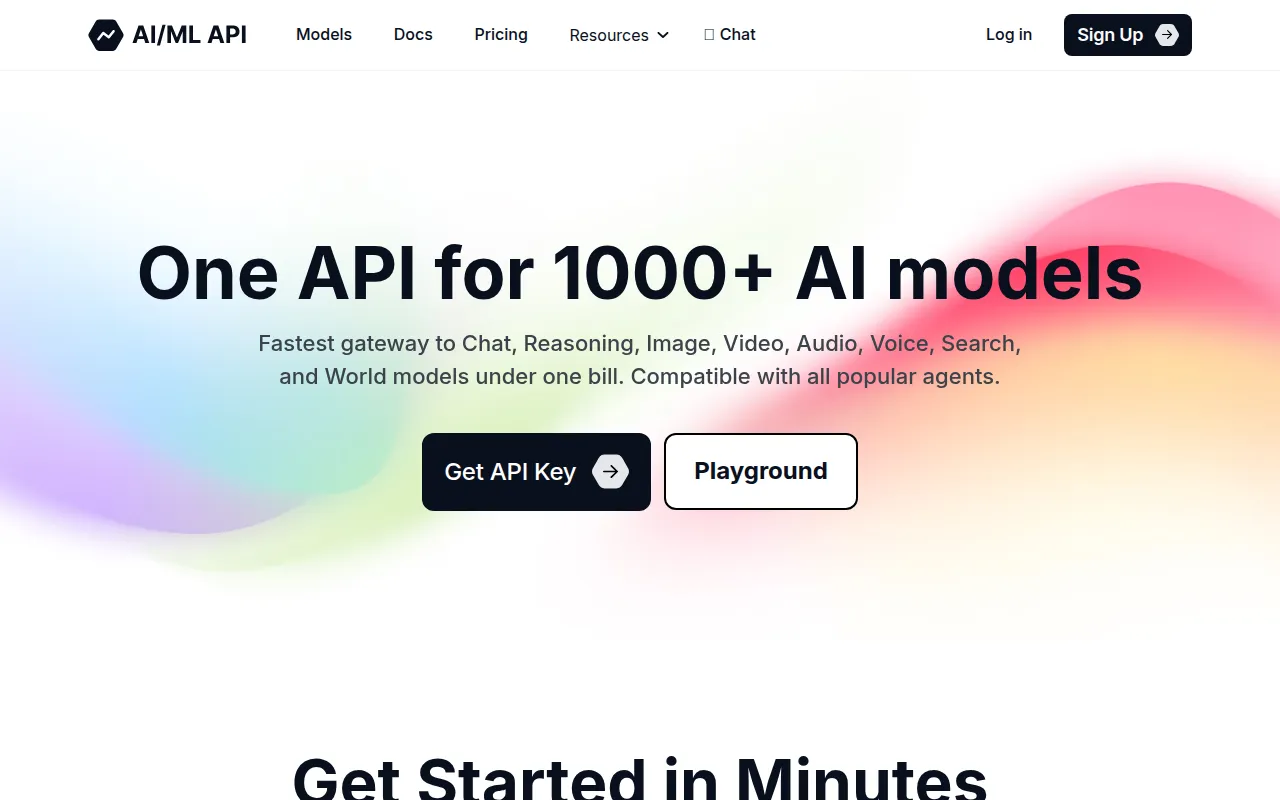

AI/ML API
AIML API provides access to over 500 AI models through a single API, designed for developers seeking versatile AI solutions.
View Profile →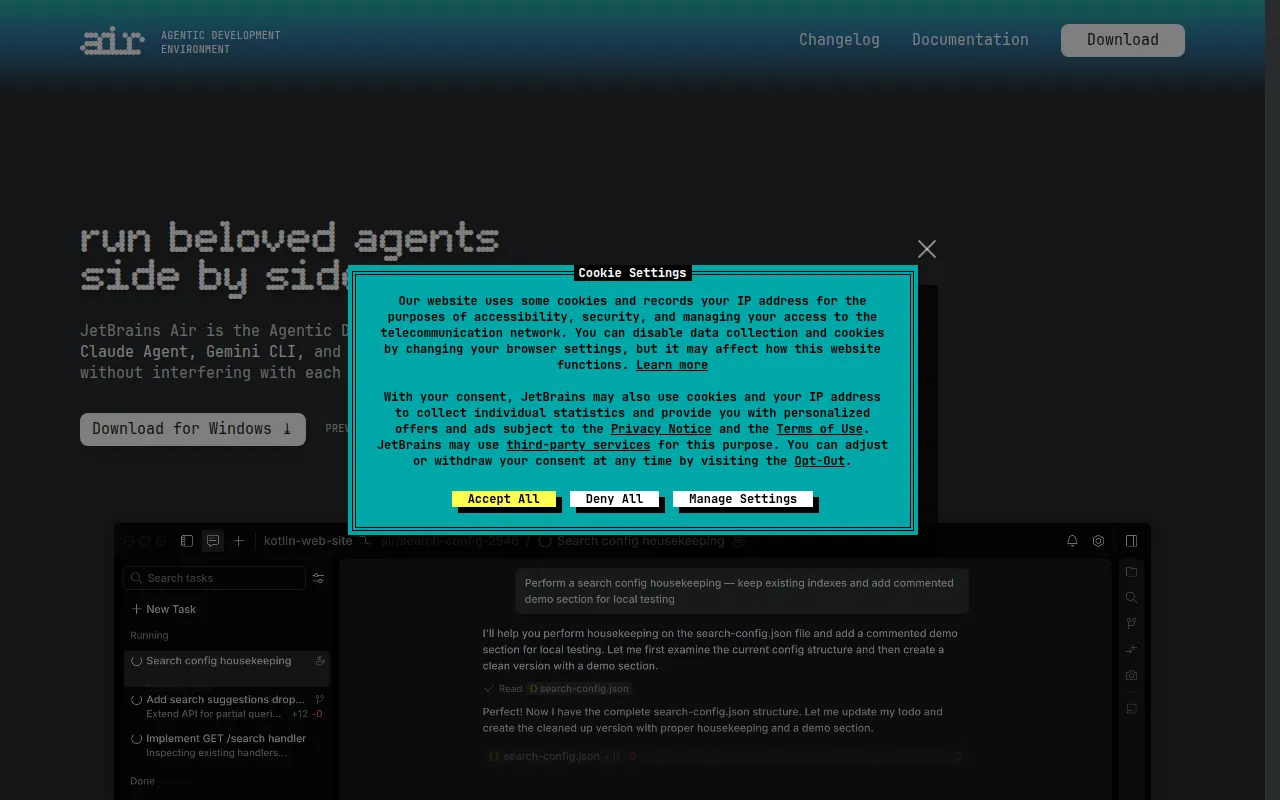

Air
Air is an Agentic Development Environment that allows developers to multitask with independent agents managing different tasks.
View Profile →Overview
This comparison between AI/ML API and Air is intended for developers who are looking to enhance their software projects with advanced AI capabilities. Both tools serve distinct purposes: AI/ML API provides a wide array of AI models for various applications, while Air focuses on facilitating multitasking through independent agents. Understanding the functionalities and strengths of each tool will help you make an informed decision based on your specific needs.
AI/ML API Overview
AI/ML API is a powerful tool that provides developers with access to over 500 AI models through a single application programming interface (API). Designed for developers seeking flexible and versatile AI solutions, this API enables seamless integration of various AI functionalities into applications. For example, a developer working on a chatbot can utilize AI/ML API to access natural language processing models, sentiment analysis, image recognition, and more—all from one interface. This capability allows for a rapid development cycle and the ability to pivot between different AI functionalities as project requirements evolve.
The core use case of AI/ML API lies in its ability to cater to diverse industries and application types. Developers can use it for everything from automating data entry to enhancing user experience with recommendation systems. Its notable strengths include a user-friendly interface, extensive documentation, and a pay-as-you-go pricing model that offers flexibility for startups and large enterprises alike. The API provides a reliable way for developers to implement complex AI features without the need for deep expertise in machine learning, making it a viable choice for teams looking to innovate quickly.
Air Overview
Air is an innovative Agentic Development Environment that allows developers to manage multiple tasks simultaneously through independent agents. Each agent can handle a different aspect of a project, enabling developers to work more efficiently without getting bogged down in context switching. For instance, a developer might use one agent for data processing, another for user interface design, and a third for backend integration. This unique approach to multitasking can significantly enhance productivity, especially for teams working on complex projects that require diverse skill sets to be applied concurrently.
The core use case for Air is in environments where coordination among different project components is crucial. By leveraging independent agents, developers can delegate tasks and monitor progress in real-time, which is particularly beneficial in agile development settings. Air’s strengths lie in its ability to facilitate collaboration among team members, streamline workflows, and reduce the cognitive load on developers. Although pricing information for Air is currently unavailable, its freemium model indicates that it is designed to accommodate a range of users, from solo developers to larger teams.
Feature Comparison
| Feature | AI/ML API | Air |
|---|---|---|
| Number of Models | Over 500 AI models | N/A |
| Multitasking Capability | No | Yes, independent agents |
| Integration Ease | High, single API for multiple models | Moderate, requires setup of agents |
| User Interface | User-friendly API documentation | Intuitive agent management interface |
| Real-time Collaboration | No | Yes, agents can collaborate |
| Use Cases | Wide-ranging AI applications | Focused on project management and task handling |
| Customization | Limited to API parameters | High, customizable agents |
| Support and Community | Strong support, extensive community | Emerging community, support details unclear |
| Freemium Model | Available, pay-as-you-go | Available, specific pricing not disclosed |
| Scalability | Highly scalable with model variety | Scalable based on agent management |
Pricing Comparison
Both AI/ML API and Air utilize a freemium pricing model, but their approaches to pricing differ significantly. AI/ML API operates on a pay-as-you-go basis, allowing users to pay only for the models they utilize. This flexibility makes it an attractive option for developers who may not require the full suite of models at all times. For example, a startup could use only a few models initially and scale up as their needs grow, which is essential for managing budgets effectively in the early stages of development.
In contrast, Air's pricing information remains undisclosed, which raises questions about its long-term affordability and value proposition. While its freemium model suggests that basic functionalities may be available at no cost, the lack of transparency makes it difficult for potential users to assess the financial commitment required to access premium features or capabilities. This uncertainty could be a deciding factor for developers looking for clear, predictable pricing structures in their tools.
Pros and Cons
AI/ML API Pros and Cons
- Pro: Access to a vast library of over 500 AI models, catering to diverse applications.
- Pro: Flexible pay-as-you-go pricing model, allowing for cost-effective scaling.
- Pro: Easy integration through a single API, simplifying development processes.
- Con: Limited customization options beyond API parameters.
- Con: Might require some initial learning curve for developers unfamiliar with AI functionalities.
Air Pros and Cons
- Pro: Unique multitasking capability through independent agents, enhancing productivity.
- Pro: Intuitive interface for managing tasks and agents, which can streamline workflows.
- Pro: Potential for real-time collaboration among team members through agents.
- Con: Lack of clear pricing information may deter potential users.
- Con: Emerging community and support resources may not be as robust as other established tools.
Which Should You Choose?
If you are a solo developer or a small startup focused on integrating advanced AI capabilities into your applications, AI/ML API is the tool for you. Its vast library of AI models and flexible pricing structure make it easy to adopt and scale as your project grows. For example, a developer creating a machine learning-based recommendation engine could leverage the API's multiple models without incurring significant upfront costs.
On the other hand, if you are part of a larger team or organization that requires efficient task management and collaboration, Air might be the better choice. Its unique functionality of multitasking through independent agents can help streamline workflows and improve team productivity. For instance, if your team is developing a complex application with multiple components, Air's ability to allow agents to work on different tasks can significantly reduce development time and enhance coordination.
Finally, if you are unsure about committing to a tool due to budget constraints or project scope, consider starting with AI/ML API. Its freemium model allows you to experiment with various models without financial risk. Conversely, if you are excited about the potential for real-time collaboration and agent-based management, keep an eye on Air for any updates regarding pricing and features, as it could evolve into a valuable asset for future projects.
Conclusion
In conclusion, both AI/ML API and Air offer valuable functionalities for developers, but their strengths cater to different needs. AI/ML API excels in providing a robust library of AI models for integration into applications, while Air facilitates multitasking and collaboration among teams. Depending on your specific requirements and team structure, you can make an informed decision that aligns with your project goals.
Frequently Asked Questions
The better tool depends on your project needs. AI/ML API excels in providing a diverse range of AI models for various applications, while Air is ideal for multitasking through independent agents. Evaluate your specific requirements to determine which aligns best.
AI/ML API typically charges based on the number of API calls or usage tiers, while Air may have subscription-based pricing for its multitasking features. It's important to review the pricing structures of both tools to find the most cost-effective solution for your needs.
AI/ML API is well-suited for applications involving image recognition, natural language processing, and predictive analytics. In contrast, Air is perfect for projects requiring automation of tasks, such as scheduling and data management across multiple agents.
When migrating, assess the compatibility of your existing systems with the new tool's architecture. Consider potential changes in workflows and how each tool's unique features can be utilized to enhance your project's functionality.
AI/ML API usually offers a limited number of API calls for free, allowing developers to experiment with various models. Air may provide a free tier that allows access to basic multitasking features. Compare these offerings to see which provides the best entry point for your project.
If you're unsure, consider conducting a pilot project using both tools to evaluate their performance against your requirements. This hands-on experience can provide valuable insights into which solution better fits your development goals.